Introduction
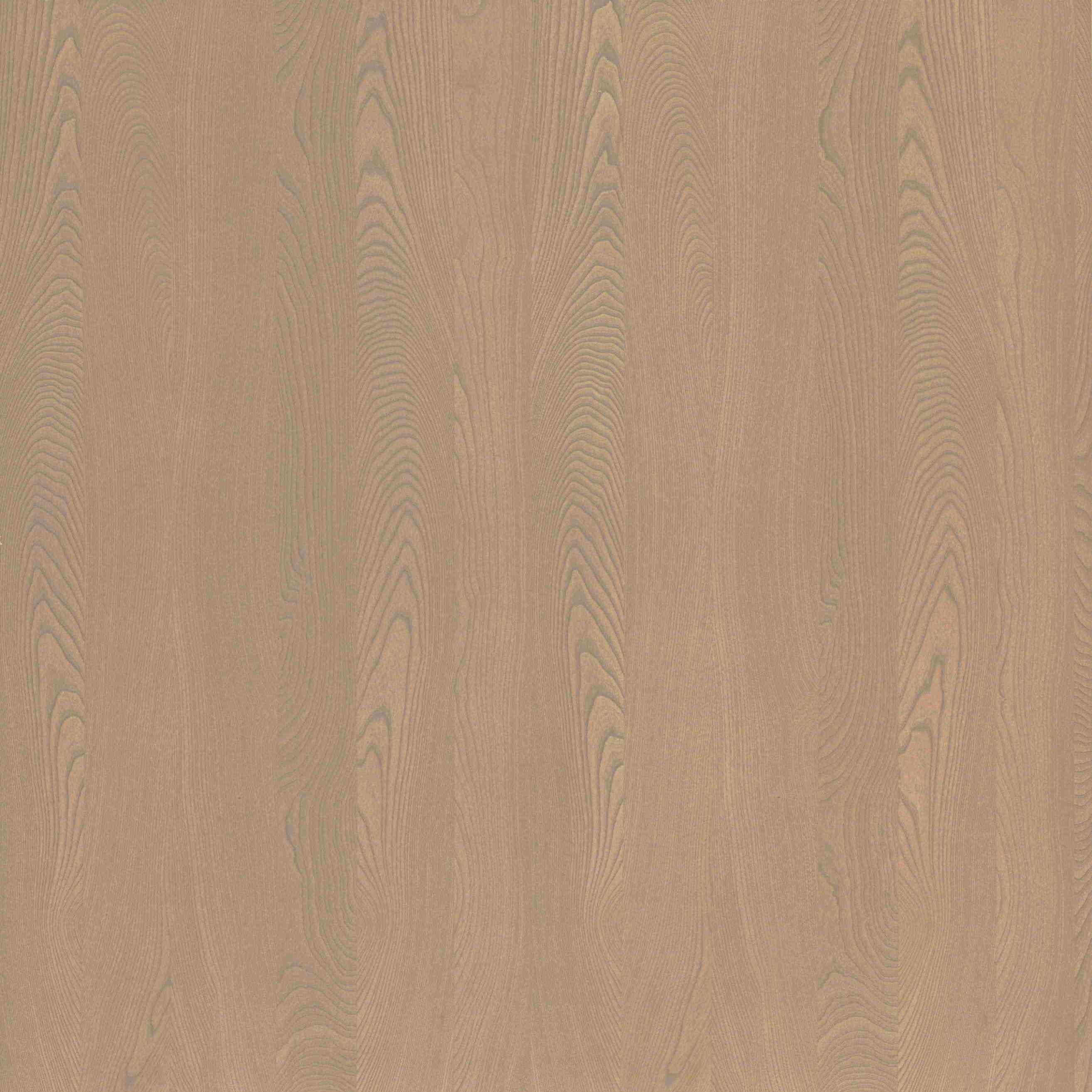
The surface veneer gives Wood Veneer Panels their natural wood grain, color and decorative appearance, but the substrate underneath determines much of the panel’s stability, strength, weight, processing performance and application suitability.
This means the best wood veneer panel substrate is not always the same for every project. A cabinet door, a wardrobe panel, a hotel wall panel, a retail fixture and a structural furniture component may all require different core materials.
Common substrates for Wood Veneer Panels include MDF, plywood, particleboard, chipboard, OSB and specialty boards. Each substrate has different advantages in surface smoothness, strength, weight, cost, screw-holding ability, moisture resistance and processing performance.
GC Panels’ Wood Veneer Panels combine natural veneer surfaces with different substrate options to support furniture, cabinetry, wall cladding and commercial interior projects.
This article explains how different substrates work with wood veneer panels and how to choose the right core material for your project.
Key Takeaway
The best substrate for Wood Veneer Panels depends on the application, surface quality requirement, strength demand, processing method, moisture exposure, budget and environmental standard.
Key points include:
MDF substrate is suitable for smooth surfaces, furniture, cabinet doors and decorative wall panels.
Plywood substrate is a strong option for furniture, cabinetry and commercial interiors where structural stability matters.
Particleboard or chipboard substrate can be suitable for cost-sensitive furniture and cabinet projects.
OSB substrate may work for special interiors or applications requiring engineered structural character.
Specialty substrates may be needed for fire resistance, moisture resistance or project-specific performance.
The surface veneer provides the natural wood appearance, but the substrate controls much of the panel’s practical performance.
Thickness, finish, bonding, edge treatment and environmental grade should be selected together with the substrate.
There is no single “best” substrate for all wood veneer panels; the right choice depends on the project.
In short, substrate selection should be based on where the panel will be used, how it will be processed and what performance the finished surface must deliver.
Why Substrate Matters in Wood Veneer Panels
A wood veneer panel is more than a decorative wood surface. It is a layered material system. The veneer, substrate, adhesive and surface finish must work together to create a stable and usable panel.
The substrate affects:
Panel flatness
Structural stability
Screw-holding ability
Cutting and machining performance
Weight
Cost
Edge treatment quality
Moisture response
Installation method
Long-term durability
Environmental performance
For example, a smooth furniture door may need a stable and flat MDF substrate. A cabinet or commercial fixture that needs better strength may require plywood. A cost-sensitive large-scale furniture order may use particleboard or chipboard. A project with fire or moisture requirements may need a specialty substrate.
This is why substrate choice should be discussed early in the project, not after the veneer species and surface finish have already been selected.
Panel Structure: Veneer, Substrate and Finish
Panel Layer | Main Function |
|---|---|
Natural wood veneer | Provides grain, color, texture and decorative appearance |
Substrate / core board | Provides strength, stability, weight and processing performance |
Adhesive and bonding layer | Connects veneer and substrate securely |
Surface finish | Improves touch, scratch resistance, cleaning and durability |
Edge treatment | Protects the core and improves final appearance |
A well-made wood veneer panel should balance all these layers. A premium veneer surface may still perform poorly if the substrate is not suitable for the application.
How to Choose the Right Substrate
Application → Performance Requirement → Substrate Choice → Thickness → Surface Finish → Environmental Standard → Final Wood Veneer PanelThis horizontal process shows that substrate selection should begin with the application. A wall panel, cabinet door, furniture panel and hotel interior panel may require different strength, finish, thickness and environmental performance.
Common Substrates for Wood Veneer Panels
MDF Substrate
MDF is one of the most common substrates for Wood Veneer Panels. It has a smooth, dense and uniform surface, making it suitable for veneer pressing, painting, finishing, cutting and edge processing.
MDF substrate is often used for:
Cabinet doors
Wardrobe doors
Furniture panels
Decorative wall panels
Interior doors
Shelving
Built-in joinery
Smooth decorative surfaces
Veneered MDF panels are especially useful when the project requires a refined and flat surface. MDF also allows clean machining, which is helpful for furniture and interior panel production.
However, standard MDF is not ideal for high-moisture areas unless moisture-resistant grades or suitable surface treatments are used. Edge sealing is also important for long-term performance.
Plywood Substrate
Plywood is made from multiple wood layers bonded together. Its cross-laminated structure gives it better strength and dimensional stability than many standard panel cores.
Plywood substrate is often suitable for:
High-strength furniture
Cabinets
Shelving
Commercial fixtures
Hotel interiors
Retail display structures
Wall panels requiring stronger support
Project-based interior components
Veneered plywood panels are a good option when the project needs both natural veneer appearance and better structural performance. Plywood may be more suitable than MDF in applications where strength, screw-holding ability or bending resistance matters.
The cost of plywood may be higher than some particleboard or MDF options, but it can be a better choice for demanding furniture and commercial projects.
Particleboard or Chipboard Substrate
Particleboard and chipboard are cost-effective engineered wood substrates. They are widely used in furniture, cabinets and interior panel applications where cost control and large-scale production matter.
Particleboard or chipboard substrate may be suitable for:
Wardrobes
Cabinet carcasses
Furniture panels
Large-scale residential projects
Cost-sensitive commercial interiors
Decorative panels with proper edge sealing
This substrate direction can be practical when the project needs a decorative veneer surface but does not require high structural load-bearing performance.
For particleboard and chipboard panels, edge sealing and moisture control are important. Exposed edges may absorb moisture more easily if not properly treated.
OSB Substrate
OSB is an engineered wood panel made from oriented wood strands. It has a stronger structural character and a more visible engineered texture than MDF or particleboard.
OSB substrate may be considered for:
Special decorative interiors
Industrial-style designs
Structural panel applications
Custom interior projects
Applications where strength and engineered appearance matter
However, OSB may not be the first choice for every high-end decorative veneer surface because its surface structure and flatness may require careful processing. The final choice depends on the surface requirement, veneer type, finish and application.
HPL or Specialty Substrates
Some projects require more than standard MDF, plywood or particleboard. Specialty substrates may be selected when the project needs fire resistance, moisture resistance, improved durability or specific technical performance.
Specialty substrate options may include:
Fire-resistant boards
Moisture-resistant boards
HPL-related panel solutions
MgSO-type fire-resistant panels
Project-specific engineered cores
Low-emission boards for strict indoor standards
These substrates are often considered for hotels, healthcare spaces, schools, commercial interiors, public buildings or projects with special safety requirements.
For projects that require specific substrate, surface finish, pattern or size requirements, GC Panels can support custom wood veneer panel solutions based on the application and performance target.
MDF vs Plywood vs Particleboard vs OSB
Substrate | Main Strength | Best For | Notes |
|---|---|---|---|
MDF | Smooth surface and good processing | Furniture, cabinets, wall panels | Avoid untreated use in high-moisture areas |
Plywood | Better strength and structural stability | Cabinets, furniture, commercial interiors | Often suitable when strength matters |
Particleboard / Chipboard | Cost-effective and widely used | Large-scale furniture and cabinets | Edge sealing and moisture control matter |
OSB | Stronger structural feel and engineered texture | Special interiors or structural applications | Surface requirements must be checked |
Specialty board | Fire, moisture or project-specific performance | Hotels, healthcare, commercial projects | Select according to technical requirements |
This comparison shows that the best substrate depends on the panel’s final purpose. A smooth wardrobe door, a commercial fixture and a fire-rated wall panel may need different core materials.
Which Substrate Works Best for Different Applications?

Furniture Manufacturing
For wood veneer panels for furniture, MDF and plywood are common choices. MDF works well for smooth furniture surfaces, cabinet fronts, shelves and decorative units. Plywood is more suitable when the furniture requires higher strength or better screw-holding performance.
Kitchen Cabinets and Wardrobes
Wood veneer panels for cabinets often use MDF, plywood or particleboard depending on the cabinet structure and budget. MDF is suitable for smooth door panels. Plywood can support stronger construction. Particleboard or chipboard may be used for cost-sensitive cabinet systems when properly sealed and finished.
Wall Cladding and Decorative Panels
Wood veneer wall panels often use MDF or plywood substrate because flatness and surface consistency are important. For commercial wall cladding, fire-resistant or specialty substrates may be required depending on project regulations.
To compare how different panels are used in real environments, the wood veneer panel applications page covers wardrobes, kitchen cabinets, wall cladding, offices, showrooms, retail stores, hotels and healthcare spaces.
Commercial Interior Projects
Commercial interiors such as offices, retail stores and showrooms often require stable appearance, consistent surface finish and reliable installation. MDF, plywood and specialty substrates can all be considered depending on the application.
For example, retail fixtures may need better strength, while wall panels may need surface consistency and fire performance.
Hospitality and Hotel Interiors
Hotels require consistent surface quality across many rooms and public areas. Plywood, MDF and specialty boards may be used depending on the area. Guest room furniture, wardrobe panels, wall panels and reception counters may each require different substrates.
The wood veneer panel projects page helps show how decorative panel solutions can be applied in residential, commercial and hospitality interiors.
Cost-Sensitive Large-Scale Projects
For large furniture orders or cost-sensitive residential projects, particleboard or chipboard may be practical. These substrates help control cost while still allowing a decorative veneer surface.
However, buyers should confirm edge sealing, moisture exposure, thickness and finish before selection.
High-Stability or Structural Applications
For higher-strength furniture, commercial fixtures or applications that need better structural support, plywood may be a stronger direction. If the project also has special safety or environmental requirements, specialty substrates should be considered.
Application-Based Substrate Selection
Application | Recommended Substrate Direction |
|---|---|
Cabinet doors | MDF or plywood |
Wardrobes | MDF, plywood or particleboard |
Wall cladding | MDF, plywood or fire-resistant substrate |
Hotel interiors | Plywood, MDF or specialty board |
Retail fixtures | MDF or plywood |
Large-scale cost-sensitive furniture | Particleboard / chipboard |
High-strength furniture | Plywood |
Moisture-sensitive areas | Moisture-resistant substrate or treated board |
Fire-rated projects | Fire-resistant or MgSO-type substrate |
Custom decorative panels | Select substrate based on design and performance target |
How Thickness Affects Substrate Selection
Thickness is closely related to substrate choice. A thin decorative panel and a thick structural furniture panel do not perform the same way.
When selecting thickness, consider:
Panel size
Installation method
Load-bearing requirement
Edge treatment
Door or cabinet hardware
Wall fixing method
Transportation and handling
Weight control
Processing method
Final visual effect
For example, a wall cladding panel may need a different thickness from a wardrobe door. A retail display counter may need stronger material than a decorative background panel.
Substrate and thickness should always be reviewed together.
How Surface Finish and Substrate Work Together
The surface finish affects the final use of Wood Veneer Panels. A good substrate supports surface flatness, while a good finish protects the veneer and improves user experience.
Surface finish may affect:
Scratch resistance
Wear resistance
Anti-fingerprint performance
Touch feeling
Gloss level
Anti-yellowing performance
Cleaning and maintenance
Moisture protection
Commercial durability
Prefinished wood veneer panels can help reduce on-site finishing work and improve project consistency. This is useful for hotels, offices, retail stores and furniture production where a stable final appearance matters.
Environmental Standards and Substrate Selection
Interior projects may require specific environmental performance. This is especially important for residential interiors, schools, healthcare spaces, children’s rooms, hotels and offices.
When selecting a substrate, buyers should check:
Formaldehyde emission level
E0, ENF or F4 star requirement
Project certification requirement
Indoor air quality expectation
Local market standard
Client or contractor specification
Adhesive and surface finish compatibility
Environmental requirements should be confirmed before production, especially for large project orders.
Wood Veneer Panel Substrate Selection Checklist
Factor | What to Check |
|---|---|
Application | Furniture, cabinet, wall, ceiling, door or commercial project |
Load requirement | Decorative use or structural support |
Surface quality | Smoothness required for veneer and finish |
Processing | Cutting, drilling, edge banding and machining |
Moisture exposure | Dry interior or higher-humidity area |
Fire requirement | Standard interior use or fire-rated project |
Environmental standard | E0, ENF, F4 star or project requirement |
Thickness | Match strength, installation and processing needs |
Cost | Budget and project scale |
Edge treatment | Exposed edge, sealed edge or finished edge |
Surface finish | UV coating, matte, anti-fingerprint or scratch-resistant finish |
Customization | Size, substrate, veneer type and finish |
Why Choose GC Panels for Custom Wood Veneer Panel Solutions?
GC Panels provides decorative panel solutions for interior projects, furniture manufacturing, cabinetry, wall cladding and commercial spaces. Its Wood Veneer Panels can be matched with different substrate options, veneer species, finishes and customization requirements.
GC Panels can support projects such as:
Furniture manufacturing
Kitchen cabinets
Wardrobes
Wall cladding
Hotel interiors
Office interiors
Retail stores
Showrooms
Decorative doors
Built-in joinery
Customized panel projects
For buyers, the right panel should not be selected only by veneer color. The substrate, thickness, finish, environmental grade, edge treatment, processing method and application surface all affect the final performance.
Conclusion
The best substrate for Wood Veneer Panels depends on the project. MDF is often suitable for smooth furniture, cabinets and decorative wall panels. Plywood is a stronger option for furniture, cabinetry and commercial interiors where structural performance matters. Particleboard or chipboard may work for cost-sensitive furniture and cabinet projects. OSB can be considered for special interiors or structural-style applications. Specialty substrates may be needed for fire resistance, moisture resistance or project-specific requirements.
A wood veneer panel should be selected as a complete material system. The natural veneer creates the surface appearance, the substrate provides structure and stability, and the finish affects durability, cleaning and user experience.
Before choosing a substrate, buyers should confirm the application, load requirement, surface quality, processing method, moisture exposure, fire requirement, environmental standard, thickness, finish and project quantity.
Need help choosing the right substrate? Contact GC Panels for substrate selection support based on your application, substrate preference, thickness, veneer species, finish, environmental standard and project quantity.
FAQ
1. Which substrate is best for Wood Veneer Panels?
There is no single best substrate for all Wood Veneer Panels. MDF, plywood, particleboard, chipboard, OSB and specialty boards can all be suitable depending on the application, strength requirement, surface quality, budget and environmental standard.
2. Is MDF a good substrate for wood veneer panels?
Yes. MDF is a good substrate for wood veneer panels when the project needs a smooth surface, clean processing and stable decorative performance. It is commonly used for furniture, cabinet doors and wall panels.
3. Is plywood better than MDF for Wood Veneer Panels?
Plywood may be better when strength, screw-holding ability and structural stability are more important. MDF may be better when surface smoothness and fine decorative processing are the main priorities.
4. Can particleboard be used for wood veneer panels?
Yes. Particleboard can be used for wood veneer panels in cost-sensitive furniture and cabinet projects. Proper edge sealing and moisture control are important.
5. What is the difference between particleboard and chipboard?
Particleboard and chipboard are often used as similar terms in furniture and panel production. They are engineered boards made from wood particles or chips bonded together.
6. Can OSB be used as a substrate for Wood Veneer Panels?
OSB can be used for special interiors or structural applications, but surface requirements must be checked carefully. It may not be the first choice for every premium decorative veneer surface.
7. Which substrate is best for wood veneer wall panels?
MDF and plywood are common choices for wood veneer wall panels. Fire-resistant or specialty substrates may be required for commercial or public interior projects.
8. Which substrate is best for wood veneer panels for cabinets?
MDF, plywood and particleboard can all be used for cabinet panels. MDF is suitable for smooth doors, plywood supports stronger structures, and particleboard may be suitable for cost-sensitive cabinet systems.
9. Why does substrate thickness matter?
Thickness affects strength, weight, installation, edge treatment, hardware compatibility and processing performance. Substrate and thickness should be selected together.
10. Can GC Panels provide custom substrate options for Wood Veneer Panels?
Yes. GC Panels can support custom wood veneer panel solutions based on substrate, veneer species, thickness, surface finish, environmental standard, application and project quantity.