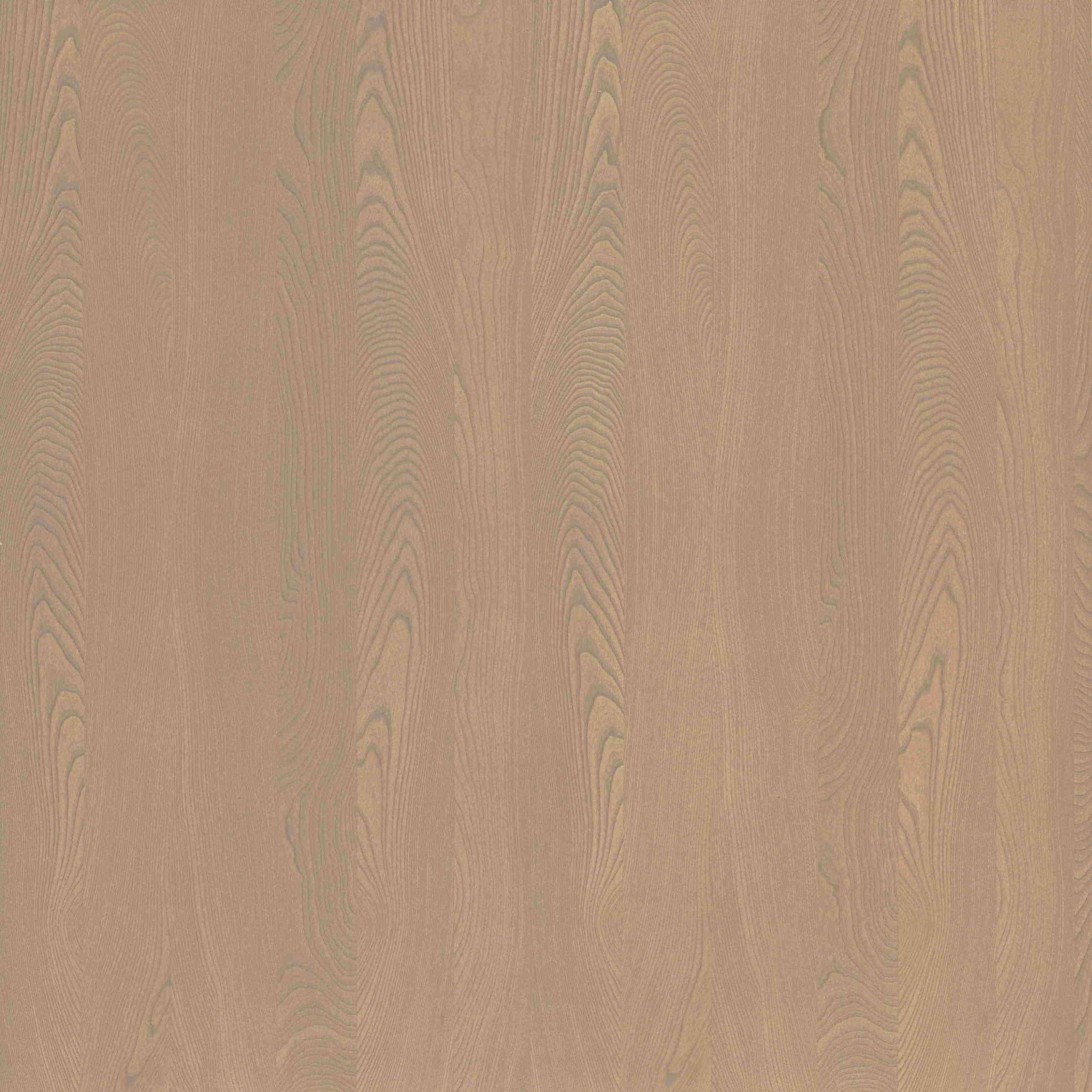
High-traffic spaces demand materials that resist daily wear. Must durability always compromise beautiful design? Oak veneer surfaces solve this architectural challenge effectively. They blend the organic elegance of natural wood with the uncompromising strength of engineered substrates. In this comprehensive guide, you will learn exact selection strategies to elevate your next interior project while ensuring long-lasting performance.
Key Takeaways
Engineered for Endurance: Modern veneer technology relies on advanced Polyurethane Reactive adhesives and protective finishes. This combination offers documented resistance against blunt impacts and daily wear in bustling commercial environments.
Core Matters: The structural foundation dictates the lifespan of the installation. Selecting between medium-density fiberboard for flat walls and plywood for structural rigidity is a critical specification step.
Time-Saving Solutions: Specifying factory-finished boards minimizes messy on-site labor. Controlled curing processes drastically enhance surface hardness and moisture resistance.
Versatile Applications: From heavy-duty wainscoting in hospitality sectors to precision-milled cabinetry, engineered oak adapts to strict architectural codes without the dimensional instability of solid timber.
Why Oak Veneer Panels Are the Ultimate Choice for High-Traffic Interiors
Addressing the Fragile Myth
Historically, thin wood overlays were sometimes associated with peeling edges or fragile surfaces that could barely withstand a passing glance. Contemporary manufacturing processes have rendered this outdated reputation entirely obsolete. Today's production utilizes advanced adhesives and thermo-setting resins applied under immense pressure in industrial hot presses. This rigorous process creates a bond at the cellular level. Specifically, the adhesion is often stronger than the wood fibers themselves. When combined with automated edge-banding technology that seals vulnerable perimeters, the resulting architectural elements exhibit exceptional resilience against the physical demands of corridors, hotel lobbies, and public transit lounges.
Current Industry Trends in Commercial Design
Recent architectural market analyses reveal a distinct shift in commercial interior design. The industry is moving rapidly toward biophilic environments that prioritize human well-being and natural textures. Facility managers report that spaces incorporating natural wood elements experience higher foot traffic retention and improved occupant satisfaction. Raw timber, however, struggles under heavy commercial use due to maintenance demands. Specifiers are increasingly bridging this gap by utilizing advanced veneer technologies. This effectively balances the timeless warmth of natural grain with the rigorous performance metrics required by modern building codes.
Solid Wood vs. Engineered Veneer
Solid timber carries a premium perception but is fundamentally hygroscopic. It constantly absorbs and releases airborne moisture, leading to inevitable expansion, contraction, and severe warping over time. In a commercial environment with fluctuating HVAC systems, solid wood installations require complex expansion joints and relentless ongoing maintenance. Engineered veneer bypasses this limitation entirely. By adhering a thin slice of authentic natural wood to a dimensionally stable composite core, the material retains the exact aesthetic of solid timber while neutralizing its natural tendency to warp. This structural predictability makes engineered cladding significantly more reliable for large-scale interior applications.

Understanding the Core: Oak Veneered MDF vs. Oak Plywood Panels
The longevity of any veneered surface is directly tied to the physical properties of its underlying substrate. When a service cart grazes a hallway wall, the core determines whether the surface simply scuffs or suffers a deep, irreparable gouge. Specifiers must evaluate the environmental conditions of the installation site to determine the appropriate foundation.
Medium-Density Fiberboard
For the vast majority of interior vertical applications, standard 18mm oak veneered MDF stands as the industry standard. Medium-density fiberboard is manufactured by breaking down wood residuals into fine fibers, combining them with a resin binder, and forming them into dense sheets under high temperature and pressure.
Surface Consistency: This core lacks a distinct internal grain pattern. Consequently, there is zero telegraphing where the texture of the core shows through the thin veneer. This ensures a perfectly flat, glass-smooth finish.
Dimensional Stability: In climate-controlled interiors, this substrate resists warping exceptionally well. It remains dead-flat across large spans, which is crucial for seamless feature walls.
Acoustic Mass: Its dense composition provides superior sound-dampening qualities. This makes it highly effective for acoustic wall treatments in boardrooms and performing arts centers.
Plywood Core Alternatives
When a project dictates higher structural integrity or exposure to slight humidity fluctuations, oak plywood panels become the necessary choice. Plywood is constructed from multiple layers of wood glued together with alternating grain directions.
Impact and Shear Strength: The cross-banded structure gives plywood superior resistance to blunt force impacts and bending stress.
Screw-Holding Capacity: For installations requiring heavy mechanical fasteners or load-bearing hardware, plywood cores grip screws much more securely than compressed fiberboard.
Weight Considerations: Plywood is generally lighter than medium-density fiberboard. This weight reduction can significantly lower structural loads on partition walls and reduce handling fatigue for contractors during large-scale installations.
Prefinished Oak Board Options: Maximizing Durability from Day One
The Power of Factory Finishes
Finishing raw wood on an active construction site introduces a host of uncontrollable variables. Dust contamination, uneven application streaks, and extended curing times frequently delay project handovers. Specifying a prefinished oak board mitigates these on-site risks entirely. Factory-applied finishes utilize advanced ultraviolet-cured lacquers or multi-coat polyurethane systems. In a highly controlled facility, liquid coatings are exposed to high-intensity light, initiating an instant cross-linking chemical reaction. This creates a highly durable, polymerized surface offering documented superiority in scratch resistance, chemical repellency, and moisture protection.
Customizing the Look: White Oak vs. Red Oak Trends
The specific species of timber selected fundamentally alters the design narrative of the space. Standard dimensions, typically 1220x2440mm, allow for seamless integration into expansive architectural grids.
White Oak: Characterized by a closed cellular structure and a cooler, olive-brown undertone. It accepts light, natural, or bleached finishes exceptionally well, perfectly aligning with minimalist and contemporary design trends.
Red Oak: Features open pores and a warmer, slightly reddish-pink hue. It is highly receptive to dark, rich stains like Espresso Oak. This remains a staple for traditional, robust, and classic interior environments where deep color saturation is desired.
Top Applications for Oak Veneer in Demanding Environments
Hospitality and Corporate Spaces
In high-traffic public sectors, materials must perform dual functions by providing aesthetic enhancement alongside physical endurance. Engineered oak is frequently utilized to fabricate commercial wall panels for bustling hotel lobbies, airport VIP lounges, and corporate corridors. When specified with fire-retardant cores, these installations meet strict commercial fire safety codes. Furthermore, they are often micro-perforated or slotted to serve as acoustic dampeners, effectively reducing noise reverberation in large, open-plan spaces.
High-End Millwork and Casework
The fabrication of commercial casework requires materials that maintain incredibly tight tolerances. Therefore, furniture panels crafted from engineered oak provide the necessary dimensional stability for reception desks, restaurant dining tables, and built-in retail cabinetry. Because the core materials do not expand and contract erratically like solid wood, intricate joinery and integrated hardware remain perfectly aligned over years of heavy daily use.
Busy Residential Hubs
In modern residential architecture, the kitchen, hallway, and living room act as primary circulation routes. Engineered oak surfaces are increasingly specified for custom kitchen cabinetry, integrated media walls, and hallway wainscoting. They offer homeowners the luxurious, bespoke texture of custom millwork while providing a robust surface engineered to withstand the daily impacts of family life, energetic pets, and frequent cleaning routines.
Installation Best Practices for Long-Lasting Performance
Selecting premium materials is only the first step in ensuring the longevity of an interior fit-out. The physical installation process dictates how well these materials will perform over time. Improper installation can lead to warping, delamination, or catastrophic structural failure, regardless of the material's initial quality.
The Importance of Acclimation
Wood is a naturally hygroscopic material. It absorbs and releases moisture depending on the surrounding atmospheric conditions. Imagine a beautifully designed boardroom where the wall cladding begins to buckle after just one winter season. This is the harsh reality of skipping the acclimation phase. Even when bonded to a stable core, the surface can react to sudden shifts in humidity and temperature. Industry standards dictate that wood-based products must acclimate to the specific environment where they will be permanently installed. Contractors should store the materials flat in the installation room for a minimum of 48 to 72 hours prior to mounting. The HVAC system must be fully operational, maintaining the standard room temperature and a relative humidity level of 35% to 55%. Skipping this empirical step increases the risk of micro-expansion or contraction post-installation, causing visible gaps at the seams.
Mounting Systems for High-Impact Zones
The method used to attach architectural elements to the wall structure significantly impacts both durability and future maintenance feasibility. Architects must consider not only the weight of the core material but also the potential for physical impact from luggage, cleaning equipment, or heavy foot traffic.
Mounting System | Best Suited For | Advantages | Disadvantages |
|---|---|---|---|
Aluminum Z-Clips | High-traffic hotel lobbies, corporate boardrooms. | Allows for hidden mounting. Individual sections can be easily removed for maintenance or replacement. | Requires highly precise measurement and leveling during the installation process. |
Wooden French Cleats | Heavy installations, retail feature walls. | Provides excellent structural support for dense, heavy core materials. | Consumes more depth, slightly reducing the usable floor space of the room. |
Direct Adhesive | Permanent residential applications, curved surfaces. | Fast installation process. Eliminates the need for mechanical hardware. | Highly permanent. Removing the material later will likely destroy both the drywall and the cladding itself. |
For areas expecting severe wear, utilizing a mechanical fastening system like aluminum Z-Clips is highly recommended. It allows facility managers to swap out a single damaged section without dismantling the entire wall assembly, thereby drastically reducing long-term maintenance costs.
Edge Protection Strategies
The most vulnerable part of any veneered surface is the exposed 90-degree edge. In busy corridors or public spaces, these edges are highly susceptible to chipping from passing service carts or luggage. Professional installers employ specific edge protection strategies to mitigate this risk. Applying solid oak edge banding with a minimum 2mm thickness provides a robust barrier that seamlessly matches the visual aesthetic of the face. Modern architectural designs often incorporate metal trims, such as extruded brushed aluminum or brass channels, between joints and at exposed corners. This not only shields the wood from blunt force but also adds a sophisticated, contemporary design element to the space.
How to Maintain and Protect Your Oak Veneer Panels
One of the primary advantages of utilizing engineered wood products over synthetic laminates is their unique ability to be maintained, repaired, and refreshed. With a systematic maintenance protocol, these surfaces can retain their structural integrity and visual appeal for decades.
Establishing a Daily Cleaning Routine
The maintenance of factory-finished wood requires a gentle, consistent approach. Harsh chemical cleaners, ammonia-based glass solutions, or abrasive scrubbing pads will systematically degrade the protective lacquer. This eventually exposes and damages the raw wood fibers beneath. Facility management teams should implement a cleaning protocol that relies exclusively on slightly damp microfiber cloths to remove surface dust and oily smudges. If a cleaning agent is absolutely necessary for removing stubborn dirt, a pH-neutral wood cleaner diluted in warm water is the optimal choice. It is critical to ensure that no standing water is left on the surface, especially near the seams or bottom edges, as prolonged moisture exposure can lead to swelling in the composite core.
Dealing with Scratches and Dents
Unlike printed melamine or high-pressure laminates, which cannot be repaired once the synthetic top layer is breached, real wood offers exceptional serviceability. Factory-applied polyurethane lacquers provide a strong initial defense against micro-scratches. If deeper gouges occur in high-traffic zones, they can be addressed without replacing the entire unit. Maintenance personnel can utilize color-matched wood touch-up pens or specialized wax filler sticks to seamlessly conceal minor abrasions. For more significant damage on high-end installations, a professional woodworker can lightly sand the affected area and reapply a matching clear coat. This inherent reparability is a key factor in the long-term cost-effectiveness of natural wood products.
Sunlight and UV Protection
Natural timber is inherently photosensitive. Prolonged exposure to direct ultraviolet radiation will cause the tannins and lignin in the oak to oxidize, leading to noticeable color shifts. White oak tends to yellow or amber over time, while red oak may lose its rosy vibrancy and fade to a dull brown. To protect installations in highly sunlit areas, such as south-facing lobbies or residential living rooms with expansive glazing, ultraviolet protection must be considered during the specification phase. Specifying topcoats with built-in inhibitors slows down the photochemical oxidation process significantly. Integrating architectural shading solutions, such as low-emission blocking window films or automated solar blinds, provides a necessary physical barrier against solar degradation.
What to Look for When Sourcing Premium Oak Veneer Panels
The global market for interior building materials is vast, and the quality of engineered wood products varies significantly between manufacturers. For architects, procurement managers, and contractors, understanding the technical specifications of the material is essential to ensure the final product meets rigorous commercial standards.
Evaluating Veneer Thickness and Slicing Methods
The durability and lifespan of the surface are directly correlated to the thickness of the wood slice. While economy options may use slices as thin as 0.2mm, standard commercial veneers typically range from 0.4mm to 0.6mm. Sourcing materials with a minimum thickness of 0.6mm is highly recommended for high-traffic environments. This prevents adhesive bleed-through during pressing and provides enough material depth to allow for light sanding and refinishing decades after the initial installation. The cutting method dictates the visual consistency of the project. Crown cut, also known as plain sliced, provides the traditional cathedral arch pattern, offering a warm, organic aesthetic. In contrast, quarter cut slicing produces a straight, linear grain. This linear aesthetic is currently highly sought after in modern, minimalist commercial designs to visually elongate walls and ceilings.
Sustainable Sourcing and Certifications
Modern construction places a heavy, necessary emphasis on environmental responsibility. When sourcing materials for commercial projects, especially those aiming for green building certifications, the origin of the timber and the chemical composition of the adhesives are heavily scrutinized. Buyers should prioritize products utilizing certified wood, ensuring the timber is harvested from responsibly managed forests. Equally important is the adhesive used to bond the layers. Specifying materials manufactured with low-emission or formaldehyde-free adhesives is crucial for complying with strict indoor air quality standards, thereby maintaining a healthy environment in enclosed commercial spaces.
Assessing Supplier Capabilities
Choosing a manufacturing partner capable of meeting strict business-to-business project requirements is just as important as the material itself. Reliable suppliers offer specific matching techniques, such as flitch matching, which ensures all sections are sliced from the exact same log. This guarantees color and grain continuity across a massive boardroom wall. Buyers must evaluate a supplier's capacity to provide sequence-matched batches, custom sizing, robust edge-banding, and reliable logistics to keep demanding construction timelines on track.
Conclusion
Engineered oak surfaces offer a remarkably smart balance for modern architecture. They successfully combine high-end, biophilic design with the true, unyielding durability required for bustling public and private spaces. By carefully choosing the appropriate core material and specifying a resilient factory finish, you ensure your project withstands the test of time. You do not have to compromise on your creative vision to meet structural demands. For tailored solutions that meet precise architectural specifications, explore the premium engineered options at GC Panels to confidently elevate the aesthetic and functional value of your next interior space.
Frequently Asked Questions
Is oak veneer as durable as solid oak?
While solid oak is physically thicker, oak veneer applied to an engineered, climate-stable core is actually less prone to warping, expanding, and cracking. When treated with a commercial-grade lacquer, these engineered surfaces are highly resilient and often outperform solid wood in large-scale interior applications where temperature and humidity fluctuate.
Can you use oak veneer panels in a bathroom or high-moisture area?
Yes, but it requires highly specific material specifications. Standard fiberboard cores will swell irreparably if exposed to moisture. For damp environments, you must specify a Moisture Resistant core or exterior-grade plywood. Additionally, the surface must be completely sealed with a high-quality waterproof polyurethane sealant, or you should utilize a factory-finished board specifically engineered for high-humidity environments.
What is the difference between wood veneer and laminate?
Wood veneer is a thin slice of real, natural timber. It possesses authentic tactile texture, depth, and unique grain patterns that cannot be perfectly replicated; no two pieces are exactly alike. Laminate, on the other hand, is a synthetic product made by printing a wood grain pattern onto paper and sealing it with melamine resin. Veneer offers a significantly higher-end aesthetic and dramatically increases the perceived value of luxury spaces.
How do you fix a chip in a commercial wall panel made of veneer?
Because veneer is authentic wood, it is highly serviceable. Small chips or dents can be repaired by filling the damaged area with a specialized wood filler matched precisely to the specific shade of the oak. Once dry, the filler is sanded completely flush with the surrounding surface and carefully refinished with a matching lacquer or wax. This ease of reparability makes it an incredibly practical choice for high-traffic areas prone to occasional impact.
How thick should oak veneer be for commercial use?
For high-traffic commercial environments, a veneer thickness between 0.4mm and 0.6mm is the industry standard. Specifying a 0.6mm thickness is highly recommended, as it provides superior impact resistance and leaves sufficient material depth for future sanding and refinishing, greatly extending the lifespan of the installation.
Are oak veneer panels fire-rated for commercial interiors?
Standard oak veneer panels are not inherently fire-rated, but they can be specially manufactured to meet strict commercial fire codes. By specifying a fire-retardant core material and applying specialized intumescent lacquers, manufacturers can produce Class A fire-rated panels suitable for installation in public corridors, hotel lobbies, and elevator banks.