Introduction
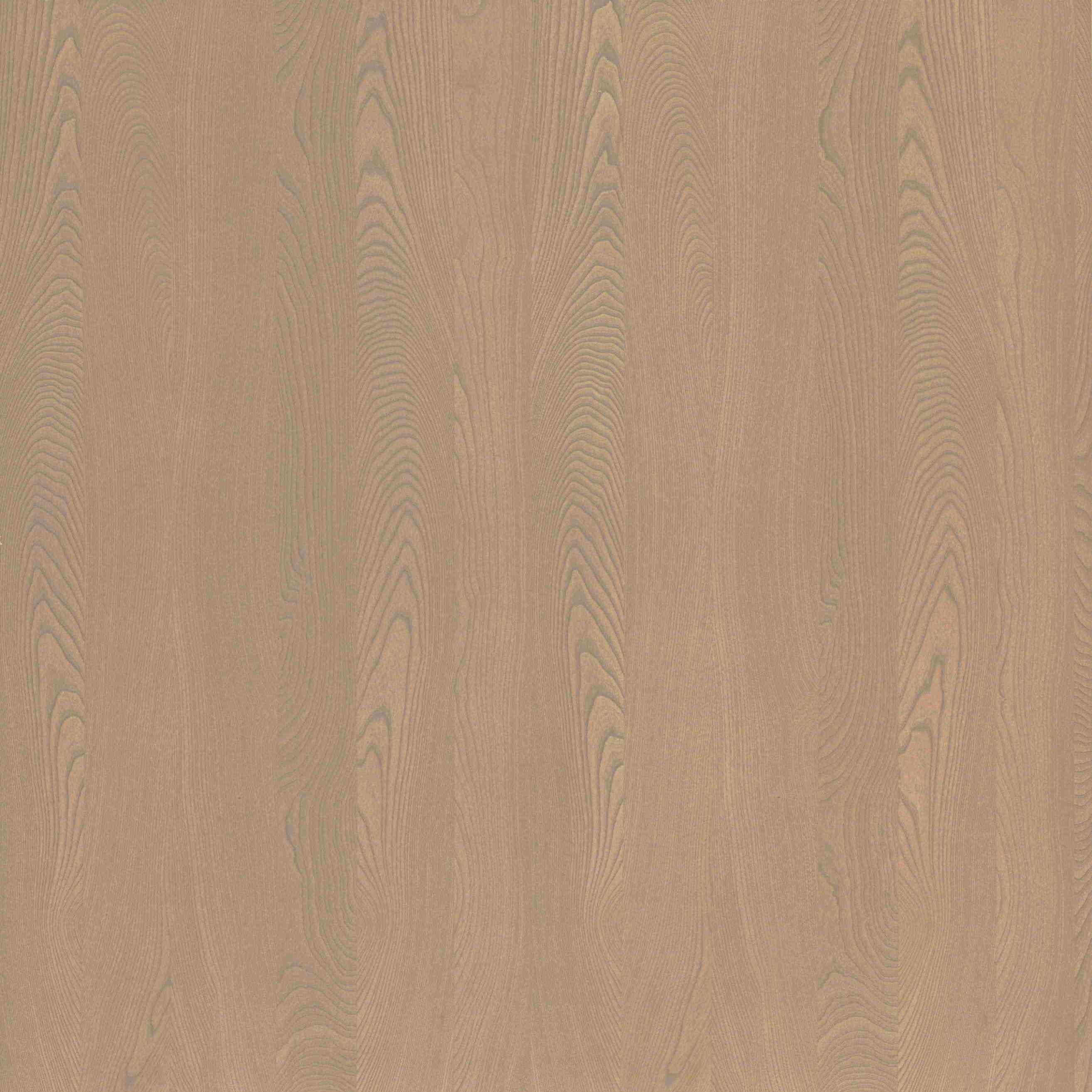
Wood Veneer Panels are used for wall cladding, custom furniture, cabinets, wardrobes, ceilings, doors, retail interiors, hotel projects, office spaces and decorative built-in surfaces. They provide the natural appearance of real wood while using a stable panel structure such as MDF, plywood, particleboard or other engineered substrates.
For designers, furniture manufacturers, cabinet makers and project contractors, wood veneer panels are a practical way to bring natural wood grain into modern interiors without using solid wood for every surface. They can create warm feature walls, elegant furniture fronts, premium cabinetry and consistent decorative finishes for both residential and commercial projects.
Unlike printed decorative materials, wood veneer panels use a thin layer of natural wood veneer on the surface. This gives each panel a more authentic wood texture, color tone and grain character. When the panels are prefinished, they can also reduce on-site finishing work and improve installation efficiency.
For designers, furniture makers and project contractors, GC Panels’ Wood Veneer Panels provide natural wood textures for walls, cabinets, furniture and commercial interiors.
This article explains the most common uses of wood veneer panels, how different projects apply them, and what buyers should check before choosing panels for interior design or manufacturing.
Key Takeaway
Wood Veneer Panels are mainly used for interior decoration and furniture manufacturing where natural wood appearance, design consistency and panel stability are required.
Key points include:
Wood veneer panels are widely used for wall cladding, furniture, cabinets, wardrobes, ceilings and doors.
They provide a real wood surface appearance with a stable engineered panel core.
Decorative wood veneer panels are suitable for residential, commercial and hospitality interiors.
Wood veneer wall panels can create feature walls, background walls and full-height decorative surfaces.
Wood veneer panels for cabinets help achieve natural wood grain consistency across large projects.
Prefinished panels can reduce on-site painting, staining and finishing work.
Different wood species, substrates, thicknesses and finishes should be selected according to project needs.
Wood veneer panels are mainly designed for interior use unless special treatment is applied for more demanding environments.
In short, wood veneer panels are used when a project needs the warmth of natural wood with better panel consistency, easier processing and flexible customization.
What Are Wood Veneer Panels?
Wood veneer panels are decorative panels made by applying a thin layer of natural wood veneer onto a substrate. The substrate may be MDF, plywood, particleboard or another engineered board depending on the application.
The veneer surface provides the visible wood grain, while the substrate provides structure and dimensional stability. This combination allows designers and manufacturers to achieve a natural wood appearance while controlling cost, weight, size and production consistency.
Common veneer options include oak, walnut, elm, eucalyptus and other wood species. Each wood type has its own grain pattern, color tone and design effect.
Wood veneer panels may be supplied unfinished or prefinished. Prefinished wood veneer panels are already coated or surface-treated, helping reduce additional finishing work during installation or production.
Why Are Wood Veneer Panels Popular in Interior Projects?
Wood veneer panels are popular because they balance natural appearance and practical performance. They are especially useful in projects that require a consistent visual effect across many panels, such as hotel rooms, office interiors, retail stores and custom cabinetry.

Main reasons include:
Natural wood grain appearance
More stable structure than solid wood in many panel applications
Flexible substrate choices
Suitable for large surface coverage
Easier processing for furniture and cabinetry
Better batch consistency for commercial projects
Rich wood species and surface finish options
Suitable for modern, classic, luxury and minimalist interiors
Compared with solid wood, wood veneer panels can reduce movement risk and material waste in many panel-based applications. Compared with ordinary laminate surfaces, they provide a more natural wood texture and premium appearance.
How to Match Wood Veneer Panels to a Project
Project Type → Application Surface → Wood Species / Grain Style → Substrate Selection → Thickness and Panel Size → Surface Finish Requirement → Environmental Standard → Final Wood Veneer Panel SelectionThis horizontal process shows that panel selection should begin with the actual project use. A wall panel, cabinet door, furniture surface and hotel interior panel may require different substrates, thicknesses, finishes and performance requirements.
Common Uses of Wood Veneer Panels
1. Wall Cladding and Feature Walls
One of the most common uses of Wood Veneer Panels is wall cladding. They can be installed as full-height wall panels, background walls, decorative feature walls, reception walls or corridor panels.
Wood veneer wall panels are often used to create a warmer and more premium interior atmosphere. They are suitable for living rooms, offices, hotels, restaurants, showrooms and high-end commercial spaces.
2. Custom Furniture
Wood veneer panels are widely used in custom furniture manufacturing. They can be used for desks, tables, shelves, TV cabinets, storage units, sideboards and decorative furniture surfaces.
For furniture makers, wood veneer panels provide the look of natural wood while supporting more efficient cutting, edge banding and panel processing.
3. Kitchen Cabinets and Wardrobes
Wood veneer panels for cabinets are used in kitchen cabinet doors, wardrobe doors, drawer fronts, side panels and decorative cabinet surfaces. They help create a consistent wood grain appearance across large cabinet systems.
For residential and commercial projects, veneer panels can provide a more refined surface than basic melamine while maintaining a practical panel structure.
4. Ceiling Decoration
Wood veneer panels can be used on ceilings to create visual warmth and design continuity. Ceiling applications may include hotel lobbies, office spaces, restaurants, lounges and residential interiors.
When used on ceilings, panel weight, installation method, fire performance and surface finish should be checked according to the project requirement.
5. Doors and Door Skins
Wood veneer panels are also used for door surfaces and door skins. They can provide a natural wood appearance for interior doors, cabinet doors and decorative sliding doors.
For large projects, consistent veneer selection and surface finishing help maintain visual uniformity across multiple rooms or units.
6. Office and Commercial Interiors
Commercial interior panels often need to balance appearance, durability and repeatable production. Wood veneer panels are suitable for office reception areas, meeting rooms, executive rooms, wall partitions and built-in storage systems.
Natural wood grain can create a professional and refined atmosphere without making the space look overly cold or industrial.
7. Retail Stores and Showrooms
Retail stores and showrooms use decorative wood veneer panels to build brand atmosphere. They can be applied to display walls, counters, product shelves, fitting rooms and decorative partitions.
Wood veneer surfaces help create a premium visual identity, especially for fashion, furniture, jewelry, cosmetics and lifestyle brands.
8. Hotels, Restaurants and Hospitality Spaces
Hotels and restaurants often use wood veneer panels to create comfortable, warm and upscale interiors. Typical uses include guest room walls, lobby walls, reception counters, restaurant partitions, corridor panels and lounge areas.
For hospitality projects, batch color consistency and durability are important because many rooms or public areas may use the same panel style.
9. Healthcare and Children’s Spaces
In healthcare facilities, schools and children’s spaces, wood veneer panels may be selected when projects require warmer, calmer and more natural-looking interiors. Environmental standards, low-emission materials and easy-clean surfaces should be considered.
The material selection should match the project’s safety and indoor air quality requirements.
10. Decorative Details and Built-In Joinery
Wood veneer panels can also be used for smaller decorative elements, including trims, column covers, shelving, built-in cabinets, display niches and integrated wall systems.
These details help connect furniture, walls and architectural surfaces into one coherent design.
Common Uses of Wood Veneer Panels
Application | How Wood Veneer Panels Are Used | Main Benefit |
|---|---|---|
Wall cladding | Feature walls, full-height panels, decorative backgrounds | Natural warmth and premium texture |
Furniture | Tables, desks, shelves and storage units | Solid-wood appearance with stable panel structure |
Cabinets | Kitchen cabinets, wardrobes and bathroom cabinets | Elegant surface and project consistency |
Ceilings | Decorative ceiling panels and warm interior accents | Visual depth and design continuity |
Doors | Door skins and decorative door surfaces | Natural wood look with controlled finish |
Offices | Meeting rooms, reception areas and executive spaces | Professional and refined atmosphere |
Retail stores | Display walls, counters and brand spaces | Premium visual identity |
Hotels and restaurants | Guest rooms, lobbies, lounges and dining areas | Warm, comfortable and upscale feel |
Healthcare and children’s spaces | Low-emission interior panels | Cleaner and calmer interior environment |
Built-in joinery | Custom wall systems, shelving and trims | Integrated design appearance |
To explore more project possibilities, the wood veneer panel applications page shows how decorative panels can be used in wardrobes, kitchen cabinets, wall cladding, offices, showrooms, retail spaces, hotels and healthcare environments.
How to Choose Wood Veneer Panels for Different Projects
Choosing the right wood veneer panel depends on design goals, installation surface, processing method and performance requirements.
Choose by Surface Appearance
The wood species affects the final visual style. Oak may create a natural and timeless look. Walnut often creates a deeper and more premium tone. Elm can provide a stronger natural grain character. Eucalyptus may fit clean and contemporary interiors.
For luxury interiors, executive offices, hotel rooms and premium furniture, Walnut Veneer Panels can create a deeper and more sophisticated wood tone.
For timeless interiors, durable cabinetry and versatile wall surfaces, Oak Veneer Panels offer a practical and natural design direction.
Choose by Substrate
The substrate affects stability, weight, processing and cost. MDF is often used for smooth furniture and interior panels. Plywood may be selected where stronger structural performance is required. Particleboard may be suitable for some cost-sensitive applications.
Choose by Thickness
Panel thickness should match the application. Wall cladding, cabinet doors, shelves and furniture surfaces may require different thicknesses. The installation method and edge treatment should also be considered.
Choose by Finish and Surface Performance
Prefinished panels can reduce on-site finishing work. Depending on the project, buyers may need UV coating, anti-scratch performance, anti-fingerprint surface, matte finish, soft-touch effect or moisture-resistant treatment.
Choose by Batch Color Consistency
For hotels, offices, retail stores and large furniture orders, batch color consistency is important. Wood is a natural material, so veneer selection and production control should be discussed before large-scale use.
Choose by Environmental Standard
Interior projects may require low-emission boards or specific environmental standards. This is especially important for homes, schools, healthcare spaces and children’s rooms.
Wood Species and Design Style
Veneer Type | Visual Character | Suitable Use |
|---|---|---|
Oak veneer panels | Natural grain, warm and timeless | Cabinets, walls, furniture and commercial interiors |
Walnut veneer panels | Darker tone, premium and elegant | Hotels, offices and luxury furniture |
Elm veneer panels | Distinct texture and natural character | Feature walls and decorative panels |
Eucalyptus veneer panels | Clean and modern wood look | Contemporary interiors and panel systems |
Customized veneer panels | Project-specific grain, tone or effect | Brand spaces, hotels and custom furniture |
Wood Veneer Panels vs Solid Wood vs Laminate Panels
Wood veneer panels are not the same as solid wood, laminate panels or melamine boards. Each material has its own use.
Material | Strength | Limitation |
|---|---|---|
Wood veneer panels | Natural wood appearance with stable substrate | Mainly for indoor use unless specially treated |
Solid wood | Authentic wood structure and premium feel | Higher cost and more movement risk |
Laminate panels | Durable and design-flexible | Less natural wood texture |
Melamine board | Cost-effective and easy to clean | Less premium natural appearance |
Lacquered MDF | Smooth and modern surface | Different visual style from natural wood grain |
Wood veneer panels are especially useful when the project needs real wood appearance across larger surfaces while still using a stable panel structure.
Wood Veneer Panel Selection Checklist
Factor | What to Check |
|---|---|
Application | Wall, cabinet, furniture, ceiling, door or commercial project |
Wood species | Oak, walnut, elm, eucalyptus or customized veneer |
Substrate | MDF, plywood, particleboard or other panel core |
Thickness | Match structural and installation needs |
Surface finish | Prefinished, UV-coated, matte, anti-fingerprint or soft-touch |
Color consistency | Batch stability for large projects |
Durability | Scratch resistance, wear resistance and cleaning needs |
Environmental standard | Low-emission board or project-specific requirement |
Installation method | Wall fixing, furniture processing, cabinet production or door skin use |
Customization | Size, surface, grain direction, color and OEM/ODM needs |
Why Choose GC Panels Wood Veneer Panels?
GC Panels provides decorative panel solutions for interior projects, furniture manufacturing and commercial spaces. Its wood veneer panels are designed to combine natural wood texture with practical panel performance for designers, contractors, furniture factories and project buyers.
GC Panels can support projects such as:
Wall cladding
Kitchen cabinets
Wardrobes
Custom furniture
Office interiors
Retail stores
Hotels and restaurants
Showrooms
Decorative doors
Built-in joinery
Customized interior panels
The right panel should not be selected only by wood color. Buyers should also check the substrate, thickness, surface finish, environmental standard, batch consistency, application method and installation environment.
For project buyers, furniture manufacturers and interior contractors, GC Panels can help provide custom wood veneer panel solutions based on application, veneer species, substrate, finish and project quantity.
Conclusion
Wood Veneer Panels are used for many interior and furniture applications, including wall cladding, feature walls, cabinets, wardrobes, ceilings, doors, office interiors, retail stores, hotels, restaurants, healthcare spaces and built-in joinery. They offer the natural appearance of real wood while using a stable panel structure that supports efficient production and consistent project design.
For residential interiors, wood veneer panels can create warm and natural surfaces. For commercial projects, they help designers achieve premium visual quality across large areas. For furniture and cabinet manufacturing, they provide a practical material option with natural wood grain and flexible processing.
When choosing wood veneer panels, users should consider the application, wood species, substrate, thickness, finish, color consistency, durability, environmental standard and customization needs.
Need help choosing panels for your next project? Contact GC Panels for custom wood veneer panel solutions with your project type, application surface, required wood species, substrate, thickness, finish, quantity, color consistency needs and environmental standard to receive a suitable wood veneer panel recommendation.
FAQ
1. What are Wood Veneer Panels used for?
Wood Veneer Panels are used for wall cladding, furniture, cabinets, wardrobes, ceilings, doors, office interiors, retail stores, hotels, restaurants and custom decorative surfaces.
2. Are wood veneer panels suitable for wall cladding?
Yes. Wood veneer wall panels are commonly used for feature walls, background walls, reception areas, hotel interiors, office walls and decorative commercial spaces.
3. Can wood veneer panels be used for furniture?
Yes. Wood veneer panels for furniture can be used for desks, tables, shelves, storage cabinets, TV units, sideboards and other custom furniture products.
4. Are wood veneer panels good for kitchen cabinets?
Yes. Wood veneer panels can be used for kitchen cabinet doors, wardrobe doors and cabinet surfaces when the correct substrate, finish and durability level are selected.
5. What is the difference between wood veneer panels and solid wood?
Wood veneer panels use a thin natural wood veneer surface over an engineered substrate. Solid wood is made from full wood material. Veneer panels often offer better panel stability and material efficiency for large surfaces.
6. Are wood veneer panels the same as laminate panels?
No. Wood veneer panels use a real wood veneer surface, while laminate panels usually use decorative paper, printed layers or synthetic surface materials. Veneer panels provide a more natural wood grain appearance.
7. Can wood veneer panels be used outdoors?
Wood veneer panels are mainly used for interior applications. Outdoor use requires special treatment, protective finishes or materials designed for exterior environments.
8. What wood species are used for veneer panels?
Common wood species include oak, walnut, elm, eucalyptus and other natural veneers. The best option depends on the design style and project requirements.
9. How do I choose the right wood veneer panel?
You should check application, wood species, substrate, thickness, surface finish, color consistency, durability, environmental standard and customization needs.
10. Can GC Panels provide custom wood veneer panel solutions?
Yes. GC Panels can support custom wood veneer panel solutions for furniture, cabinets, wall cladding, commercial interiors and project-based decorative applications.