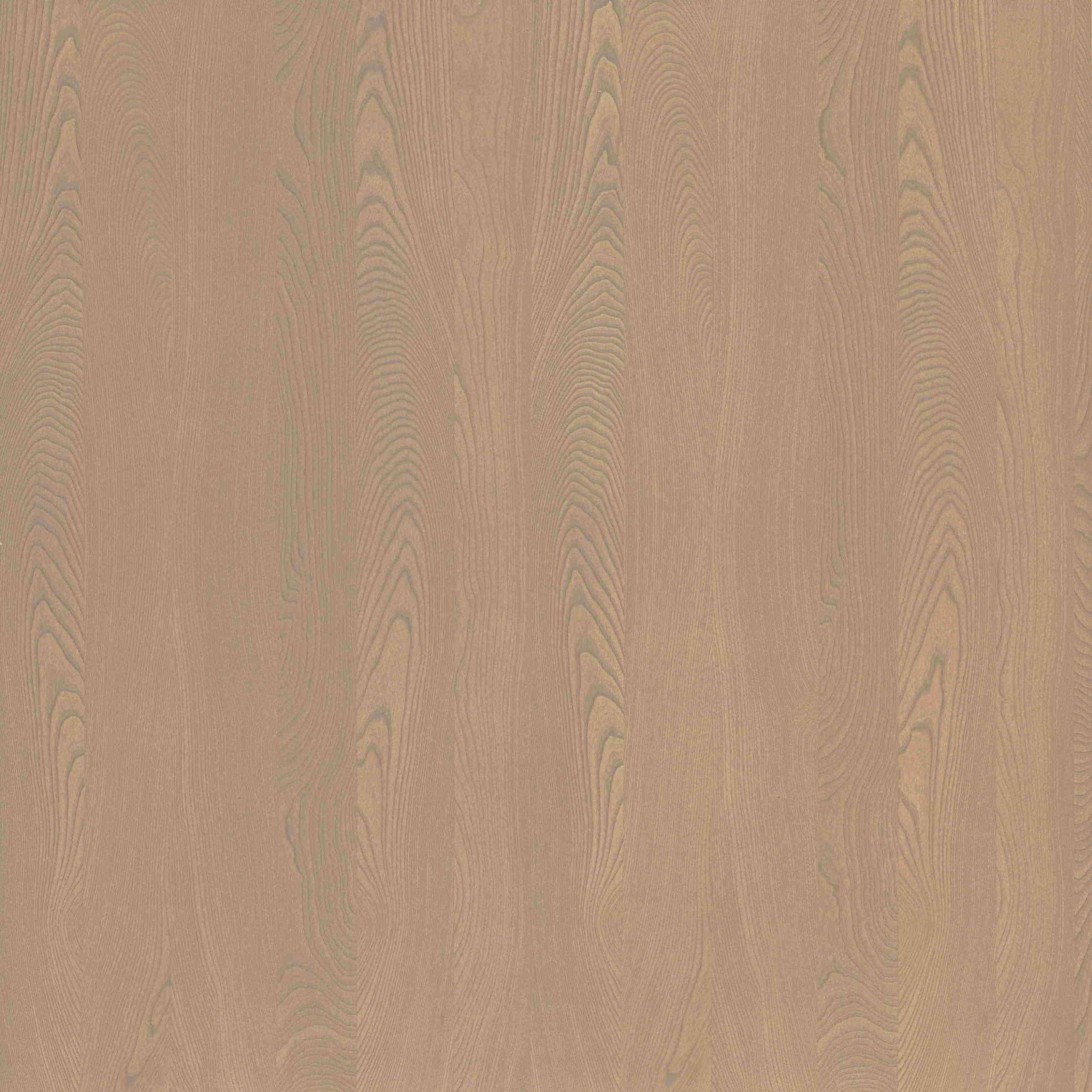
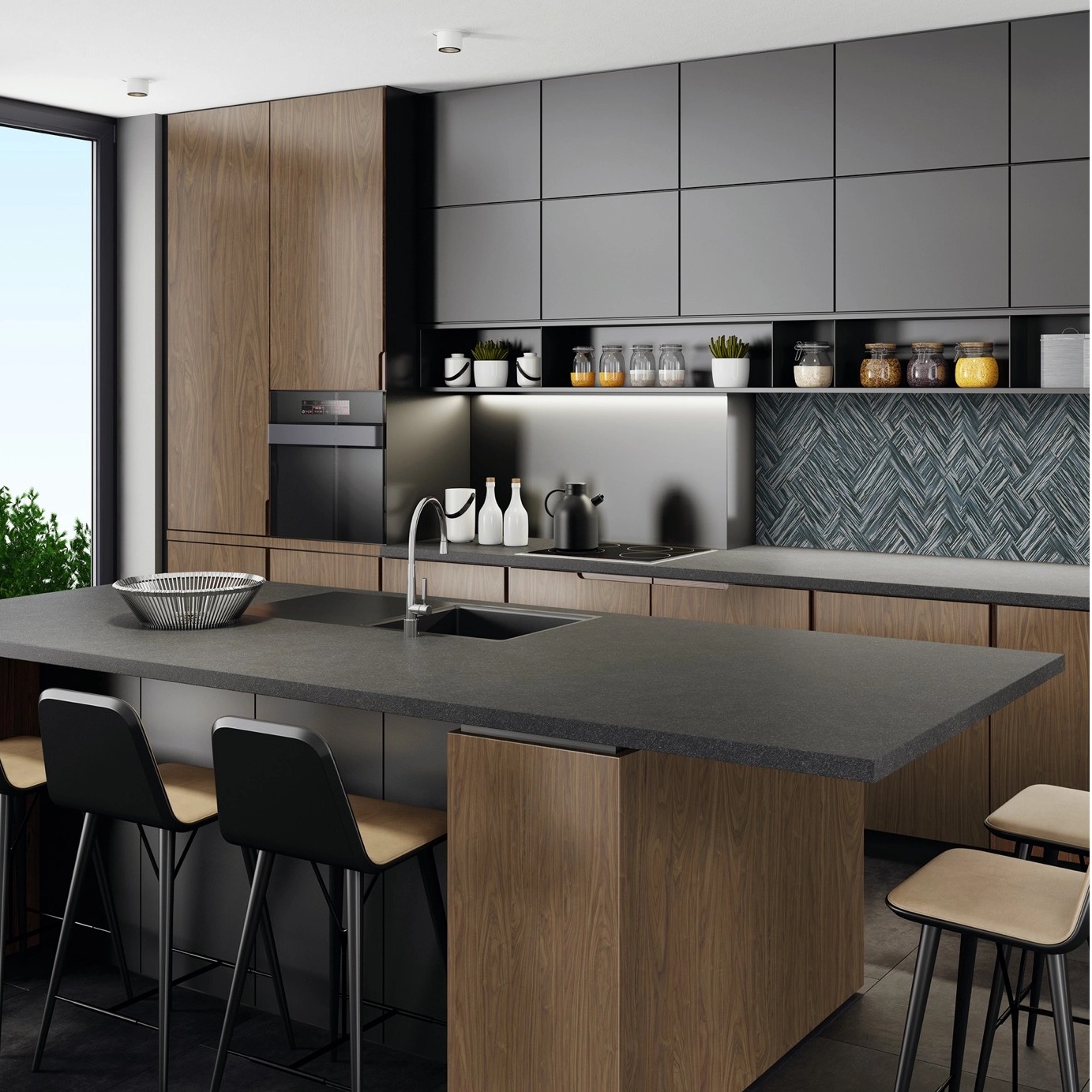
You step into a newly renovated office or a freshly designed living room. The visual appeal of natural timber brings undeniable warmth, texture, and organic beauty to the architectural space. Yet, an invisible threat might linger in the air beneath that stunning surface. Natural wood products are highly sought after. However, the hidden chemical components utilized in their manufacturing sometimes act as a silent source of indoor pollution. Over the past two decades, the adhesives and resins employed in composite wood manufacturing have drawn intense regulatory scrutiny.
To truly comprehend the safety profile of your building materials, you must understand the chemical makeup of these architectural elements. Formaldehyde is a ubiquitous, naturally occurring volatile organic compound. Furthermore, it serves as a primary chemical building block in the industrial resins and glues required to bond a thin decorative wood slice to a robust structural core, such as medium-density fiberboard or hardwood plywood. For architects, interior builders, and health-conscious homeowners, determining exactly which Formaldehyde Class a chosen material meets is no longer an optional secondary specification. It is a critical purchasing decision that directly affects occupant well-being.
This comprehensive guide explores the global emission standards governing composite wood. We will break down the scientific factors influencing these chemical emissions and reveal how modern manufacturing technologies are forging ultra-safe materials. Ultimately, you will learn how to select the right architectural panels to guarantee optimal environmental safety for your next project.
Key Takeaways
Most high-quality commercial wood panels on the market today meet stringent global regulatory standards, typically achieving E1, CARB Phase 2, or EPA TSCA Title VI legal compliance.
Premium and eco-friendly architectural options often qualify for an ultra-safe classification. They demonstrate near-zero chemical emissions, making them exceptionally secure for sensitive residential and commercial interiors.
The specific type of adhesive resin applied, the natural moisture content of the raw timber, and the inherent wood species play scientifically proven roles in determining the final emission levels of a finished board.
Opting for a factory-sealed surface can further lock in and drastically reduce any potential residual off-gassing, acting as a protective barrier over the lifespan of the installation.
Advanced manufacturing techniques, including formaldehyde-free resin alternatives and plasma surface modifications, are actively revolutionizing the safety and sustainability of modern construction materials.
Industry Trend Analysis: The Shift Toward Hyper-Sustainability
Before diving into the technical specifications, it is crucial to understand the current trajectory of the global construction materials market. Analyzing recent industry data reveals a definitive shift toward hyper-sustainability. Modern architectural demands are moving rapidly away from mere baseline legal compliance. Instead, forward-thinking developers and procurement managers are actively seeking out ultra-low emitting materials.
This evolution is largely driven by the rising prominence of prestigious green building frameworks, such as the Leadership in Energy and Environmental Design and WELL building standards. These rigorous certification programs award substantial credits to projects that demonstrably utilize low-emitting interior finishes. Consequently, manufacturers are phasing out older, highly volatile adhesives. The market is witnessing a massive surge in demand for No-Added Formaldehyde boards and ultra-safe premium panels, proving that prioritizing respiratory health is no longer a niche luxury, but a foundational requirement in modern commercial and residential construction.
What is the Connection Between Veneer Panels and Formaldehyde?
To navigate the regulatory landscape effectively, we must first deconstruct the anatomy of the product itself. A Veneer Panel is an engineered composite product. It consists of a meticulously sliced, micro-thin layer of natural hardwood bonded permanently to a thicker structural core substrate. While the exterior timber provides the visual charm, the structural integrity of the entire assembly relies entirely on the industrial adhesives binding these distinct layers together.
Consequently, this is precisely where the chemical enters the manufacturing equation. Historically, the global timber industry has relied heavily on urea-formaldehyde and phenol-formaldehyde resins. These synthetic adhesives are heavily favored because they are highly cost-effective, cure rapidly under extreme heat and pressure, and establish an exceptionally durable bond that prevents delamination.
However, the chemical curing process of these resins is rarely flawless. Unreacted molecules frequently remain trapped within the hardened glue line. Over time, particularly when subjected to environments with fluctuating ambient temperatures and high humidity, these cured resins can undergo hydrolysis. This chemical breakdown causes the board to release volatile organic compounds into the surrounding environment through a continuous process known as off-gassing. Because modern energy-efficient buildings are tightly sealed, these accumulating gases directly compromise the purity of the indoor atmosphere.
Decoding the Global Formaldehyde Class Standards
Navigating the complex regulatory landscape of composite wood emissions can initially seem overwhelming. Breaking down these global standards into easily digestible metrics empowers procurement managers and homeowners to read product specification sheets with absolute confidence. Below is a core comparison of the most prominent global standards.
Standard Class | Governing Region | Emission Limit | Application Suitability |
|---|---|---|---|
E1 Class | European Union | Max 0.1 parts per million | Standard residential and general commercial baseline. |
E0 Class | Global Premium Standard | Max 0.05 parts per million | Eco-friendly builds, pediatric wards, and luxury interiors. |
CARB Phase 2 | California, USA | 0.05 parts per million for plywood | Strict baseline for all North American architectural projects. |
EPA TSCA Title VI | United States Federal | Aligns with CARB Phase 2 | Mandatory legal requirement for any board sold in the US. |
F-Four Star | Japan | Max 0.03 milligrams per liter | Unrestricted indoor use for highly sensitive environments. |
So, Which Formaldehyde Class Do Veneer Panels Actually Meet?
When sourcing materials for an upcoming renovation or a large-scale architectural build, buyers frequently wonder where standard commercial products fall along this vast regulatory spectrum. The industry baseline is clearly defined by law. Any composite board sold in major regulated markets like the United States or the European Union must unequivocally meet at least the E1, CARB Phase 2, or EPA TSCA Title VI standards. Therefore, standard commercial panels are demonstrably safe and fully compliant with foundational health regulations.
In contrast, there is a distinct difference between baseline legal compliance and optimal environmental safety. High-end architectural materials, specifically engineered for healthcare facilities or luxury residential developments, purposefully transcend these minimum requirements. Leading eco-friendly manufacturers utilize advanced synthetic adhesives to produce premium panels that meet the strict E0 or Japanese F-Four Star criteria.
How Prefinished Surfaces Change the Equation
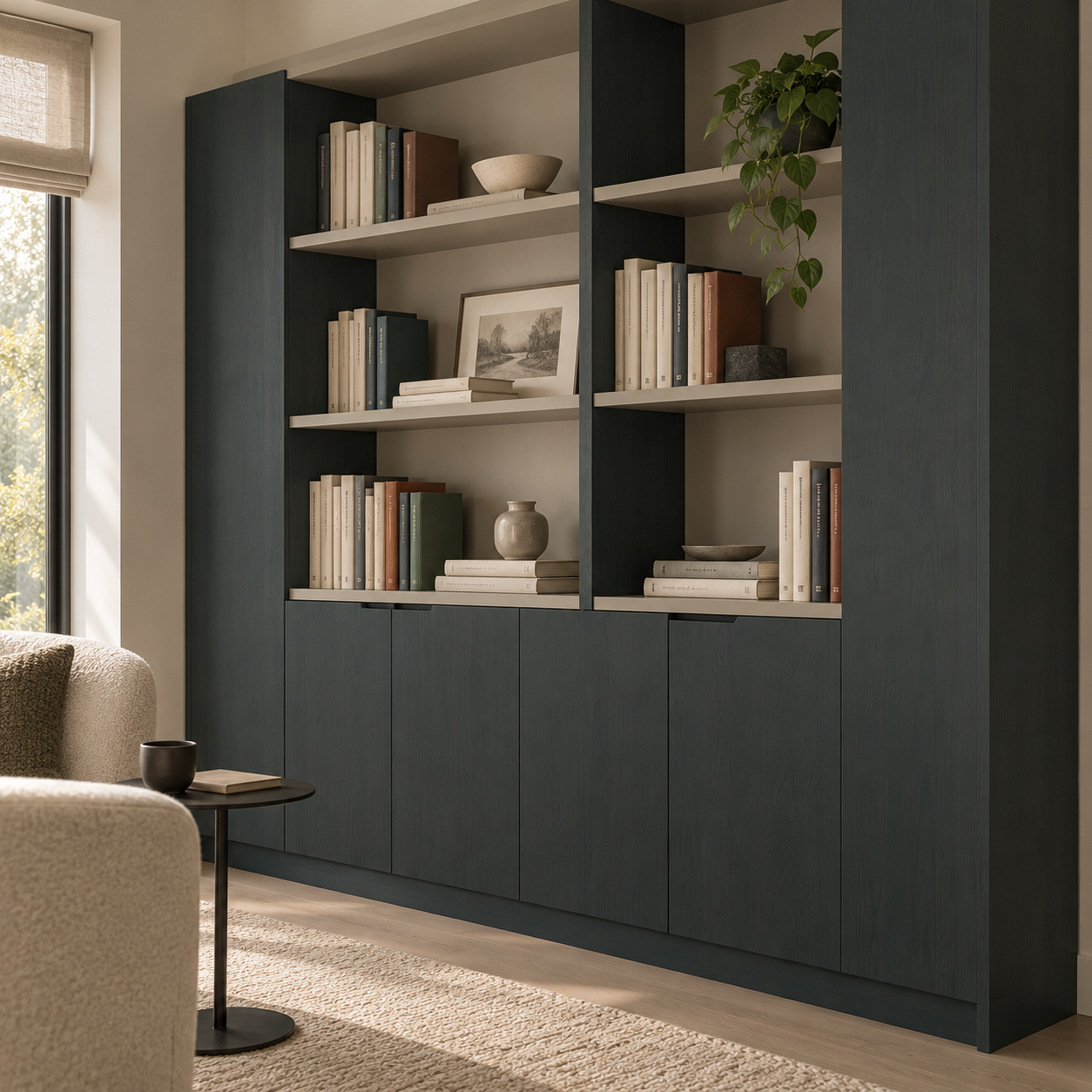
The surface treatment applied to the timber plays a highly functional, yet often underestimated, role in controlling chemical off-gassing. Raw, unfinished wood is inherently porous. This cellular structure allows latent gases trapped within the core substrate to escape freely into the room. This dynamic shifts dramatically when utilizing a premium Prefinished Veneer.
For instance, top-tier architectural products like the Prefinished Natural Wood Veneer Series are meticulously sanded, stained, and fully sealed within a highly controlled factory environment long before they reach the construction site. These factory-applied finishes leverage advanced UV-cured lacquers and heavy-duty acrylic sealants to create a dense, impermeable microscopic barrier over the timber grain. This robust barrier effectively traps and neutralizes residual off-gassing from the underlying adhesives, protecting the ambient air much more effectively than raw veneers that are merely stained on-site by local contractors.
Actionable Selection Guide: Choosing the Right Panel for Your Project
Translating chemical standards into practical purchasing decisions requires a clear understanding of your specific project needs. As a seasoned architectural material specifier, I recommend categorizing your material selection based on the end-use environment.
For standard commercial offices and retail spaces, ensuring strict compliance with EPA TSCA Title VI or European E1 is entirely sufficient. These materials provide a legally sound, highly durable, and cost-effective solution for well-ventilated public spaces.
Conversely, for high-sensitivity residential zones such as master bedrooms, nurseries, or enclosed basement renovations, the specification strategy must change. In these tightly sealed environments, you should exclusively demand E0 rated boards or panels utilizing No-Added Formaldehyde resins. While these premium materials carry a slightly higher initial cost, they drastically reduce the risk of long-term respiratory irritation.
Specifically, if you are working on a high-humidity project like a luxury bathroom or a coastal hotel lobby, prioritize panels bonded with phenol-formaldehyde or melamine-fortified resins. These specific chemical formulations resist moisture degradation far better than standard urea-based glues, preventing the hydrolysis process that triggers sudden spikes in chemical off-gassing.
Key Factors That Affect Emission Levels
Understanding why certain building materials emit more volatile compounds than others requires a closer examination of the manufacturing variables. Emission levels are not solely dictated by the glue. Rather, they result from a complex chemical interaction between the timber, the inherent moisture, and the synthetic resins.
It is a scientifically established fact that natural timber inherently contains microscopic, naturally occurring trace amounts of formaldehyde as a biological byproduct of the tree growth cycle. Therefore, an absolute zero emission wood product is technically impossible to achieve. Furthermore, the physical density and cellular porosity of the specific wood species dictate exactly how deeply the liquid adhesive penetrates during the pressing phase.
Moisture content serves as another critical manufacturing variable. During the high-temperature hot-pressing stage, the moisture level within the raw timber must be meticulously calibrated. If the moisture content is too high, it actively interferes with the chemical polymerization of the resins. This incomplete curing process leaves higher concentrations of unreacted molecules trapped within the board. Precise kiln-drying of the timber is absolutely essential for achieving a stable, low-emission profile.
The Impact of Low-Emission Materials on Indoor Air Quality
The decision to invest in low-emission materials yields tangible, documented impacts on human health. According to global environmental health agencies, prolonged exposure to elevated chemical levels can trigger acute health issues. Short-term exposure frequently results in the irritation of the eyes, nose, and throat, alongside headaches and allergic dermatitis. Long-term, chronic exposure in poorly ventilated spaces poses more severe respiratory risks.
By demanding low-emission materials, builders drastically reduce the ambient concentration of these toxins. Specifying an E0 Board is a highly strategic maneuver for commercial projects aiming for prestigious green building certifications. Ultimately, utilizing strictly certified panels provides the empirical assurance that the physical space is not silently compromising occupant well-being.
Innovative Technologies Reducing Emissions at the Source
The composite wood industry is exceptionally forward-thinking, continuously pouring resources into chemical engineering to neutralize emissions at the molecular level without sacrificing structural performance.
One of the most effective contemporary methods involves the introduction of chemical scavengers. During the initial resin mixing process, manufacturers blend in specific compounds, such as excess urea derivatives or specialized tannin-based chemicals. These scavengers are chemically engineered to actively seek out, capture, and bind with any free, unreacted molecules before the board is even pressed. By permanently trapping the chemical within the solid matrix of the wood, scavengers prevent it from ever escaping into the atmosphere.
At the absolute cutting edge of materials science, researchers are exploring physical surface modifications to the timber itself. Recent academic studies highlight the remarkable efficacy of oxygen and nitrogen cold plasma treatments. By treating the timber surface with plasma, manufacturers alter its microscopic topography and chemical reactivity. This process drastically improves the natural adhesion properties of the wood, allowing for the use of milder, biological resins that previously struggled to bond securely with raw timber.
How to Verify the Compliance of Your Architectural Panels
Understanding the underlying science is only half the battle. Procurement teams and homeowners must also know exactly how to verify the marketing claims made by suppliers. When purchasing materials, especially in bulk for large-scale architectural projects, empirical verification is an absolute necessity.
First, never rely solely on glossy brochures. Reputable suppliers should readily provide official, third-party testing certificates upon request. Buyers must explicitly ask for current documentation proving CARB Phase 2, EPA TSCA Title VI, or E0 compliance. Certifications from recognized auditing bodies offer objective, undeniable proof of a product true emission class.
Second, inspect the physical labels. When inspecting a pallet of materials on a busy job site, look for the physical compliance stamps. Legislation in the United States requires explicit tracing. An authentic, compliant board will feature a clear label stating TSCA Title VI Compliant alongside the manufacturer identification details and the exact date of production.
Finally, for complex custom projects, standard labels may lack sufficient detail. Buyers should request the Technical Data Sheet and the Material Safety Data Sheet directly from the manufacturer. These granular technical documents explicitly outline the adhesive types applied, the rigorous testing methods utilized, and the precise emission results achieved by that specific product batch.
Conclusion
While volatile chemical compounds remain a historical byproduct of composite wood manufacturing, modern environmental regulations and cutting-edge chemical engineering have made today's building materials incredibly safe. The vast majority of reputable commercial boards easily meet strict federal standards, ensuring a baseline of health for general construction.
However, for those looking to truly optimize their environments, buyers should consistently aim for ultra-low emission classifications. Investing in a premium core combined with a high-quality factory finish guarantees the absolute best Indoor Air Quality possible. Before breaking ground on your next interior design project, take the time to review technical specification sheets carefully. If you are seeking materials that seamlessly blend architectural beauty with rigorous environmental safety, explore the certified premium collections at GC Panels to ensure a lasting and deeply healthy architectural space.
FAQ
Are veneer panels safe for indoor use?
Yes, provided they comply with modern, regulated emission standards such as CARB Phase 2, EPA TSCA Title VI, or European E1 classes, they are perfectly safe and will not harm the ambient air. Strict regulatory oversight ensures that modern manufactured boards emit gases at trace levels well below the recognized threshold for human health risks.
What is the difference between an E0 and E1 standard board?
The E1 classification is the standard, legally safe baseline for indoor use across Europe. In stark contrast, an E0 designation indicates exceptionally low, near-zero chemical emissions. This makes the E0 classification the superior, premium choice for eco-friendly construction and highly health-conscious interior design projects where air purity is prioritized.
Does a factory finish lower chemical emissions?
Generally, yes. Factory-finished timber is fully sealed at the manufacturing facility using high-grade, durable coatings such as UV-cured lacquers or heavy polyurethanes. This robust finish acts as a dense, microscopic protective barrier, significantly reducing the rate of any potential off-gassing when compared to raw, unfinished timber that remains exposed to the open air.
Do completely chemical-free composite boards exist?
Architectural panels manufactured utilizing No-Added Formaldehyde resins, such as soy-based adhesives or specific biological glues, are readily available on the premium market. However, it is crucial to note that natural timber inherently contains microscopic, harmless trace amounts of naturally occurring chemicals. Therefore, an absolute zero reading is scientifically impossible, even though all synthetic chemical additions have been entirely eliminated.
How do I know if my material meets EPA standards?
You should actively look for a specific label, ink stamp, or watermark on the back of the physical board or prominently displayed on its bulk pallet packaging that explicitly states TSCA Title VI Compliant. If the physical labeling is missing or unclear, immediately ask your distributor or supplier to provide the official, up-to-date compliance testing certificate for that specific product batch before finalizing your purchase.
How long does it take for new wood panels to stop off-gassing?
The most intense off-gassing typically occurs within the first few weeks after manufacturing and installation. However, depending on the adhesive used, temperature, and indoor humidity, trace amounts of off-gassing can continue for several months to a few years. Purchasing prefinished or ultra-low emission boards drastically shortens this timeline.
Is CARB Phase 2 the same as EPA TSCA Title VI?
While they are practically identical in their strict emission limits, they represent different jurisdictions. CARB Phase 2 was initiated by the state of California, setting the rigorous benchmark. The EPA later adopted these exact same emission thresholds to create TSCA Title VI, which is now the mandatory federal law across the entire United States.