The timeless appeal of natural elements in home decor remains a cornerstone of modern architecture. Incorporating organic textures transforms a flat, uninspired space into an environment that feels grounded, welcoming, and visually dynamic. Historically, achieving this look meant hauling authentic quarried rock. But real stone brings massive logistical headaches. It is exceptionally heavy. It demands costly structural reinforcement. You also face high transportation costs and complex, labor-intensive installation. Furthermore, porous minerals require ongoing maintenance and periodic sealing to prevent permanent staining.
To resolve these structural barriers, the industry has shifted toward engineered solutions. Enter the modern architectural panel. This cost-effective, lightweight, and highly durable alternative is revolutionizing modern Interior Design. By utilizing advanced manufacturing processes, these panels replicate the exact visual depth of natural geology without the drawbacks. This guide explores exactly where and how these versatile boards elevate residential and commercial spaces.
Recent market data reveals a massive shift in interior fit-outs. Architects and contractors are increasingly abandoning heavy masonry in favor of lightweight biophilic alternatives. Driven by severe skilled labor shortages and tightening project deadlines, the demand for engineered architectural surfaces has skyrocketed. Property developers now prioritize materials that deliver high-end aesthetics without the structural weight penalties. This trend aligns perfectly with the rise of sustainable building practices, making engineered surfaces a foundational element rather than a mere design fad.
Key Takeaways
Versatile Applications: These panels seamlessly fit into almost any room configuration, bridging the gap between cozy rustic living rooms, sleek modern bathrooms, and expansive commercial lobbies.
Cost & Time Efficiency: As a premium surface, these engineered boards offer the luxurious look of authentic masonry without the hefty price tag or the prolonged, messy installation time.
Superior Cladding: Lightweight yet highly durable, they serve as an ideal solution applied directly over standard drywall, eliminating the need for expensive structural reinforcements.
Engineering Advantage: High-quality collections provide unmatched realism, everyday durability, and operational ease for both ambitious homeowners and professional contractors.
What Are Stone Grain Panels? Understanding the Modern Surface
At their core, these panels are sophisticated architectural materials. They are engineered to perfectly replicate the texture, color variation, and visual depth of natural quarried rock. Traditional masonry is extracted directly from the earth and cut to size. In contrast, these panels utilize high-density polymers, resins, and mineral powders. This specific composition results in a lightweight, robust board. It mimics the exact physical characteristics of granite, marble, limestone, or slate.
The engineering process behind this highly realistic Decorative Surface relies on high-definition scanning. Industrial 3D molding captures the microscopic crevices and mineral veins of real rock. These details transfer directly onto the engineered substrate. The result is a surface that looks authentic from across the room and feels genuine to the touch.
For property owners and contractors at the decision stage, opting for these panels means choosing a high-tech, low-maintenance product. It consistently outperforms traditional materials in everyday interior environments by resisting moisture, preventing mold growth, and withstanding daily physical impacts without cracking or chipping.
Top Interior Design Styles Enhanced by Engineered Surfaces
Interior designers rely heavily on tactile materials to establish a room's overarching mood. Texture plays a critical role in elevating a home's aesthetic. It breaks up the monotony of flat painted walls and introduces a layer of architectural sophistication.
The Cozy Rustic Family Room
The rustic design philosophy heavily favors warmth, organic shapes, and a connection to the outdoors. In a family room setting, warm-toned panels can be utilized to create a cabin-like, inviting atmosphere. By applying panels that mimic rough-hewn stacked stone around a fireplace, designers achieve a robust, earthy feel. Crucially, because these panels are lightweight, you achieve this heavy timber-and-stone aesthetic without reinforcing the floor joists to support the bulk of real masonry.
Sleek Modern and Industrial Spaces
In contrast, modern and industrial aesthetics thrive on clean lines, raw materials, and a cooler color palette. In these environments, smooth, dark, or concrete-style faux finishes serve as the perfect complement. Large-format panels replicating honed basalt or polished concrete install with minimal grout lines. This creates a seamless, monolithic appearance. This minimalist approach adds subtle texture and industrial edge to loft apartments without overwhelming the space.
Transitional and Contemporary Elegance
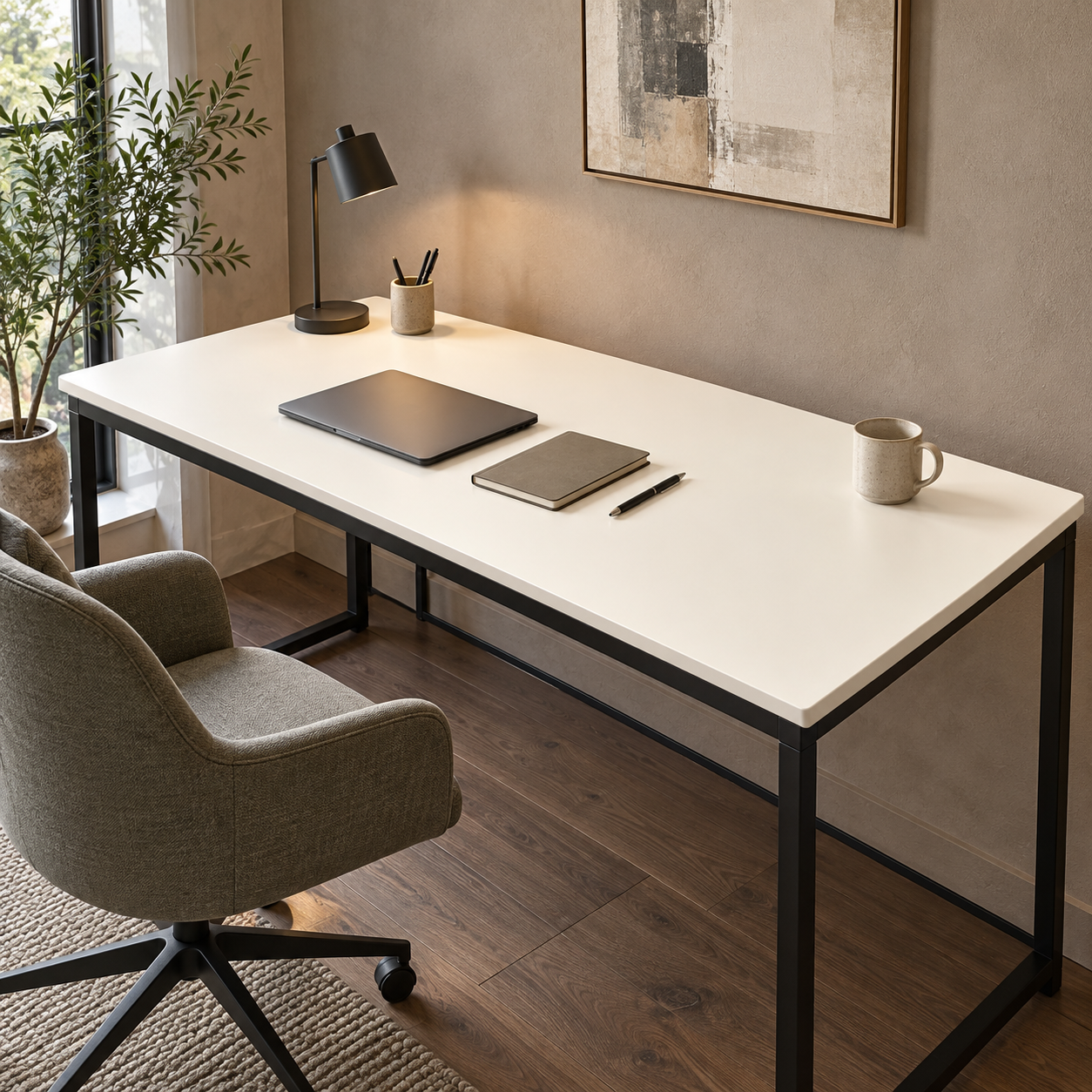
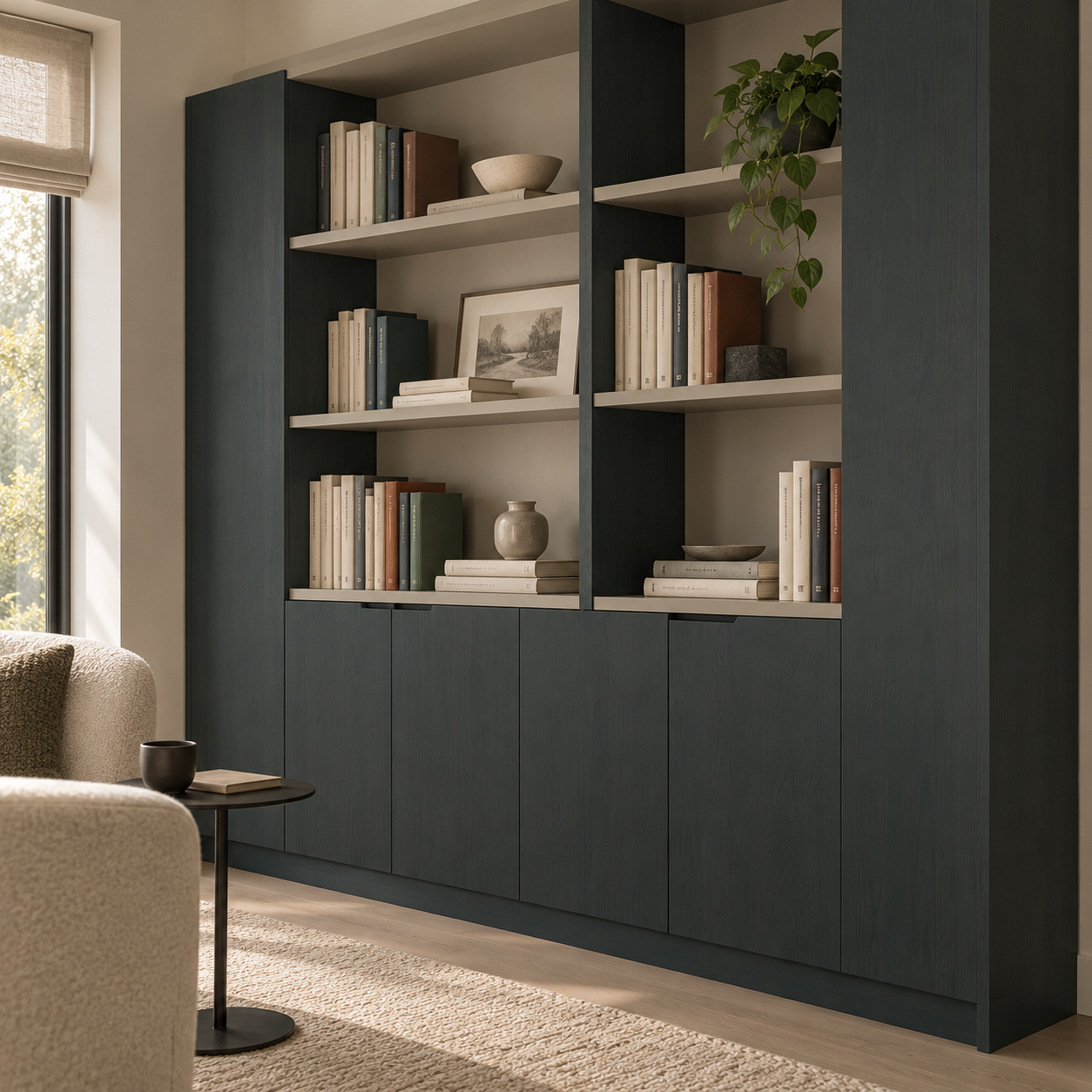
Transitional design represents the delicate balance between traditional warmth and modern clean lines. A subtle faux panel featuring gentle veining bridges this gap flawlessly. When used as an architectural backdrop in a dining room or a sophisticated home office, the panels provide classic elegance. They satisfy traditional tastes while maintaining the crisp, uncluttered profile demanded by contemporary styling.
Creative Ways to Incorporate Wall Cladding in Your Home
Understanding the technical benefits is only half the equation. Knowing exactly where these panels fit into residential layouts is essential for project planning. Here are actionable, inspiring applications for engineered Wall Cladding.
The Living Room Feature Wall
The most impactful way to utilize these panels is by creating a commanding focal point in the living room. Installing them on the wall behind a television or wrapping them around a fireplace insert adds immediate depth. Running a hand along the rugged texture of a faux-slate chimney breast provides immediate tactile feedback. This level of architectural ambiance is now achievable in a single weekend. Because the panels are typically treated for fire resistance, they provide a safe, stunning backdrop that grounds the entire living space.
Kitchen Backsplashes and Island Wraps
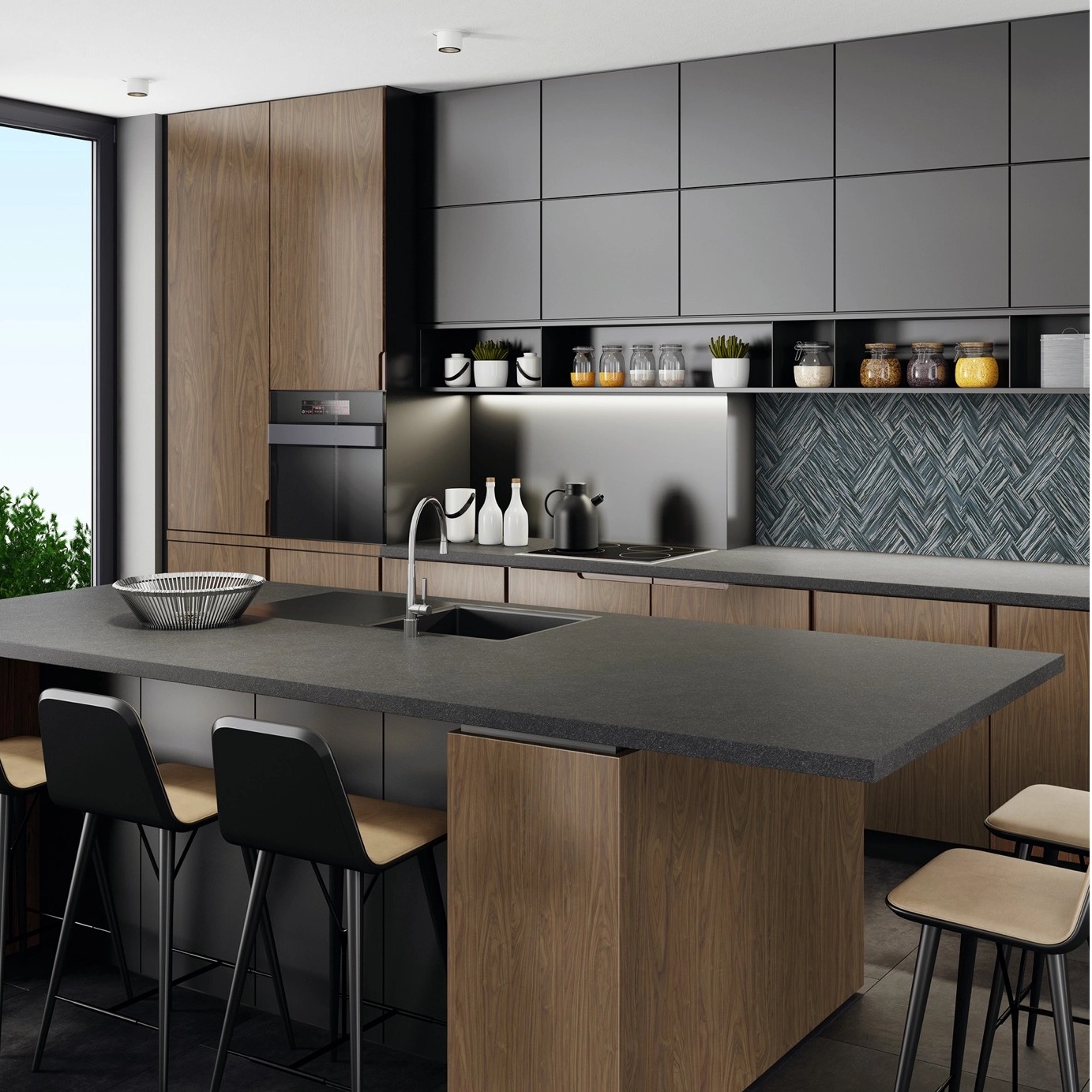
Culinary spaces demand materials that are as functional as they are beautiful. Using textured surfaces for kitchen backsplashes or wrapping the base of a kitchen island introduces a high-end masonry look. The practical benefits here are significant. Engineered panels are typically non-porous. They resist cooking splatters, grease, and moisture far better than unsealed natural stone. You can wipe them clean with standard household cleaners, keeping the kitchen pristine with minimal effort.
Spa-Like Bathroom Retreats
Bathrooms are rapidly evolving into personal wellness sanctuaries. You can use large-format panels to mimic high-end granite or travertine across bathroom walls. This fosters a relaxing, spa-like atmosphere. Because many of these engineered boards are inherently moisture-resistant, they prevent the common issues of water damage and mold associated with traditional porous materials. You must always check manufacturer specifications regarding direct water exposure in shower enclosures to ensure proper waterproofing.
Bedroom Accent Walls
To add a luxurious, boutique-hotel feel to a primary bedroom, consider applying textured panels on the wall directly behind the headboard. This introduces a tactile element that contrasts beautifully with soft bedding and upholstered furniture. Specifically, a dark, moody grain creates an intimate environment, while a light, bright marble finish makes the bedroom feel expansive and airy.
Commercial Interiors: Why Designers Choose Engineered Panels
Beyond residential applications, professional architects and commercial designers heavily rely on engineered panels for large-scale projects. The demands of commercial environments require materials that balance aesthetic impact with rigorous operational efficiency.
Lobbies and Reception Areas
First impressions are critical in corporate environments. Designing a high-end corporate identity often requires luxurious finishes in reception areas. Faux stone panels allow businesses to achieve the imposing, permanent look of a marble-clad reception desk on a strict budget. The realistic finish conveys stability and success to visiting clients without depleting the interior fit-out budget.
Restaurants and Retail Spaces
In the hospitality and retail sectors, time is directly tied to revenue. Fast installation times mean less business downtime during renovations. Instead of shutting down a bustling cafe for a month-long masonry overhaul, contractors mount these panels rapidly over existing substrates. This allows a restaurant to completely refresh its interior over a single weekend. Furthermore, the durability and ease of maintenance in these high-traffic zones ensure the walls remain pristine despite constant customer interaction.
Natural Stone vs. Engineered Panels: A Contractor's Comparison
For buyers at the decision stage, justifying the purchase requires a clear, objective comparison between traditional masonry and modern engineered alternatives.
Feature | Authentic Natural Stone | Engineered Panels |
|---|---|---|
Weight & Structure | Extremely heavy; requires reinforced steel substrates and specialized framing. | Lightweight; mounts directly over standard interior drywall with construction adhesive. |
Cost Breakdown | High material costs plus expensive, specialized masonry labor. | Lower material costs; rapid installation yields a massive Return on Investment. |
Consistency & Yield | Unpredictable color variations, natural flaws, and high material waste. | Predictable, flawless patterns with exact color matching and minimal unusable waste. |
Maintenance | Highly porous; requires specialized cleaners and frequent chemical sealing. | Non-porous surface; wipes clean instantly with mild soap and water. |
Weight & Structural Requirements: The most limiting factor of natural rock is its mass. It absolutely requires heavy-duty substrates and structural engineering. Conversely, engineered panels are designed for lightness, allowing for secure installation on standard drywall using basic construction adhesives and brad nails.
Cost Breakdown: When factoring in extraction, shipping, and specialized masonry labor, real stone is a massive capital expenditure. Engineered panels offer a high ROI by drastically reducing both material costs and the billable hours required for installation.
Maintenance: Real stone is inherently porous and requires regular sealing to prevent permanent staining. Faux stone panels are typically non-porous, highly resistant to stains, and wipe clean easily, ensuring long-term aesthetic stability on the job site.
Engineering Selection Guide: The Prima Stone Advantage
When specifying materials for a commercial build or a high-end residential remodel, standard faux finishes fall short. You need architectural-grade specifications. The Prima Stone series represents the peak of engineered wall upgrades.
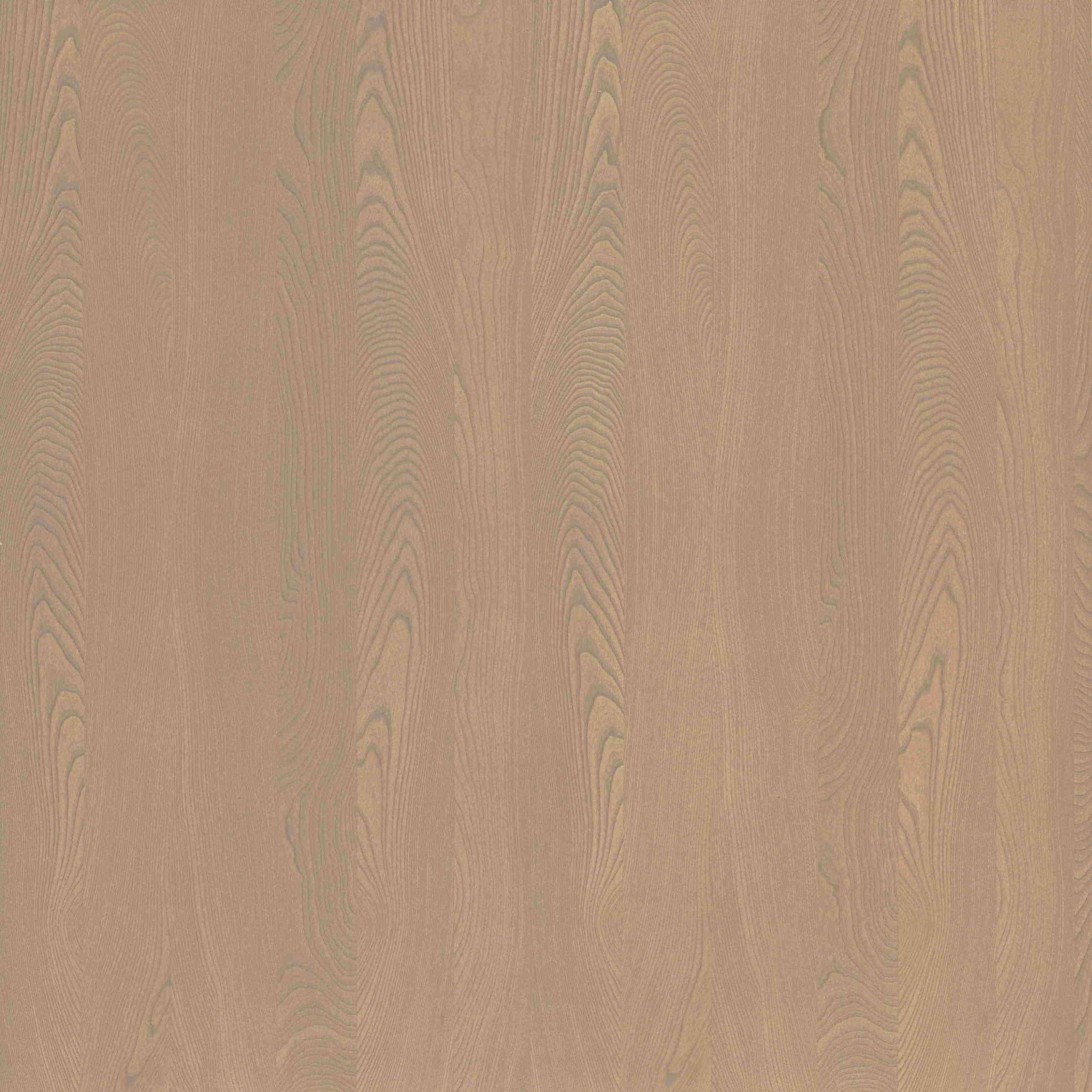
Let us look at the technical parameters that matter on the job site. Take the CKB053 Moon Light model as a prime example. This specific profile offers a highly refined, light-toned mineral aesthetic ideal for contemporary spaces. More importantly, it delivers on performance. The panels feature a high-density core that resists impact in high-traffic zones. They are engineered for dimensional stability, meaning they will not warp or expand under normal indoor temperature fluctuations.
From a contractor's perspective, the uniform thickness and precision-cut edges allow for seamless joining. You eliminate the messy mortar beds and unpredictable grout lines associated with real stone. For buyers, choosing a verified Stone Grain Panel means securing a product with a resilient topcoat that resists fading, scratching, and daily wear.
Installation and Maintenance: Frontline Site Tips
One major advantage of these panels is the rapid installation process. This drastically reduces project timelines and labor costs.
Ease of Installation: The step-by-step process is incredibly fast for professional contractors and highly accessible for ambitious homeowners. You simply measure, cut to size, and apply a high-quality polyurethane construction adhesive to the back. A few concealed mechanical fasteners hold the panel firmly in place while the adhesive cures.
Tools Required: Unlike authentic stone, you do not need expensive wet saws or diamond blades. You can manipulate these engineered boards using standard woodworking tools. A basic circular saw or jigsaw equipped with a fine-tooth blade slices cleanly through the composite material. A tape measure, a level, and a caulking gun are all you need to complete a professional-grade installation.
Care Guide: Maintenance is equally straightforward. To ensure longevity, wipe the surface using mild soap and warm water with a soft microfiber cloth. Avoid harsh chemical abrasives or stiff wire brushes. These aggressive tools can compromise the protective clear coat and dull the finish over time.
Conclusion
Engineered panels are a versatile, stunning, and highly practical addition to any interior space. They provide the perfect marriage of natural beauty and modern engineering. By eliminating the heavy lifting, high costs, and tedious maintenance of traditional masonry, you can transform your interiors efficiently.
Ready to upgrade your next commercial or residential project? Stop wrestling with heavy, expensive stone. Visit GC Panels to explore the full Prima Stone series, including the striking CKB053 Moon Light collection. Contact our technical design team today to secure the right specifications and bring your architectural vision to life.
FAQ
Are stone grain panels waterproof and suitable for bathrooms?
Yes, many high-quality panels are manufactured to be highly moisture-resistant, making them an excellent choice for bathroom walls. They do not absorb ambient humidity like traditional porous stone. However, it is crucial to check the specific product specifications provided by the manufacturer before installing them in direct water-contact zones, such as inside a shower enclosure, to ensure the specific panel line is rated for total water immersion.
Can I install an engineered panel over existing wallpaper or tile?
Generally, yes. As long as the existing surface is flat, clean, dry, and structurally sound, these panels can be installed directly over it using the appropriate construction adhesives. This capability is a massive advantage for renovation projects. It completely eliminates the messy, time-consuming, and expensive demolition phase typically required when updating older wall treatments.
How do modern panels compare to traditional faux stone veneer?
Premium lines represent the next generation of engineered materials. Older traditional faux stone veneers were often made from bulky, hollow-sounding plastics that looked artificial up close. Modern panels offer a much more refined, seamless surface. They feature superior structural durability, a denser core, and a highly realistic high-definition surface grain that perfectly mimics the microscopic details of natural rock.
Do these panels help with interior insulation or soundproofing?
While they are designed and marketed primarily for their aesthetic appeal, the inherent physical properties of the panels offer secondary benefits. The added layer of dense cladding material on your walls can provide a slight boost to acoustic dampening, reducing echo within large rooms. Additionally, they offer a marginal improvement to thermal insulation, helping to stabilize room temperatures by adding mass to the wall assembly.
Are stone grain panels fire-resistant?
High-quality engineered panels often come with specific fire ratings suitable for interior applications. While they are treated to resist flame spread, you must always verify the exact fire class rating with the manufacturer, especially for commercial builds subject to strict building codes.
How long do engineered stone surfaces last indoors?
When installed correctly in a climate-controlled interior, these panels offer exceptional longevity. The durable topcoat and high-density polymer core prevent the cracking and spalling common in natural stone. With basic routine cleaning, they will maintain their structural integrity and visual appeal for decades.