Are you standing in the middle of a dusty renovation site, struggling to select the right building materials? Balancing aesthetics, long-lasting durability, and a strict budget often feels like an impossible puzzle. When outfitting a new kitchen or designing commercial office spaces, the sheer volume of material choices can be overwhelming.
Fortunately, a Melamine Faced Panel offers a cost-effective, versatile solution that bridges this gap perfectly. In this comprehensive guide, you will discover the core benefits of these engineered boards. We will explore practical real-world applications and learn exactly how they stack up against traditional wood products from an engineering perspective.
Key Takeaways
Unmatched Value: These engineered boards offer an objective balance of affordability and premium aesthetics, making them a practical choice for budget-conscious yet style-focused architectural projects.
High Durability: Thanks to their resin-infused exterior, these sheets demonstrate quantifiable resistance against daily scratches, thermal stress, and standard household stains.
Versatile Applications: They serve as an optimal structural and aesthetic material for kitchen cabinets, bedroom wardrobes, commercial office furniture, and general architectural cladding.
Easy Selection: Choosing the correct product requires a clear understanding of the underlying core material, such as MDF, particleboard, or plywood, and selecting the appropriate thickness for specific load-bearing requirements.
Industry Trends: The Shift Toward Engineered Composites
Before diving into the technical specifications, it is crucial to understand current market dynamics. Recent industry data reveals a massive shift in commercial and residential construction toward pre-finished engineered materials. As supply chain volatility and sustainability concerns impact the availability and pricing of solid hardwoods, builders are rapidly pivoting. Analysts note that the global demand for resin-infused boards is surging. This shift is driven by the need for predictable, eco-friendly, and highly consistent building materials in modern urban developments. It is not just about saving money. It is a strategic move toward smart, scalable, and sustainable construction.
What Exactly is a Melamine Faced Panel?
The Anatomy of the Board
To truly understand the performance of these materials, one must first look at their structural anatomy. A standard sheet is not a single piece of timber. It is an engineered composite. It consists of a rigid core material, typically industrial-grade particleboard, medium-density fiberboard, or high-quality plywood.
During the manufacturing process, a layer of specialized Kraft paper is impregnated with thermosetting melamine resin. This resin-saturated paper is then applied to the raw core material under extreme heat, often exceeding 300 degrees Fahrenheit, and intense pressure ranging between 300 to 500 PSI. Consequently, this thermofusing process permanently bonds the layers. It creates a unified, highly stable sheet that resists delamination under normal indoor conditions.
The Role of the Decorative Surface
The outermost layer of the board serves a crucial dual purpose. It provides structural protection and visual appeal. As the melamine resin cures, it transforms into a hard, non-porous shield that protects the vulnerable wood core from external damage. Simultaneously, the underlying printed paper acts as a vibrant Decorative Surface.
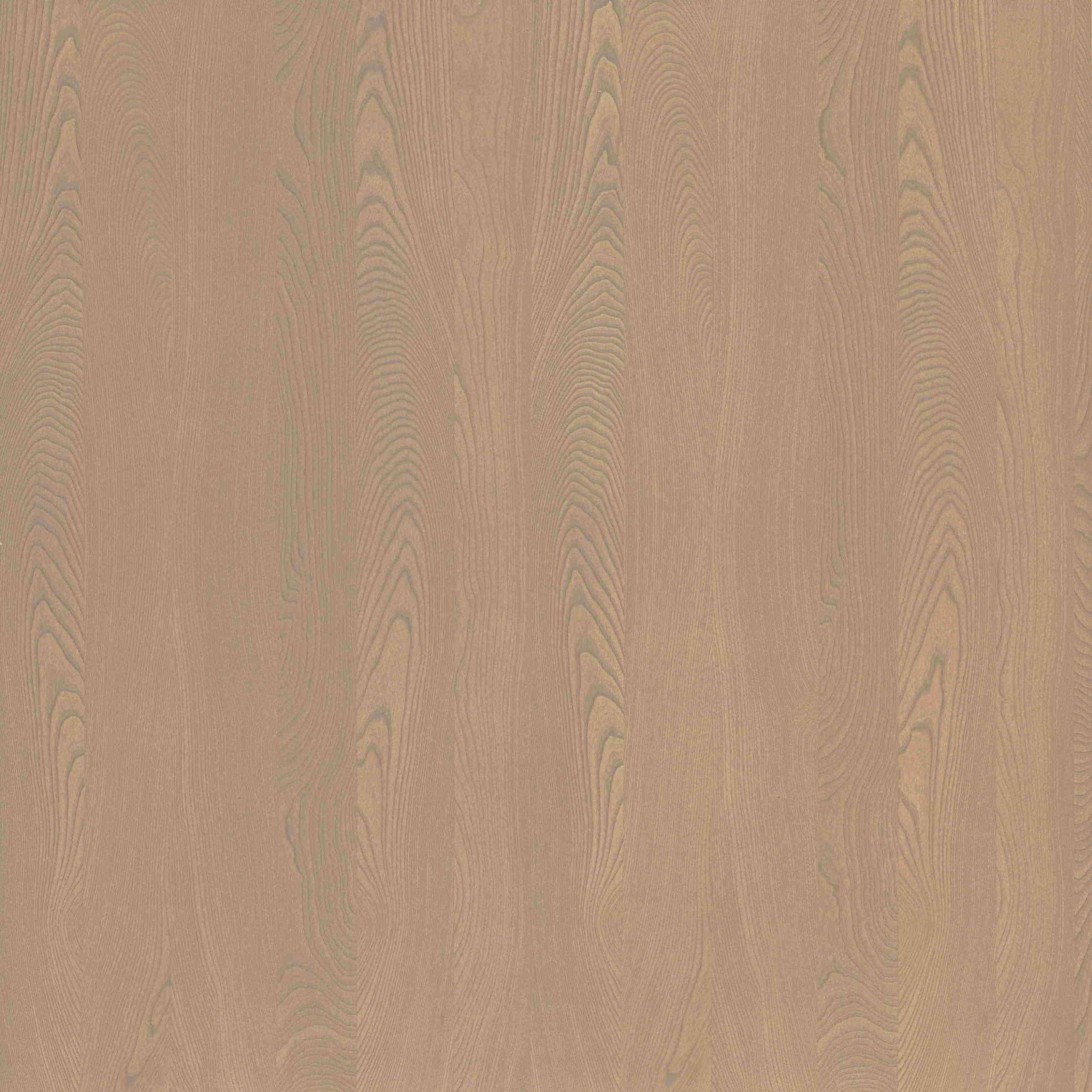
Because this exterior is essentially a high-definition print sealed beneath a clear resin, the design possibilities are virtually limitless. Take the CKB-100 Premium White finish as a prime example. This specific product line demonstrates how advanced manufacturing achieves a flawless, fade-resistant, and crisp aesthetic that modern commercial spaces demand. Furthermore, manufacturers can produce sheets that accurately mimic complex wood grains, solid colors, matte finishes, and high-gloss modern textures.
Eco-Friendly and Safe
Modern engineered wood products are subject to strict environmental and health regulations. High-quality resin-infused panels are manufactured to meet rigorous indoor air quality standards. These include the European E0 or E1 emission standards, as well as the EPA TSCA Title VI and California Air Resources Board Phase 2 regulations in the United States.
These certifications ensure that formaldehyde emissions from the core adhesives are kept to absolute minimums. As a result, the materials are entirely safe for residential use, including in bedrooms and enclosed kitchen spaces. By utilizing recycled wood fibers and fast-growing timber for their cores, they are widely considered a more sustainable option than harvesting old-growth solid hardwoods.
Top Advantages: Why Are These Boards So Popular?
Exceptional Wear Resistance
One of the most significant empirical benefits of this material is its physical durability. When the resin undergoes its chemical curing process, it cross-links to form an incredibly dense, non-porous barrier. This chemical transformation grants the panel exceptional Wear Resistance.
In standardized laboratory abrasion tests, thermofused melamine consistently outperforms traditional wood veneers and standard painted surfaces. It easily withstands micro-scratches from sliding laptops or kitchen utensils. It remains immune to damage from moderate heat like a hot coffee mug. Specifically, it repels common household stains including wine, cooking oil, and ink. The slick nature of the finish means liquids cannot easily penetrate, preventing deep structural staining.
Low Maintenance and Easy Cleaning
Unlike natural solid wood, which demands a strict regimen of sanding, sealing, oiling, and periodic refinishing to maintain its integrity, this is a fully finished product. It requires zero post-installation chemical treatments. Imagine outfitting an entire commercial office. The last thing facility managers want is high-maintenance furniture.
Maintaining the surface is purely a matter of basic hygiene. A simple wipe-down with a damp microfiber cloth and a mild, non-abrasive detergent is sufficient to keep the cabinets looking factory-new for decades. This low-maintenance characteristic is a primary reason why commercial property managers and busy homeowners heavily favor this material.
Color Consistency
Natural wood is inherently unpredictable. If you order twenty solid oak cabinet doors, you will receive twenty distinct grain patterns and slight color variations due to the natural growth process of the tree. While some desire this rustic variation, it can be highly problematic for modern, seamless interior designs.
In contrast, manufactured boards guarantee absolute color consistency. Because the visual layer is printed in controlled batches, a sheet manufactured today will perfectly match a counterpart from the same product line manufactured months later. This uniformity is crucial for large-scale home decoration projects and commercial fit-outs where visual consistency across expansive cabinetry is strictly required.
Melamine Faced Panels vs. Other Materials: A Cost Comparison & Performance Review
To make an informed purchasing decision, it is essential to evaluate how these sheets stack up against alternative building materials. A detailed Cost Comparison reveals significant differences in upfront investment and long-term value. Below is a quick engineering reference guide to help you choose the right substrate.
Material | Relative Cost | Scratch & Stain Resistance | Best Engineering Application |
|---|---|---|---|
Melamine Panel | Low to Medium | Excellent | Cabinet boxes, office desks, flat-panel doors |
Raw Plywood | Medium to High | Low prior to finishing | Heavy load-bearing structures, subfloors |
Raw MDF | Low | Poor without paint | Intricate routing, painted custom built-ins |
Solid Wood | Very High | Moderate requires sealing | Heirloom furniture, structural timber framing |
Melamine vs. Plywood
Plywood is renowned for its excellent structural strength and screw-holding capacity, derived from its cross-laminated wood veneer construction. However, raw plywood requires extensive labor to sand, stain, and seal before it is aesthetically presentable in a living space.
Melamine-faced plywood bridges this gap beautifully. By applying a thermofused surface directly onto a plywood core, builders achieve the best of both worlds. You gain the superior structural integrity and moisture resistance of plywood, combined with the ready-to-use, scratch-resistant aesthetic of a finished board. This specific combination is highly favored for premium kitchen sink bases and heavy-duty shelving.
Melamine vs. MDF
Raw MDF is a fantastic material for shaping and routing because of its uniform density and lack of wood grain. Yet, to use MDF in a finished project, it must be meticulously primed and painted, or covered with a wood veneer. These secondary processes significantly inflate labor costs and extend project timelines.
A pre-finished MDF board eliminates these secondary steps entirely. The material arrives ready to cut and install. When analyzing the total project budget, the labor savings achieved by skipping the painting process make this a far more economical choice for flat-panel cabinet doors and modern shelving units.
Melamine vs. Solid Wood
Solid wood remains the traditional gold standard for heirloom furniture, but it comes with a massive price premium and distinct physical vulnerabilities. Solid timber reacts constantly to environmental changes. It expands in high humidity and contracts in dry winter air, which can lead to warping, bowing, or cracking over time.
Engineered cores provide a highly stable, budget-friendly alternative. They do not warp under standard indoor climate fluctuations, and they are impervious to termite damage. For buyers who want the visual warmth of wood without the high cost and maintenance liabilities, wood-grain melamine is the logical, evidence-based choice.
Best Applications: When Should You Choose These Materials?
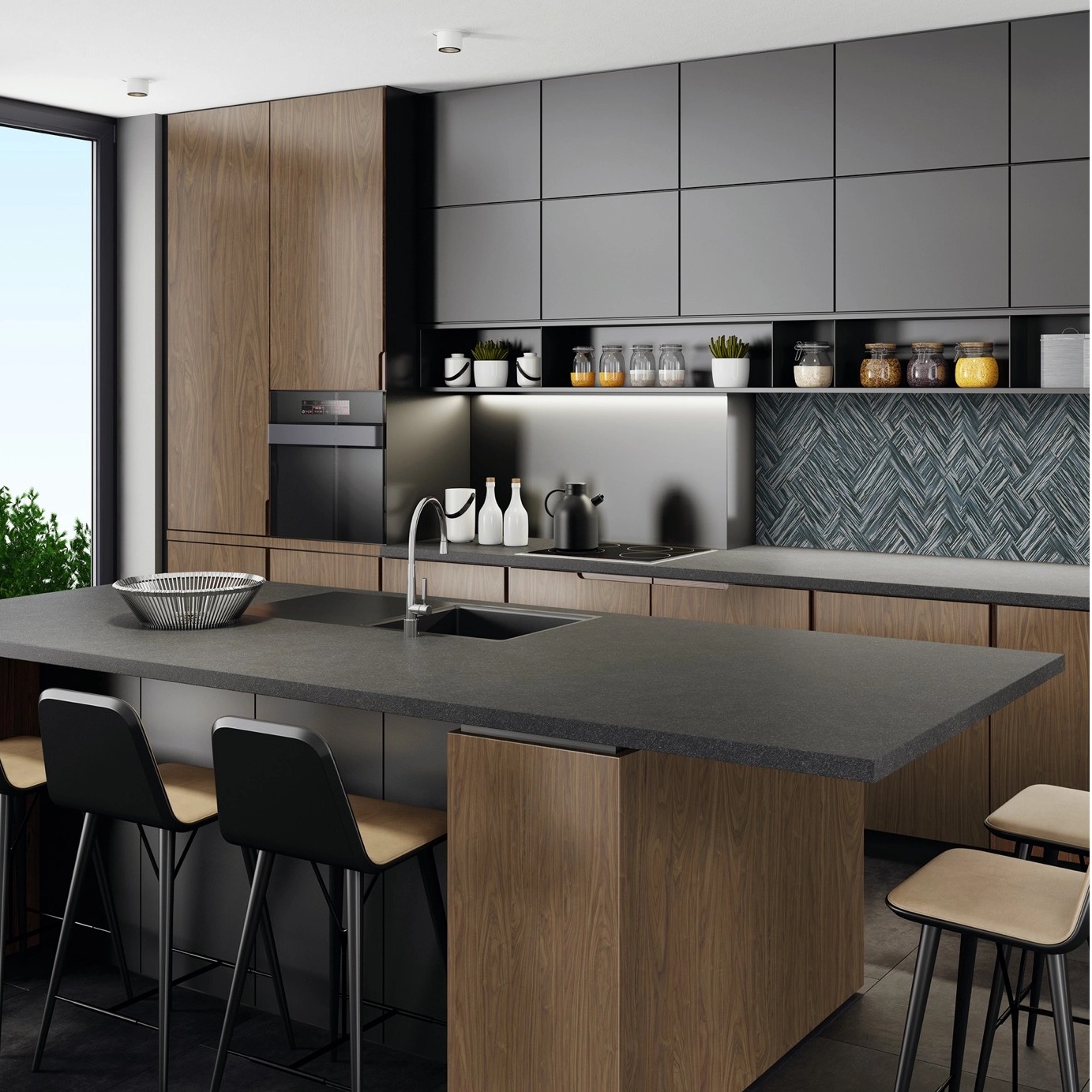
Kitchen and Bathroom Cabinetry
These engineered sheets are the undisputed industry standard for manufacturing cabinet carcasses, which are the interior boxes of the cabinets. The smooth, wipeable exterior makes it incredibly easy to clean away food spills, grease, and dust.
Because kitchens require a large volume of sheet goods to construct all the necessary storage, the cost-effectiveness of this material allows homeowners to stretch their renovation budgets further. For bathroom vanities, as long as the edges are properly sealed with high-quality polyurethane edge banding, the surface will easily repel water splashes from the sink.
Wardrobes and Closet Organizers
When designing bedroom furniture and walk-in closets, the interior texture of the material is just as important as its structural strength. Rough wood grains or poorly sanded plywood can easily snag delicate clothing items like silk shirts or knitwear.
These boards provide a perfectly smooth, snag-free environment for clothing storage. Additionally, the bright white or light wood-grain finishes commonly used in closets help reflect ambient light, making it much easier to see and organize garments in enclosed spaces.
Office Furniture and Commercial Fit-Outs
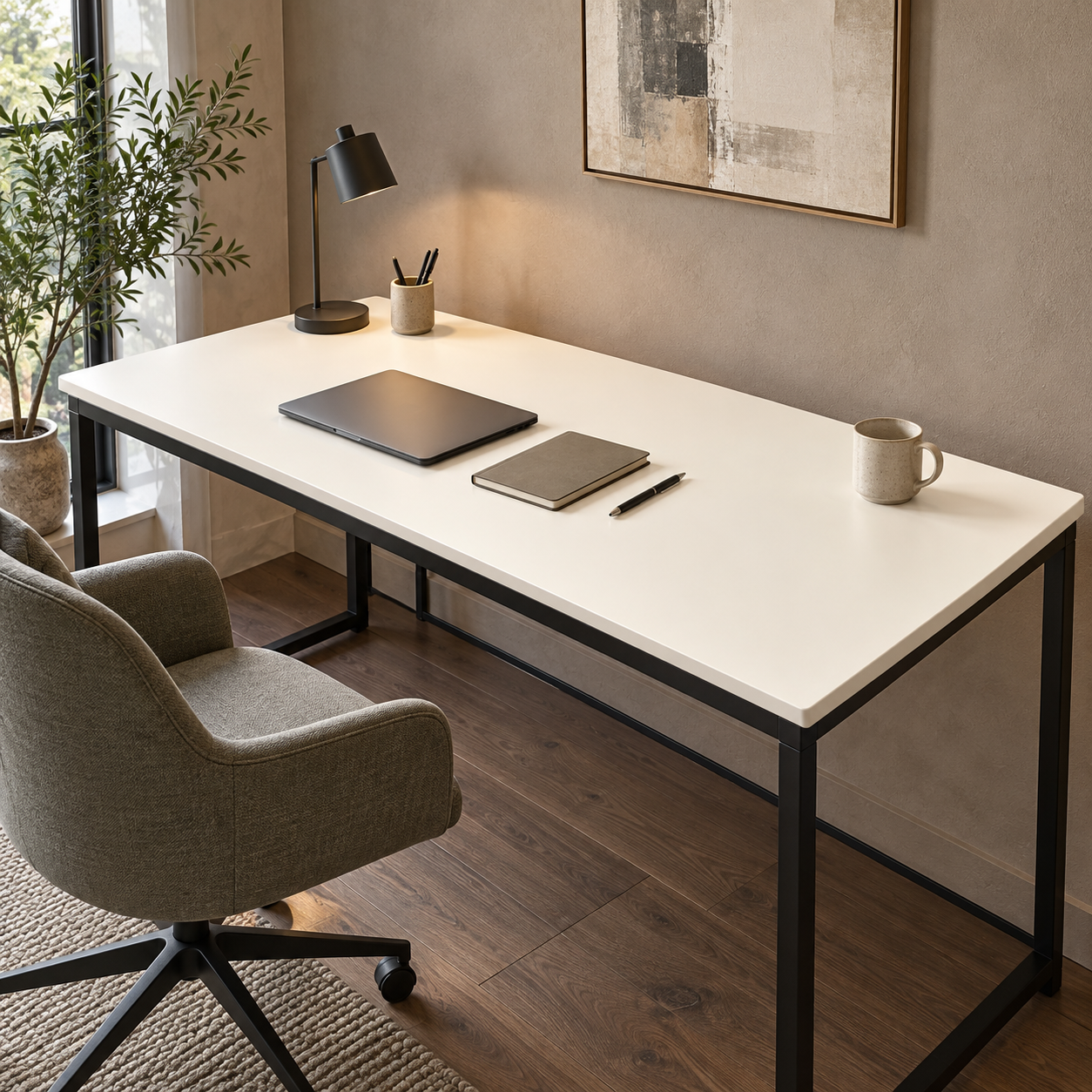
Commercial environments demand materials that can withstand heavy, continuous use. Desks, conference tables, and shelving units in an active office are subjected to sliding hardware, spilled coffee, and constant friction from office chairs.
Because of its superior surface hardness, this is the primary material used in commercial workstations. It maintains a crisp, professional appearance for years under high-traffic conditions without requiring the costly refinishing that solid wood desks would eventually need.
Wall Paneling and Home Decoration
Beyond standard furniture fabrication, architects and interior designers frequently utilize melamine as a decorative Interior Board for wall cladding.
Installing large-format sheets on living room or lobby walls is an efficient way to achieve a modern, minimalist, or industrial aesthetic. Because the boards are pre-finished, installation is rapid and completely avoids the mess, odors, and curing times associated with painting or staining traditional drywall.
When Should You AVOID Using Melamine Panels?
High-Moisture or Outdoor Environments
While the exterior resin itself repels water, the engineered wood core beneath it remains vulnerable. If standing water is allowed to seep into the unsealed edges or deep scratches of a standard particleboard core, the wood fibers will absorb the moisture and permanently swell.
Therefore, standard boards should never be used for outdoor furniture, exterior cladding, or in areas subjected to direct, continuous water exposure like inside a shower enclosure. If you must use it in a damp environment, specify a moisture-resistant core and ensure flawless edge banding application.
Heavy Structural Load-Bearing
Standard sheets, particularly those with a basic particleboard core, possess excellent compressive strength but limited tensile strength. Over time, a long, unsupported span will begin to sag under heavy weight.
You should avoid using standard 15 millimeter particleboard for heavy-duty garage shelving or bookshelves spanning more than 30 inches without center supports. For heavy load-bearing applications, it is scientifically sound to upgrade to a thicker plywood core, which offers much higher resistance to deflection.
How to Pick the Right Board for Your Project
Choosing the Right Core Material
Selecting the correct core is the most critical technical decision in your purchasing process. Particleboard is ideal for standard cabinetry, budget-friendly furniture, and vertical applications where extreme weight is not a factor. It is lightweight and highly cost-effective.
Opt for an MDF core when you need a perfectly smooth surface for flat-panel doors, or if you plan to do minor edge profiling, as it is denser and heavier. Finally, select a plywood core for premium projects requiring maximum structural durability, high moisture resistance, and superior screw-holding power.
Understanding Thickness Options
These materials are manufactured in a variety of standard thicknesses, each suited to specific engineering tasks. Thinner boards, ranging from 12 millimeters to 15 millimeters, are best utilized for drawer bottoms, cabinet backings, and lightweight interior dividers.
The 18 millimeter thickness, roughly three-quarters of an inch, is the global industry standard for structural cabinet boxes, doors, and standard shelving. It provides the optimal balance of weight, cost, and structural rigidity. Use extra-thick panels, 25 millimeters and above, for heavy-duty office desktops, premium floating shelves, and commercial display fixtures where visual heft and maximum load-bearing are required.
Inspecting Edge Banding Quality
A manufactured board is only as durable as its edges. Because cutting the panel exposes the raw wood core, these edges must be sealed using edge banding. This is a strip of PVC, ABS, or wood veneer applied with hot-melt adhesive.
When evaluating a finished product or planning a DIY project, ensure the edge banding is applied flawlessly. A tight, seamless edge prevents moisture ingress and protects the brittle edges of the paper from chipping upon impact. Polyurethane adhesives are highly recommended for edge banding in kitchens and bathrooms due to their superior waterproofing properties.
Maintenance Tips to Preserve Your Decorative Surface
Maintaining the structural and aesthetic integrity of your installation requires specific, evidence-based care protocols. While the resin-infused exterior provides excellent durability, improper handling can degrade the material over time. Implementing a standardized maintenance routine ensures the longevity of your investment, preventing premature wear and costly replacements.
Daily Cleaning Routine
The primary goal of daily maintenance is to remove particulate matter and prevent stain accumulation without compromising the protective layer. Because the exterior is non-porous, dirt and spills remain on the surface rather than penetrating the core.
For routine cleaning, utilize a soft microfiber cloth dampened with warm water and a mild, pH-neutral detergent. Microfiber is scientifically recommended because its fine synthetic fibers trap dust particles without creating microscopic scratches on the resin. After wiping down the area, immediately dry the surface with a separate clean cloth. Residual moisture, especially near joints or edge banding, can eventually penetrate the substrate via capillary action, causing localized swelling.
What to Avoid
Despite its high durability, the resin surface is not invincible. To prevent premature chemical or mechanical degradation, strictly avoid acidic or highly alkaline solutions. Bleach, ammonia, and abrasive scouring powders can chemically etch the surface, dulling the finish and reducing its protective capabilities.
Furthermore, steel wool, stiff-bristled brushes, and heavy-duty scouring pads will inflict permanent mechanical damage, ruining matte or gloss textures. Always use trivets or heat-resistant mats, as placing hot pots directly on the surface can cause the thermoset resin to blister or crack.
Fixing Minor Chips
Accidental impacts can occasionally chip the edges of your cabinetry. Fortunately, minor damage is repairable, which prevents further moisture ingress and restores visual appeal. First, clean the area with diluted isopropyl alcohol to remove any dirt or oils.
For edge damage, cut a piece of pre-glued edge banding tape slightly longer than the damaged area. Apply heat using a standard household iron on a medium setting to activate the adhesive, then press firmly with a wooden block. Once cooled, use an edge trimmer to remove excess tape. For surface scratches, utilize specialized touch-up markers or wax fill sticks color-matched to your specific finish. Apply the wax into the scratch, level it with a plastic scraper, and buff gently.
Troubleshooting Common Surface Issues
Delamination occurs when the edge banding separates from the core substrate. This is typically caused by localized heat exposure, such as placing a toaster oven directly beneath an upper cabinet, or prolonged moisture ingress. If the edge banding is intact but loose, it can often be re-adhered using a specialized contact adhesive or cyanoacrylate-based woodworking glue.
Additionally, because the core is a wood composite, screws holding hinges or drawer slides can sometimes strip out if over-tightened. Do not simply use a larger screw, as this can split the core. Instead, remove the hardware, drill out the stripped hole slightly, and glue in a hardwood dowel using PVA wood glue. Once cured, cut the dowel flush and drill a new pilot hole to restore structural integrity.
Long-Term Environmental Considerations
Beyond direct cleaning, environmental factors play a crucial role in preservation. Consistent indoor humidity levels, ideally between 40 percent and 60 percent, prevent the underlying wood composite core from expanding or contracting excessively, which can stress the resin bond. While modern panels are manufactured with UV inhibitors, minimizing direct, prolonged sunlight exposure helps maintain color consistency over decades of use.
Conclusion
Choosing the right materials dictates the long-term success of any interior build. As the engineering evidence shows, opting for these pre-finished boards is a highly logical decision. They offer an excellent balance of cost and durability, resisting scratches and stains far better than traditional painted surfaces.
If you are ready to elevate your next architectural project with reliable, high-performance materials, exploring the right specifications is your next step. Visit https://www.gcpanels.com to discover a comprehensive range of premium boards, including the highly sought-after CKB-100 Premium White series, and find the perfect match for your specific structural and aesthetic requirements. With basic care and smart planning, your installation will remain pristine for years to come.
FAQ
Is a melamine faced panel waterproof?
The objective answer is no. They are highly water-resistant but not entirely waterproof. The exterior resin layer creates a non-porous shield that effectively repels liquid, preventing immediate absorption. However, the structural vulnerability lies in the core material and the edge banding seams. If standing water is allowed to pool and breach the microscopic gap between the edge tape and the board, the wood composite core will absorb the moisture via capillary action, leading to irreversible swelling. For environments with high humidity, specifying a moisture-resistant core is imperative.
How does a melamine faced panel differ from laminate?
While both materials serve similar aesthetic functions, they differ fundamentally in their manufacturing processes and structural applications. Melamine is created using a Low-Pressure Laminate process, where a single decorative paper layer impregnated with resin is thermally fused directly onto the composite wood substrate. Conversely, High-Pressure Laminate involves fusing multiple layers of kraft paper under extreme pressure to create a separate, rigid sheet that must be subsequently bonded to a substrate using contact adhesives. High-Pressure Laminate offers superior impact resistance for heavy-duty countertops, while Low-Pressure Laminate is ideal for standard cabinetry.
Can I paint over a melamine interior board?
Yes, painting over these boards is possible, but it requires strict adherence to proper surface preparation. The slick, non-porous nature of the resin makes it incredibly difficult for standard architectural paints to adhere. To achieve a durable finish, you must first de-gloss the surface by lightly abrading the entire area using 120-grit to 150-grit sandpaper. After removing all dust, apply a high-quality bonding primer specifically formulated for glossy surfaces. Once the primer has fully cured, you can apply a premium acrylic or alkyd topcoat.
What is the most common thickness for melamine cabinets?
For professional cabinet fabrication, the 18 millimeter thickness is universally recognized as the industry standard. This thickness provides the optimal balance between structural integrity, screw-holding capacity, and overall weight. An 18 millimeter board can comfortably support the load of heavy dishes or pantry items without sagging over standard span widths. Thinner options, such as 15 millimeters or 16 millimeters, are sometimes utilized in budget-conscious flat-pack furniture but offer reduced rigidity.
Is melamine safe for indoor air quality?
Yes, when sourced from reputable manufacturers, these products are entirely safe for residential and commercial indoor environments. Modern manufacturing processes are heavily regulated. Today's high-quality panels comply with stringent global emission standards, such as the California Air Resources Board Phase 2, the EPA TSCA Title VI, or the E0 and E1 standards in Europe and Asia. These certifications mandate that formaldehyde emissions are kept at trace levels, comparable to what occurs naturally in the environment.
How do these panels perform in a cost comparison with real wood veneer?
When conducting a rigorous cost analysis, manufactured resin panels consistently emerge as the more economical choice, often costing 30 percent to 50 percent less than equivalent real wood veneer products. This price differential stems from lower raw material costs and highly automated manufacturing processes. Furthermore, wood veneers require labor-intensive finishing and ongoing maintenance, whereas resin-fused boards arrive pre-finished, eliminating secondary labor costs and maximizing long-term return on investment.
What determines the wear resistance of these decorative surfaces?
The exceptional wear resistance is a direct result of the chemical curing process. During manufacturing, the resin-impregnated paper is subjected to temperatures exceeding 300 degrees Fahrenheit. This heat triggers a polymerization reaction, transforming the liquid resin into a hard, thermoset plastic that is permanently bonded to the substrate. The resulting surface is highly cross-linked at the molecular level, creating a dense barrier that resists abrasion, chemical degradation, and thermal stress far better than traditional painted finishes.
Can these panels be used in outdoor environments?
No. It is strongly advised against using these panels for exterior applications. The core materials are engineered strictly for climate-controlled indoor environments. Exposure to rain, morning dew, or extreme fluctuations in outdoor humidity will inevitably compromise the core, causing severe swelling, delamination, and structural failure. Even panels manufactured with moisture-resistant cores are designed only to withstand temporary indoor spills, not continuous outdoor weathering.
How long do melamine cabinets typically last?
When installed correctly and maintained according to standard protocols, these cabinets can easily last 15 to 20 years. The lifespan heavily depends on the quality of the edge banding and the surrounding environment. Keeping the boards away from standing water and excessive heat ensures the resin surface remains intact and the core stays structurally sound for decades.
Can you cut melamine boards without chipping the edges?
Yes, but it requires specific tooling. Standard wood blades will shatter the brittle resin surface. To achieve a clean cut, professionals use a table saw equipped with a high-tooth-count blade designed specifically for laminates, often combined with a scoring blade. For DIY projects, applying masking tape over the cut line and feeding the material slowly can significantly reduce the risk of chipping.