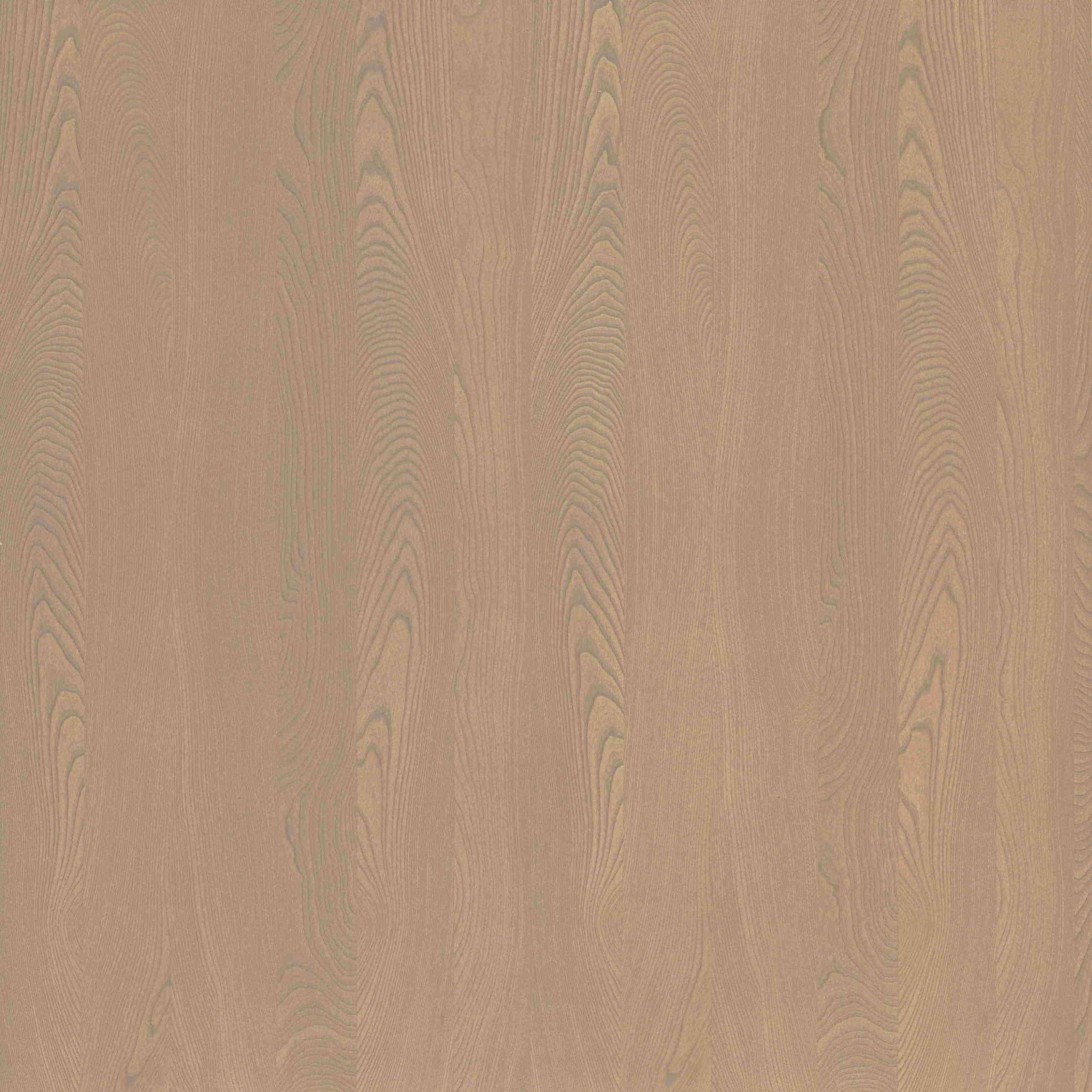
Natural wood textures dominate modern kitchen and bathroom designs today. They bring organic warmth to spaces that once felt sterile and cold. However, the prospect of building new cabinetry or tackling a comprehensive refacing project often feels overwhelming. Buyers face a barrage of technical jargon. They struggle to decipher core materials, specific sizing requirements, and complex log-slicing methods.
In this technical guide, you will learn to specify architectural materials clearly and confidently. We will break down everything you need to know about choosing the perfect materials for your custom casework. This ensures your investment yields both immediate visual impact and long-term structural durability.
Key Takeaways
Aesthetics Matter: The specific cut of the wood, like plain sliced versus rift cut, and the factory finish dictate your cabinet's visual style. Warm oak currently dominates modern residential design trends.
Substrate is Crucial: The structural core beneath the wood surface is fundamental. Your choice between fiberboard and cross-grained plies directly impacts long-term durability, overall weight, and material cost.
Thickness Dictates Function: Overall panel thickness must align strictly with its structural purpose. Industry standards dictate 3/4-inch material for heavy-duty doors and 1/4-inch material for non-structural backs.
Time vs. Customization: Factory-finished boards save immense installation time and reduce on-site chemical emissions. Meanwhile, raw panels offer limitless custom staining options for precise architectural color matching.
Why Choose Oak Veneer Panels for Your Cabinetry?
When specifying materials for custom casework, professionals frequently debate the merits of solid hardwood versus engineered panels. An engineered panel consists of a thin, real slice of natural timber permanently bonded to a stable composite core under immense pressure and heat. This highly controlled manufacturing process yields oak cabinet panels that offer specific structural and economic advantages over traditional solid lumber. This is particularly true in demanding, high-moisture environments.
Solid Wood vs. Wood Veneer
Solid lumber acts like a sponge. It constantly absorbs and releases moisture based on the relative humidity of its immediate environment. Picture the steam billowing from a recently opened dishwasher or boiling pasta water in a kitchen. In these active zones, solid wood doors are highly susceptible to warping, bowing, and splitting along the grain. This structural failure is especially common for modern flat slab doors, which lack the stabilizing frame-and-panel construction of traditional shaker styles.
In contrast, high-quality engineered panels provide superior dimensional stability. The natural wood layer is exceptionally thin, typically ranging from 0.15mm to 0.6mm, and securely adhered to a rigid composite core. This effectively neutralizes the natural tension of the wood. This engineering reality makes veneer the required choice for contemporary flat-panel cabinetry where maintaining absolute flatness is a strict requirement.
Environmental and Cost Benefits
From an environmental standpoint, modern manufacturing maximizes the yield of premium timber. A single flawless oak log might produce only a few dozen solid wood cabinet doors. Instead, a mill can slice that same log into thousands of square feet of veneer leaves. This highly efficient use of natural resources makes engineered panels an eco-friendly alternative. Furthermore, the thick core material utilizes fast-growing or recycled wood fibers. This drops the overall cost per square foot significantly. It allows builders to achieve a luxury bespoke aesthetic while keeping the project budget firmly under control.
Choosing the Right Color and Grain: Crafting the Perfect Look
The visual impact of your new kitchen depends on two primary factors. You must consider the botanical species of the timber and the specific method used to slice the log at the mill. Understanding how these variables interact is critical for achieving your desired interior design outcome.
Red Oak vs. White Oak
In the woodworking industry, oak falls into two main species categories. Each presents distinct physical and aesthetic characteristics that dramatically alter the mood of a room.
Red Oak Quercus rubra: Known for its prominent, porous, and open grain pattern. It carries distinct pink, slight red, and warm amber undertones. Millworkers traditionally favor it for rustic, classic, or heavily stained cabinetry.
White Oak Quercus alba: Features a tighter, smoother, and more closed grain structure. Its undertones lean toward olive, light brown, and yellow-gray. Because its pores are plugged with natural tyloses, it is highly water-resistant. It remains the absolute gold standard for contemporary, minimalist, and Scandinavian-inspired spaces.
Industry Trends and the Shift to Sustainable Luxury
Recent market data reveals a significant shift in architectural millwork. Engineered wood products are seeing sustained compound annual growth across global markets. High-end residential remodeling is decisively moving away from sterile, all-white painted kitchens. Interior designers now favor biophilic elements and exposed natural textures. This highlights a growing consumer demand for sustainable luxury. Buyers want materials that look entirely bespoke but utilize forest resources efficiently.
Bridging this gap perfectly is the strategic use of warm oak veneer. Designers utilize clear or lightly tinted matte finishes on white oak to introduce organic warmth and inviting texture. This avoids inadvertently darkening the room. These honeyed tones naturally complement a wide array of countertop materials, ranging from stark white quartz to heavily veined dark soapstone.
Understanding Veneer Cuts and Slicing Methods
The specific angle at which a blade slices a log dictates the geometric pattern of the resulting wood grain. When ordering materials for your project, specifying the cut is just as important as specifying the species.
Plain Sliced Flat Cut: The log is sliced straight across. This produces the familiar cathedral or arched grain patterns. It is a classic look, widely available, and generally the most cost-effective option.
Quarter Sliced: The log is first cut into quarters, then sliced perpendicular to the growth rings. This yields a straight, linear grain pattern. In oak, this method often reveals ray flakes or flecking. These distinctive, shiny transverse patterns are highly prized in traditional Craftsman furniture.
Rift Cut: To achieve the tightest, straightest grain without heavy flecking, the log is cut at a slight angle to the medullary rays. Rift cutting provides a highly uniform, comb-grain appearance. It is the definitive industry standard for high-end, mid-century modern cabinetry where a clean, linear aesthetic is paramount.

The Core Decision: Selecting the Best Substrate
While the natural wood leaf provides the beautiful aesthetic face, the hidden core material dictates structural integrity. The substrate determines overall weight, screw retention, and machining properties. Selecting the correct core is vital for ensuring the longevity of your cabinetry installation.
Substrate Type | Best Application | Weight Profile | Screw Retention | Flatness Guarantee |
|---|---|---|---|---|
MDF | Large flat-panel doors, exposed end panels | Heavy | Moderate requires specific fasteners | Excellent zero telegraphing |
Plywood | Cabinet boxes, internal shelving, drawer boxes | Lightweight | Excellent | Good minor bowing possible on large doors |
Particleboard | Budget projects, dry climate interiors | Heavy | Poor | Good |
Medium-Density Fiberboard
An MDF veneer board is engineered by breaking down hardwood or softwood residuals into fine fibers. Manufacturers combine these fibers with a resin binder and form dense panels under high temperature. Standard MDF density hovers around 600-800 kg/m³, making it incredibly smooth and perfectly flat. It contains no internal voids or hidden knots. This flawless uniformity makes it the premier substrate for flat-panel doors. There is zero risk of telegraphing, a frustrating phenomenon where imperfections in a rough core show through the thin wood face. However, it is quite heavy and requires specialized coarse-thread fasteners for optimal screw retention.
Cross-Grained Plywood
Constructed from multiple layers of wood glued together with alternating grain directions, veneered plywood offers an exceptional strength-to-weight ratio. It is significantly lighter than fiberboard. This makes large 4x8 ft or 1220x2440mm upper cabinet boxes much easier for installers to lift and mount on site. It holds traditional wood screws exceptionally well and offers better inherent resistance to swelling if exposed to minor plumbing leaks. While high-grade cabinet plywood minimizes internal voids, it remains inherently slightly less flat than MDF. Oversized plywood doors may develop a slight natural bow over time due to seasonal humidity shifts.
Navigating Panel Thickness: Veneer vs. Overall Board Thickness
When communicating with millworkers or suppliers, you must distinguish between the microscopic thickness of the decorative leaf and the overall thickness of the finished composite board. Misunderstanding these dimensions leads to costly fabrication errors.
Veneer Leaf Thickness Standards
The actual slice of timber is extremely thin. Standard commercial leaves range from 1/42-inch to 1/50-inch roughly 0.5mm to 0.6mm in thickness. While this sounds perilously thin, it is perfectly sufficient for standard cabinetry applications. Nevertheless, some specific designs require aggressive on-site sanding, deep wire-brushing for a distressed texture, or heavy chemical staining. In these cases, contractors will specify a thicker cut, such as 1/32-inch or even 1/16-inch. This precaution prevents the belt sander from burning through the wood layer and disastrously exposing the composite core beneath.
Overall Panel Thickness Guide for Cabinetry
The overall thickness of the board must precisely match its structural role within the cabinet assembly. Utilizing material that is too thin compromises box strength. Conversely, using overly thick material adds unnecessary weight and inflates costs.
1/4-inch Panels 6mm: Lacking structural rigidity, builders strictly utilize these thin sheets for cabinet backs, drawer bottoms, and applied end skins. They seamlessly cover the exposed sides of standard cabinet carcasses.
1/2-inch Panels 12mm: Striking a perfect balance between weight and strength, this medium thickness is the undisputed industry standard for constructing sturdy dovetail drawer boxes. Installers also use it for lightweight interior shelving in smaller upper cabinets.
3/4-inch Panels 18mm: This is the heavy-duty standard required for modern frameless cabinetry. The 18mm thickness provides the necessary depth to securely anchor concealed European hinges and robust joinery. It is mandatory for cabinet doors, drawer fronts, and the main structural boxes.
Prefinished vs. Unfinished: Which is Best for Your Project?
The final protective finish shields delicate wood from moisture, UV discoloration, and daily physical abrasion. Project managers must decide whether to procure materials finished at the factory or those arriving raw for on-site completion.
The Case for Factory-Finished Materials
For projects burdened by tight deadlines or those occurring in occupied homes, sourcing prefinished oak panels provides a massive advantage. Manufacturers sand, seal, and top-coat these materials with advanced UV-cured urethanes or catalyzed conversion varnishes before shipping. Because these finishes bake on under controlled factory conditions, the resulting surface is exceptionally hard. It remains highly scratch-resistant and immune to household chemicals, far surpassing the durability achievable in a dusty field environment. Furthermore, utilizing prefinished boards eliminates days of messy on-site sanding. It spares homeowners from inhaling strong Volatile Organic Compound emissions during the curing process.
The Case for Raw, Unfinished Panels
Supplied entirely raw, unfinished boards expose the natural, unprotected wood grain. The primary advantage here is absolute customization. A homeowner might desire their new kitchen island to perfectly match an existing antique hardwood floor or specific architectural millwork in an adjacent room. Unfinished materials allow a professional finisher to mix custom stains, toners, and glazes directly on-site. Additionally, raw wood allows carpenters to easily execute localized repairs. They can sand out minor scratches incurred during rough construction before the final protective topcoat locks everything in.
Understanding Wood Veneer Backing Types
For contractors, architects, and serious woodworking enthusiasts tackling refacing projects, understanding the visible surface is only half the equation. The backing material applied to the flexible leaf fundamentally dictates how the product will perform during fabrication. This is especially true when applying contact cement and rolling out trapped air bubbles.
Paper Backed Options
During manufacturing, factories permanently bond a specialized resin-impregnated paper to the back of the raw wood leaf. This adds critical flexibility and prevents the fragile wood from splitting during handling.
10 Mil Paper: Highly flexible, making it the standard choice for wrapping tight radiuses, columns, or custom curved architectural elements. Because it is incredibly thin, it requires a flawlessly smooth substrate to prevent telegraphing.
22 Mil Paper: Often referred to as bubble-free backing, this thicker variant provides excellent dimensional stability. It acts as a buffer, masking minor imperfections in the underlying frame. Millworkers highly recommend it for refacing existing, slightly worn cabinet face frames.
Wood-on-Wood 2-Ply
This premium construction utilizes a secondary layer of lower-grade utility wood bonded perpendicular to the face layer. This cross-grain engineering mimics the structural principles of plywood, resulting in exceptional dimensional stability. It drastically reduces the risk of the face checking or cracking when subjected to heavy, moisture-rich adhesives. It remains an optimal choice for laying up large, perfectly flat premium doors.
Phenolic Backed
Representing the most durable and rigid option available, phenolic backing consists of resin-impregnated kraft paper cured under high heat. This creates a material remarkably similar to Formica. It forms an impervious moisture barrier between the core substrate and the wood face, making it highly resistant to denting. Due to its robust nature, specifiers frequently demand it for commercial environments, laboratory casework, and high-traffic institutional furniture.
Best Practices for Designing and Installing
Procuring high-quality materials is merely the first step. The fabrication and installation processes require strict adherence to industry best practices. This ensures the final product mimics the appearance of solid, bespoke lumber perfectly.
Environmental Acclimatization
Before a saw blade ever touches the wood, materials must properly acclimatize. Industry standards dictate that boards, core substrates, and adhesives should rest in the fabrication environment for a minimum of 48 to 72 hours. The facility should maintain a relative humidity between 35% and 55%. Skipping this crucial step often results in catastrophic panel warping. The face layer may crack as it rapidly shrinks or expands to adjust to a new climate post-installation.
Edge Banding Methodologies
Cutting a composite board immediately exposes the raw, ugly core. Installers must meticulously conceal these edges. Edge banding involves applying a thin strip of matching real-wood tape to these exposed profiles. While pre-glued iron-on tape works for small DIY fixes, professional shops utilize automatic edgebanders filled with hot-melt polyurethane PUR adhesives. Despite the strong smell during application, PUR glue ensures a permanent, waterproof, and seamless bond. Once trimmed flush and micro-beveled with fine sandpaper, the panel visually functions exactly like a solid piece of timber.
Grain Matching and Architectural Sequencing
The ultimate visual impact of luxury casework relies heavily on how natural grain patterns interact across multiple doors and drawer fronts. Haphazardly cutting parts without regard for grain direction results in a disjointed, chaotic appearance. High-end designers utilize continuous grain or blueprint matching. By carefully mapping and cutting a single large panel into multiple adjacent drawer fronts, the wood grain flows continuously and uninterrupted from the top drawer down to the bottom door. This meticulous sequencing remains the definitive hallmark of luxury custom cabinetry.
Conclusion
Choosing the right materials for your casework fundamentally comes down to balancing aesthetic desires with practical, everyday engineering needs. Deciding between the flawless smoothness of fiberboard and the structural lightness of cross-grained plies will directly impact your final installation process and long-term results. By understanding the nuances of slicing methods, core substrates, and appropriate thicknesses, you can confidently navigate the complexities of custom millwork.
Ultimately, high-quality engineered panels offer the exact same breathtaking beauty as solid hardwood. Yet, they provide vastly superior stability engineered specifically for the demanding environment of modern kitchens and bathrooms. This makes them the perfect, sustainable upgrade for any architectural project.
Ready to start your next interior cabinetry project today? Explore premium material options to find your perfect architectural match. Visit GC Panels to source reliable building materials and ensure the best possible outcome for your custom millwork.
Frequently Asked Questions FAQ
Are oak veneer cabinets durable enough for kitchens?
Yes. When manufactured correctly and applied to a high-quality core substrate, they are exceptionally durable. The true durability comes from the protective topcoat finish. When sealed with a catalyzed conversion varnish or advanced polyurethane, the surface becomes highly resistant to the heat, moisture, grease, and daily physical wear typical of a busy residential kitchen environment.
Which is better for cabinet doors: MDF veneer board or veneered plywood?
Fiberboard is generally the superior choice for flat, slab-style cabinet doors. It is engineered to be perfectly flat and lacks the internal voids or grain variations found in plywood, ensuring the door will not warp, twist, or bow over time. Plywood, owing to its lighter weight and superior screw-holding capacity, remains the optimal choice for constructing the structural cabinet boxes and internal shelving.
Can I sand and refinish oak veneer panels?
Yes, but it requires extreme caution and a delicate touch. Because the actual layer of real wood is quite thin often between 1/42-inch and 1/50-inch thick, you can typically perform a light sanding and refinishing process only one or two times over the lifespan of the cabinet. You must use fine-grit sandpaper 150-grit or higher and sand strictly by hand. Aggressive sanding with power tools will quickly burn through the wood layer, exposing the unrepairable composite core beneath.
How do I clean and maintain warm oak veneer cabinets?
Routine maintenance requires a gentle approach to preserve the protective finish. Use a soft, slightly damp microfiber cloth paired with a mild, pH-neutral dish soap diluted in warm water. Always wipe strictly in the direction of the wood grain. Immediately dry the surface with a separate clean cloth, as standing water can degrade the clear coat and potentially compromise the underlying adhesive. Strictly avoid abrasive scouring pads, ammonia-based glass cleaners, and wax-based furniture polishes, as these will strip the finish and leave a cloudy, sticky residue.
Is oak veneer cheaper than solid oak?
Generally, yes. The modern manufacturing process utilizes only a microscopic slice of the premium hardwood log for the highly visible exterior. Meanwhile, it utilizes highly stable, cost-effective composite materials for the thick structural core. This maximizes the yield of expensive timber. It creates a highly budget-friendly and environmentally sustainable method to achieve the exact visual luxury of solid hardwood cabinetry without the associated exorbitant material costs or susceptibility to warping.
What is the standard thickness for oak veneer cabinet doors?
The industry standard for frameless cabinet doors and drawer fronts is 3/4-inch roughly 18mm. This specific thickness provides the necessary depth to drill a 35mm cup hole for concealed European hinges without risking the drill bit piercing the front face of the door. It also provides excellent structural rigidity to prevent the door from bowing.
Can a scratched veneer cabinet door be repaired?
Yes. If the scratch is superficial and only affects the clear protective topcoat, you can often buff it out using a specialized wood polish or a touch-up marker. If the scratch penetrates through the finish and slightly into the wood layer, a professional can carefully use colored wax fill sticks or wood putty blended to match the surrounding grain to seamlessly hide the damage.