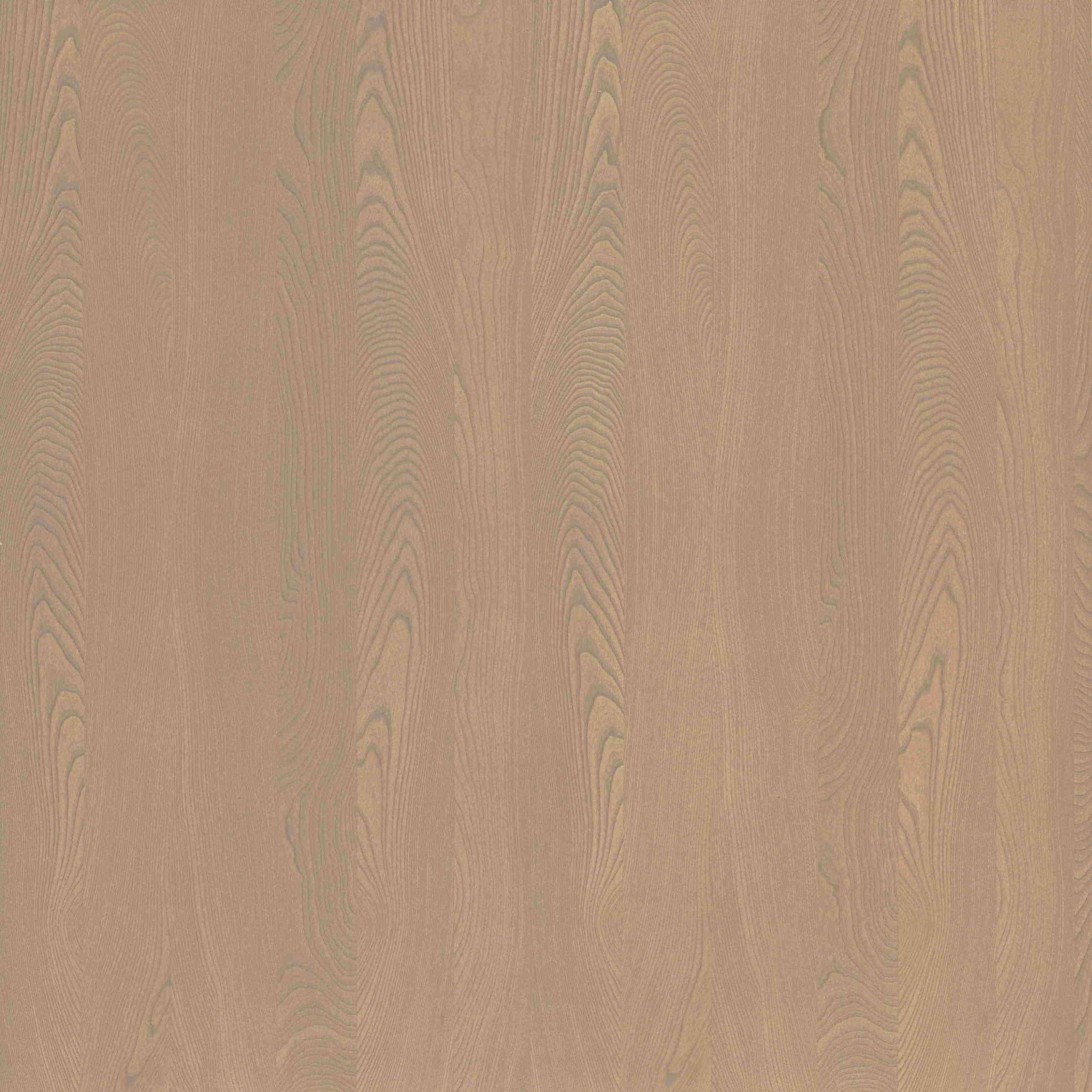
Interior architecture is shifting away from sterile environments. Designers now demand spaces grounded in warm, natural textures. But how do you balance rustic authenticity with structural stability? This presents a genuine engineering challenge. Elm veneer panels bridge the gap between historical craftsmanship and sleek modern geometry seamlessly.
In this technical guide, we examine the unique characteristics of elm wood. We will analyze how different surface treatments alter its visual impact and detail the most effective engineering methods to integrate this dynamic material into contemporary spaces.
Key Takeaways
Distinctive Grain Geometry: The wood features an interlocking pattern. This adds unparalleled visual depth and structural movement to flat interior spaces.
Finish Dictates Performance: Surface treatments range from raw matte to high-gloss. These coatings dramatically alter the final appearance and moisture resistance of the installation.
Versatile Application: This engineered material adapts easily. It serves effectively for custom cabinetry, large-scale statement walls, and bespoke furniture.
Superior Stability: Opting for engineered boards over solid timber provides critical structural stability against warping. It also ensures measurable cost-effectiveness and strict environmental compliance.
Industry Trends: The Shift Toward Tactile Surfaces
Recent market data reveals a sharp pivot in commercial and high-end residential design. Architects are abandoning hyper-uniform synthetic finishes. Instead, the industry leans heavily into biophilic design. This approach integrates organic elements to soften minimalist structures. Natural wood introduces tactile variance and acoustic dampening properties that synthetic alternatives simply cannot replicate.
However, raw timber often fails strict commercial stability codes. It expands, contracts, and splits. This reality drives the surging demand for highly engineered decorative wood panels. The resurgence of distinct, textured wood reflects a broader market requirement. Property owners want authenticity and tactile engagement, but contractors demand dimensional reliability.

Why Choose Elm Veneer Panels for Contemporary Design?
Evaluating a material for architectural use requires looking at its physical composition. Veneer consists of exceptionally thin slices of real wood. These slices typically range from 0.3mm to 1.2mm in thickness. Manufacturers permanently bond this layer to a structurally stable core material under high pressure. Common cores include Medium Density Fiberboard or high-grade cross-banded plywood. Consequently, this manufacturing method retains the authentic beauty of the timber while eliminating the mechanical flaws inherent to solid wood.
What Makes Elm Stand Out?
When specifying materials for a project, elm possesses specific botanical traits that distinguish it from common alternatives like white oak or black walnut. It features warm undertones that naturally range from light tan and pale yellow to a deeper reddish-brown. Furthermore, elm is renowned in woodworking for its legendary toughness and resistance to splitting.
Oak offers a very predictable, straight grain. Walnut provides a moody, dark aesthetic. In contrast, elm strikes a unique middle ground. Its dynamic texture provides a striking visual focal point without overwhelming the spatial balance of a room.
Decoding Elm Wood Grain: Texture and Visual Impact
The aesthetic success of any wood-based interior project relies heavily on understanding the natural patterns of the material. The grain directly influences how light interacts with the surface. It also dictates how the dimensions of a room are perceived by the human eye.
The Distinctive Interlocking Grain Pattern
Botanically, elm is famous for its interlocking grain. Craftsmen frequently refer to this as a partridge breast or zigzag pattern. Unlike straight-grained species, the fibers grow in varying directions across different growth rings. When sliced, this creates a dynamic, wavy texture. Walking past a sequence-matched wall, the surface almost seems to ripple and shift. The interlocking structure catches ambient light at multiple angles. For designers, this optical illusion of depth means the surface will subtly change its appearance depending on the time of day and the viewer vantage point.
Heartwood vs. Sapwood: Color Variations
The cross-section of a log reveals a distinct transition between the outer sapwood and the inner heartwood. The sapwood typically presents as a pale, grayish-white. Meanwhile, the heartwood yields a richer reddish-brown. When factories slice these logs to create natural elm panels, the color variations form a striking organic canvas. Engineers often utilize specific matching techniques like book-matching or slip-matching. This arranges the light and dark variations into continuous, symmetrical patterns across large installations.
How Grain Direction Alters Room Perception
The orientation of the veneer on its substrate is a critical design decision. It manipulates spatial perception directly. Orienting the wavy grain vertically draws the eye upward. This makes ceilings appear higher, which is a technique highly recommended for expansive architectural features. Conversely, running the grain horizontally visually widens a space. Installers frequently utilize this orientation in modern, streamlined kitchen cabinetry where a grounded, panoramic aesthetic is desired.
The Role of Finishes: Transforming Your Elm Surface
The raw timber is only half of the equation. The final protective layer dictates both the durability and the ultimate visual output of the material. The chemical composition and sheen level of the finish interact with the porous surface to dramatically alter its vibe.
Clear Coats and Matte Finishes for a Raw Look
For projects emphasizing a tactile, grounded experience, matte or ultra-matte clear coats are the standard. Water-based polyurethanes or hardwax oils with a low sheen level protect the wood from moisture without creating a reflective barrier. Specifically, these finishes allow the raw organic texture to remain perceptible to the touch. They preserve the authentic feel of the timber while maintaining an understated elegance.
Satin and High-Gloss Finishes for Commercial Elegance
In commercial environments where a premium aesthetic is required, satin or high-gloss finishes are highly preferred. A high-gloss lacquer fills the pores of the wood to create a smooth, glass-like surface. This highly reflective layer acts like a lens. It enhances the depth of the interlocking grain and makes the warm colors pop with high contrast. This treatment is ideal for luxury hotel lobbies or executive boardrooms where the objective is absolute sophistication.
Staining Elm: Altering the Natural Tone
Elm is a ring-porous wood with an open grain structure. Therefore, it absorbs stains exceptionally well. Applying a stain allows designers to alter the natural tone while retaining the physical texture. A whitewash stain can neutralize reddish undertones to create an airy look suitable for minimalist designs. In contrast, applying a dark espresso stain settles deeply into the grain. This highlights the zigzag contrast and delivers a moody atmosphere without losing the unique identity of the wood.
Top Applications for Elm Veneer in Modern Interiors
Translating material properties into functional design requires strategic application. The visual weight and texture of this species make it an exceptional candidate for several key installations.
Statement Wall Cladding
Large-scale interior surfaces benefit greatly from visual interest. Integrating elm as wall cladding panels transforms a standard drywall partition into a sophisticated architectural feature. Beyond aesthetics, when mounted over acoustic backing, these installations serve a dual purpose. They dampen sound reverberation effectively. This makes them an empirical choice for dedicated home theaters and commercial lobbies where both acoustic control and aesthetic warmth are required.
Custom Cabinetry and Kitchen Islands
Imagine a sunlit kitchen where flat-panel cabinetry catches the morning light. The wavy grain adds quiet drama against a stark white quartz countertop. In modern culinary spaces, the trend leans heavily toward slab doors. Solid wood is often too heavy and prone to warping for these large doors. This reality makes elm veneer plywood the superior engineering choice. The continuous flow of the grain across adjacent doors creates a high-end, bespoke appearance that elevates the entire room.
High-End Bespoke Furniture
Beyond architectural fixtures, custom furniture makers highly seek out this material. A specialized furniture veneer board is utilized to craft expansive dining tables, executive desks, and built-in wardrobes. The stability of the engineered core ensures that large horizontal surfaces remain perfectly flat over decades of daily use. Meanwhile, the top layer provides the tactile luxury expected of premium furnishings.
Engineering Selection Guide: Elm Veneer Plywood vs. Solid Elm
A common hesitation among buyers is the assumption that solid lumber is inherently superior. However, in the context of modern interior paneling, engineered products are objectively the more practical and durable choice. Let us look at the technical parameters.
Technical Specification | Solid Elm Timber | Engineered Elm Veneer Panels |
|---|---|---|
Dimensional Stability | Prone to warping, bowing, and splitting over time. | Exceptionally high. Cross-banded core prevents movement. |
Standard Dimensions | Variable. Strictly limited by the size of the harvested log. | Standardized 1220mm x 2440mm for seamless commercial scaling. |
Surface Thickness | Full block thickness. | Precision sliced from 0.3mm to 1.2mm options. |
Moisture Content | Fluctuates wildly with ambient humidity. | Strictly factory-controlled at 8% to 12%. |
Cost-Effectiveness | High material waste and intense labor costs. | Measurable project savings with maximum yield per log. |
Environmental Sustainability and Resource Efficiency
From an ecological standpoint, slicing a log into thin sheets leaves virtually no waste. It maximizes the coverage area exponentially. A single mature tree can provide enough material to panel an entire commercial office. Using solid planks would require harvesting significantly more trees to achieve the exact same square footage. Furthermore, premium panels utilize E0 grade formaldehyde-free adhesives. This ensures strict compliance with indoor air quality standards.
Design Synergy: Pairing Elm Panels with Other Materials
Elm does not exist in a vacuum. Its visual success depends on how it interacts with surrounding elements. Its versatile color palette allows it to anchor various design schemes seamlessly.
Industrial Modern: Elm and Matte Black Metal
The industrial modern aesthetic relies on the tension between utilitarian materials and inviting textures. The inherent warmth and wavy grain provide a striking contrast to cold, rigid materials like matte black steel or exposed iron. Framing a feature wall with dark metal trim creates a balanced environment that feels both structured and welcoming.
Biophilic Harmony: Stone and Indoor Greenery
For spaces designed to promote wellness, pairing wood with earth-derived materials is flawless. Combining these panels with honed marble or matte concrete floors establishes a calming foundation. When integrated with abundant indoor greenery, the reddish-brown undertones visually complement the vibrant foliage. This mimics the natural environment and reduces psychological stress.
Caring for and Maintaining Your Decorative Wood Panels
To ensure the longevity of your investment, proper maintenance based on material science is required. Routine care should be as non-abrasive as possible. Dusting with a dry microfiber cloth is usually sufficient. For occasional cleaning, a slightly damp cloth with a mild pH-neutral wood soap can remove smudges. It is imperative to avoid harsh chemical cleaners or abrasive sponges. These will permanently cloud the protective clear coat.
Furthermore, prolonged exposure to direct ultraviolet sunlight will cause the natural color to fade over time. Utilizing window films or automated blinds can protect the surfaces in heavily glazed rooms. Maintaining an indoor relative humidity between 40% and 60% also prevents microscopic expansion of the surface layer.
How to Source Premium Elm Veneer Panels for Your Project
Stop compromising between aesthetics and structural integrity. The final outcome of your architectural project is directly tied to the manufacturing quality of the materials specified. When evaluating suppliers, objective quality indicators must be prioritized. Inquire about sequence matching capabilities to ensure a continuous pattern across large installations. Verify the quality of the core material and ensure the use of eco-friendly adhesives.
Whether you are specifying materials for a luxury hotel lobby or designing a bespoke kitchen island, selecting the right engineered board dictates the success of your installation. Evaluate your project requirements, explore premium custom configurations, and find the exact match for your commercial or residential build at GC Panels.
FAQ
Are elm veneer panels suitable for high-moisture areas like bathrooms?
Yes, provided they are properly specified for the environment. The panels must be sealed with a high-quality, moisture-resistant polyurethane or marine-grade finish to prevent water vapor from penetrating the wood. The bathroom must also be properly ventilated with an exhaust fan. Direct and prolonged contact with standing water should always be avoided to prevent delamination.
What is the difference between natural elm panels and engineered elm veneer?
Natural veneer is sliced directly from a real harvested log. This means every panel features unique, unrepeatable grain patterns and natural color variations. Engineered veneer is manufactured by taking faster-growing wood species, dyeing them, and pressing them into blocks before slicing. Engineered options mimic the look but offer a highly uniform, repetitive pattern without the natural inconsistencies of real timber.
How do you match elm veneer panels across a large commercial space?
For large-scale commercial installations, engineers use a process called sequence matching or flitch matching. The factory keeps the veneer slices in the exact order they were cut from the log. When pressed onto the core boards and installed side-by-side, the grain pattern flows continuously across the entire wall, creating a seamless architectural feature.
What core material is best for elm veneer in high-traffic areas?
For high-traffic commercial areas or environments subject to impact, a high-density cross-banded birch plywood core is superior. It offers exceptional screw-holding capacity and impact resistance. For applications requiring perfectly flat, smooth faces like large cabinet doors, a premium moisture-resistant Medium Density Fiberboard core is often preferred for its absolute dimensional stability.
Can I refinish an elm furniture veneer board if it gets scratched?
The ability to refinish depends entirely on the thickness of the top wood layer. High-quality commercial grades are typically thick enough to withstand a light, careful sanding and the reapplication of a clear coat. However, aggressive sanding can burn through the thin layer and expose the core beneath. Deep gouges usually require professional repair using tinted wood fillers rather than a full sanding.
How does the cost of elm veneer plywood compare to oak or walnut?
In the timber market, elm is generally categorized as a mid-to-premium tier wood. It is often comparable in price to premium cuts of white oak but is typically more affordable than high-end black walnut or exotic species like teak. This pricing structure makes it an excellent value proposition. It allows designers to achieve a striking, highly customized visual appeal without exorbitant project costs.