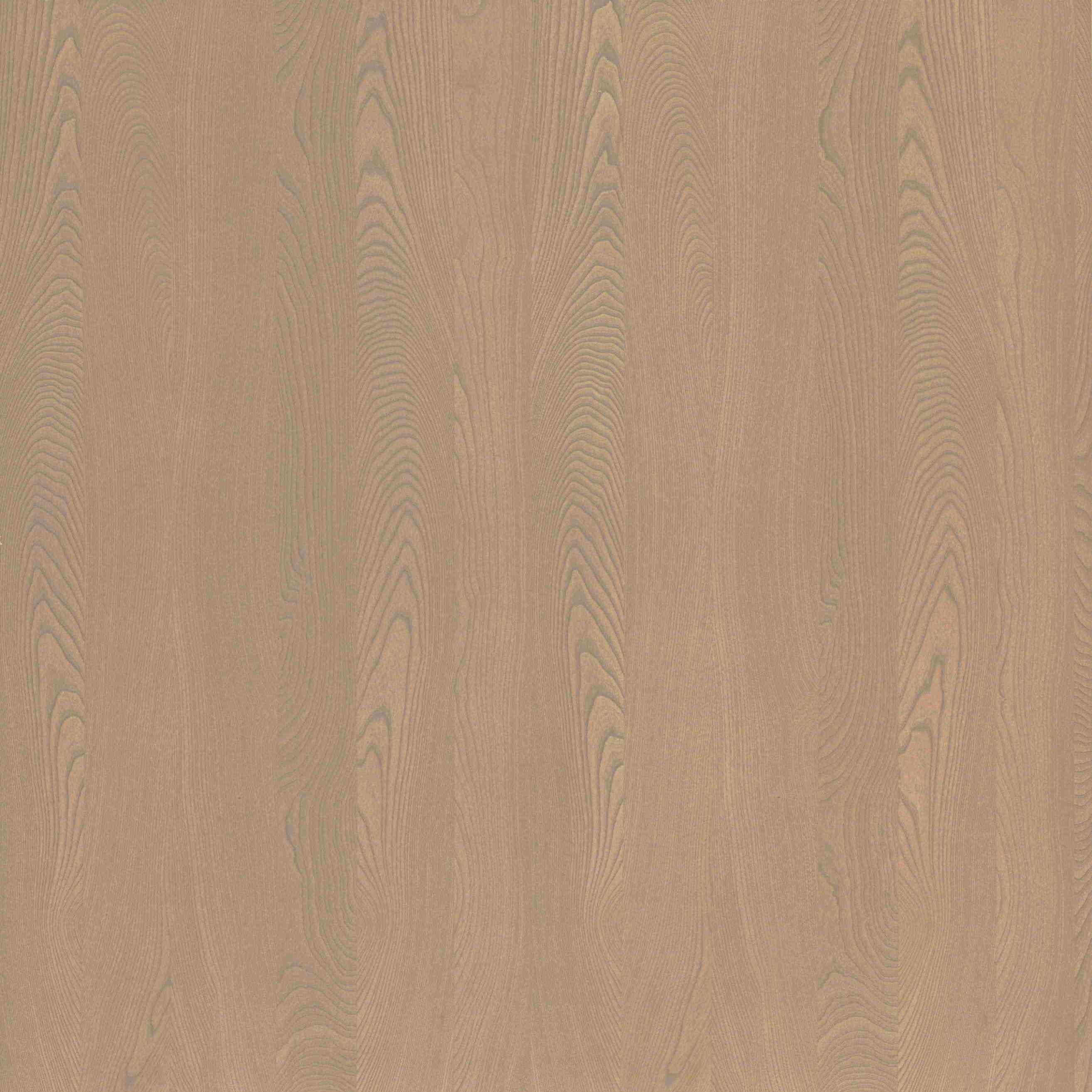
What Makes Wood Veneer Sheets So Popular?
Wood veneer sheets are the most opted option in residential as well as commercial design projects because they bring forth the beauty of real wood in an affordable, sustainable manner. We shall discuss some factors that have been driving wood veneer sheets to such immense popularity by comparing them with broader veneer types and learning about their differentiating factors that make them stand apart in today’s design world.
What is Wood Veneer?
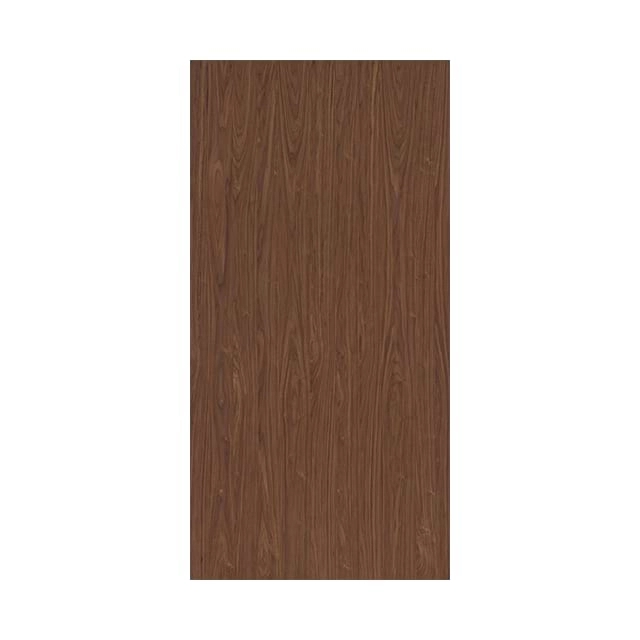
Wood veneer is defined as thin slices of wood having a general thickness of less than 1mm. The slices are obtained either by peeling or slicing the trunk of the tree and then they are glued on the surface of a composite material such as plywood or MDF (Medium-Density Fiberboard). This provides an opportunity to display the natural beauty of wood grain and texture while using much less wood than solid timber would require.
Wood veneer falls under the much broader phenomenon of veneer, since unlike the general category of veneer that may include plastic or metal-wood veneer refers specifically to natural wood. The primary aim of wood veneer is to expose the beautiful grains and patterns found within the wood while presenting an environmentally friendly and economically efficient method for production based on wood products.
Why Are Wood Veneer Sheets So Popular?
More than anything, this cost-effectiveness is the big reason why wood veneer sheets are so popular. Traditional solid wood proves to be very expensive, more so with rare or fine qualities of wood. By merely slicing the real thing thinly, beauty identical to solid wood is achievable at only a fraction of the price. This makes it a smart stand for both price-conscious consumers as well as businesses.
The beauty of the veneer is that it can be fine wood from a select tree or from many different trees, and because the slices are thin, they cover much more surface than the amount of wood they took to slice. This conserves resources and lowers the cost without sacrificing the aesthetics wanted as in solid wood construction.
1. Environmental Impact
Wood veneer proves to be a more environment-friendly material than its solid wood counterparts. Normally, which would be waste wood breathtaking lacquer furniture is reconstructed with waste wood veneer – in a quality that would have taken entire logs as fine lumber. These would have otherwise contributed to the already surging rate of deforestation across the world. Thus some carbon emissions related to deforestation activities are usually curtailed when relying on wood veneer, unlike solid wood pieces.
2. Looks Nice
Veneer leaves an aesthetic that cannot be matched from other sources of finishing. Each veneer leaf is nature-designed with unique patterns and textures that super fakes cannot copy. Generally, the most common wood species used in veneers include oak, walnut, cherry, and maple, among others, all having varied colors, grain patterns, and textures. Such is the beauty of veneer in wood; despite not having an outrageous appearance, it still makes better visual appeals than having exposed interiors in any form of building design.
3.Built to last and stays steady.
Being environmentally dependent warping and cracking solid wood neither, neither does veneer sheets are adhered to core material generally bonded in those to wick MDF or plywood, generally which is a stable core material, then MDF or plywood. thus, this reduces the chance for them to gain weight because of water, hence making them ideal for places where the temperature or humidity varies. The existence of core material enhances the general strength of the veneer thus long term use.
4. Flexibility in Design
One of the best things about wood veneer is its versatility in application. It does not only bind to mould and curve surfaces, but also flat ones. This makes it a great solution for kitchen cabinets, furniture, wall panels, and doors in all shapes. No matter if these are interiors of a house or commercial places, designers have all the reason to get artistic with such functional, light, and inexpensive material.
Wood veneer is much lighter than solid wood, making it much more manageable and easy to install. Whether these are projects for large scale commercial activity or even for small home renovation jobs, the panels’ lightweight features make them a far more viable option for both contractors and do-it-yourself enthusiasts. It’s this ease of installation that proves to be another major factor that works in its favor in applications for both residential and commercial settings.
Wood Veneer vs. General Veneer: A Comparison
| Feature | Wood Veneer | General Veneer |
|---|---|---|
| Material | Natural wood | Wood, plastic, metal, etc. |
| Primary Use | Furniture, door panels, wall coverings | Surface finishes, imitation wood |
| Grain Appearance | Shows natural wood grain | Can replicate wood patterns |
| Environmental Impact | High | Varies based on material |
| Cost | Moderate | Low to moderate |
Applications of Wood Veneer Sheets
From the table, we can see that wood veneer excels in natural appearance, environmental sustainability, and superior aesthetic appeal when compared to general veneer, which may involve synthetic materials and is less eco-friendly. Wood veneer is a more authentic and environmentally conscious choice for consumers looking to capture the true essence of wood.
Use veneer in fabrication of cabinet, table, chair, and other furniture. Achieve the look of expensive wood without having to use solid wood throughout the whole piece. Apply wood veneer to surfaces for walls, ceilings, and doors so that they take on a stylish overtone with added warmth inside. Use it on floors and panels.
Offices, hotels, and restaurants fall under the commercial spaces that mostly apply wood veneer sheets in beautifying their decors for an attractive welcoming professional environment. This is because wood veneer presents a quality visual appeal that injects a premium feel into the commercial space without any solid wood cost.
Conclusion
Wood veneer sheets very successfully balance the equation of cheapness, sustainability, and aesthetic look. They are able to bring out all the natural attractive features of wood in addition to offering varied applications and long life. This makes them the best selection for several design projects. Wood veneer is more sustainable, real, and classy compared to typical veneer. Be it furniture, be it the interior design, or the commercial spaces that use wood veneer always place it atop when quality and value are concerned.