


Introduction
Looking to add a touch of elegance to your woodworking projects without breaking the bank? Wood veneer boards are the perfect solution. They provide the beauty of solid wood at a fraction of the cost. Whether you're a seasoned professional or a DIY enthusiast, using wood veneer can turn ordinary pieces into impressive works of art. In this guide, we’ll walk you through the process of applying wood veneer boards, from preparation to finishing, ensuring a flawless, professional result.
Application of Wood Veneer Boards
What Are Wood Veneer Boards?
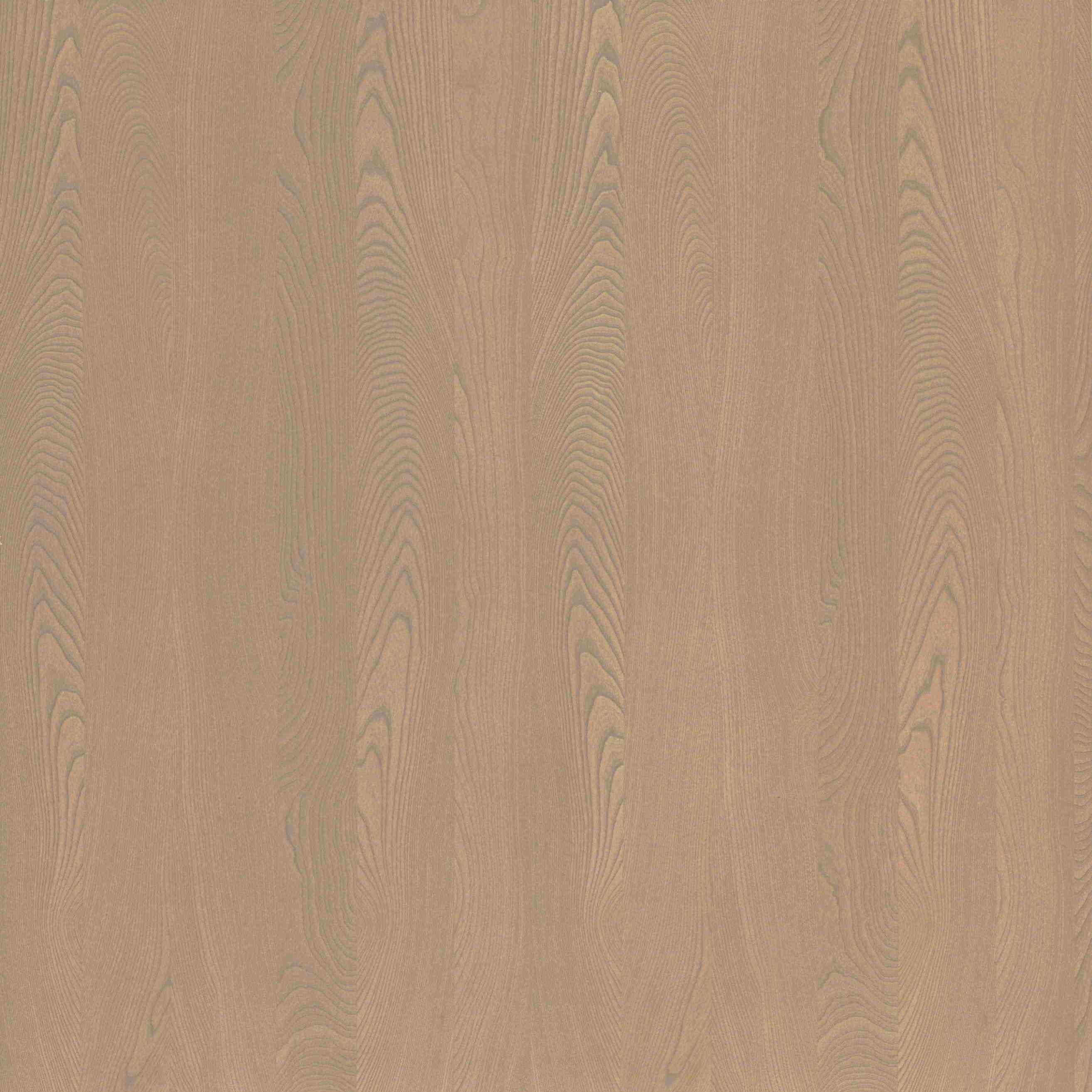
Wood veneer boards are thin layers of real wood that are sliced or peeled from logs and bonded to a substrate like MDF, plywood, or particleboard. These boards are typically much thinner than solid wood, providing an economical and efficient way to achieve a high-end look. Veneer boards come in various types, including those that are especially versatile for covering large areas or intricate details.
Types of Veneer Boards
| Description | Best Use |
|---|---|
| Paper-backed Veneer Board | A thin veneer with a paper backing for easier handling. Ideal for flat surfaces and easy application. |
| Phenolic-backed Veneer Board | A more durable veneer with phenolic backing offering moisture resistance. Best for high-moisture or heat-prone areas. |
Using veneer boards allows you to achieve the richness and beauty of natural wood without the expense of solid wood, making them a popular choice for furniture and cabinetry projects.
Benefits of Using Wood Veneer Boards
Cost-effective: Veneer boards provide the look of expensive hardwood at a fraction of the cost.
Sustainability: They are an environmentally friendly choice as they require fewer resources than solid wood.
Aesthetic appeal: Wood veneer boards replicate the appearance of rare wood species, which may be difficult to find or afford in solid form.
Lightweight and versatile: Thin wood veneer boards are easier to handle and can be applied to a wide range of surfaces, including flat panels, curved structures, and even small crafts.
Common Uses of Wood Veneer Boards
Wood veneer boards are highly adaptable and can be used in various applications, such as:
Furniture making: Veneers are commonly used on tables, chairs, and cabinets.
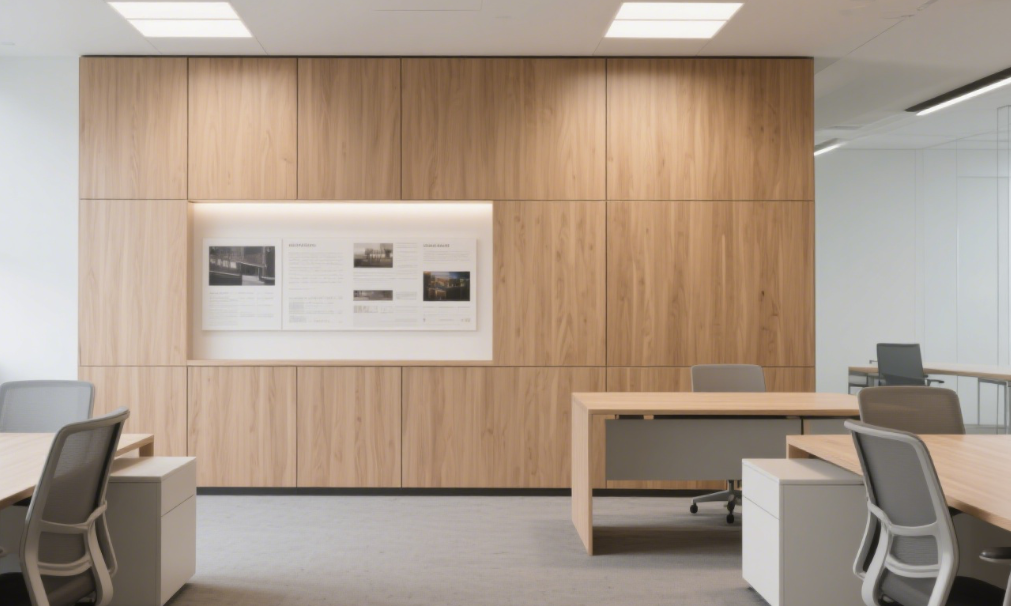
Wall paneling: They create an elegant, high-end look on walls.
Choosing the Right Adhesive for Veneer Boards
Choosing the right adhesive is crucial for a strong, long-lasting bond. Two common types of adhesives used for veneer boards are:
Contact Cement: Ideal for instant bonding, contact cement works well for flat surfaces. It requires a fast application as the bond forms as soon as the surfaces come into contact.
Water-based Glue: This type of adhesive provides a strong, long-lasting bond and is easier to work with for larger projects.
| Adhesive Type | Advantages | Best Use |
|---|---|---|
| Contact Cement | Fast setting, strong initial bond. | Quick projects, especially for smaller areas. |
| Water-based Glue | Longer working time, easier cleanup. | Larger projects or when more time is needed. |
Step-by-Step Guide on How to Apply Wood Veneer Boards
The installation of wood veneer boards requires precise attention to detail. Follow these steps to ensure a flawless and professional result:
Step 1 - Level Measurement
Begin by using a spirit level to measure and mark the wall or surface where the veneer boards will be applied. Ensure that the reference lines are accurate for the entire installation to guarantee straight and even application.
Step 2 - Cut the Veneer Boards
Once the surface is prepared, cut the veneer boards to the required size based on your measurements. Always cut slightly larger than needed to allow for trimming after installation for a precise and clean finish.
Step 3 - Apply Structural Adhesive
To bond the veneer boards to the surface, apply structural adhesive to the back of the veneer or directly onto the wall. Use a consistent pattern, such as dots, continuous beads, or a combed spread, to ensure even and adequate adhesive coverage.
Step 4 - Mount the Wall Panels Directly onto the Wall
After applying the adhesive, mount the veneer boards directly onto the wall. Carefully align each board and press it firmly onto the wall surface. Apply sufficient pressure to ensure proper adhesion and initial contact between the veneer and the wall.
Step 5 - Secure with Black Metal Trim
To further secure the edges and create a sleek, finished appearance, use black metal trim to secure the edges. The metal trim not only adds a decorative touch but also ensures the veneer boards stay firmly in place.
Step 6 - Fix with Gun Nails and Clips
For added stability, use gun nails and clips to fix the boards. This additional mechanical fastening method ensures the boards stay securely attached to the wall, particularly during the curing process.
Step 7 - Seamlessly Join the Wall Panels
Once the boards are in place, seamlessly join the wall panels. Ensure that the edges of each veneer board are aligned properly, and use pressure or specific techniques to minimize the visibility of seams. This will give the wall a continuous, smooth, and professional look.
Step 8 - Final Installation Complete
Finally, after the panels are securely attached and the seams are neatly joined, the installation is complete. Inspect the installation to ensure all boards are fixed properly, the seams are smooth, and the surface is clean from any adhesive residue.
Conclusion
Applying wood veneer boards is an excellent way to create high-quality finishes on furniture and other woodworking projects. By following the steps outlined in this guide—from measuring and cutting the veneer to applying the adhesive and finishing the surface—you can achieve professional-looking results with minimal cost. With practice and the right tools, working with wood veneer boards from manufacturers like Golden Chameleon will become an enjoyable and rewarding experience that allows you to enhance the beauty of your projects.
FAQ
Q: What are wood veneer boards?
A: Wood veneer boards are thin slices of real wood, typically used to cover furniture or other surfaces. They provide the aesthetic of solid wood at a fraction of the cost and are available in different thicknesses, making them suitable for various projects.
Q: How do I apply wood veneer boards?
A: To apply wood veneer boards, first measure and cut the veneer to fit your surface. Apply adhesive to the surface, carefully align the veneer, then clamp it in place. Use a veneer roller to smooth out air bubbles and wrinkles for a flawless finish.
Q: Can I use wood veneer boards for curved surfaces?
A: Yes, wood veneer boards are ideal for curved surfaces due to their flexibility. They conform easily to curves, allowing for seamless application on rounded or contoured shapes.
Q: Why should I use wood veneer boards instead of solid wood?
A: Wood veneer boards are cost-effective, lightweight, and environmentally friendly. They provide the same rich, natural wood finish as solid wood but at a significantly lower price, making them a popular choice for large or intricate projects.


