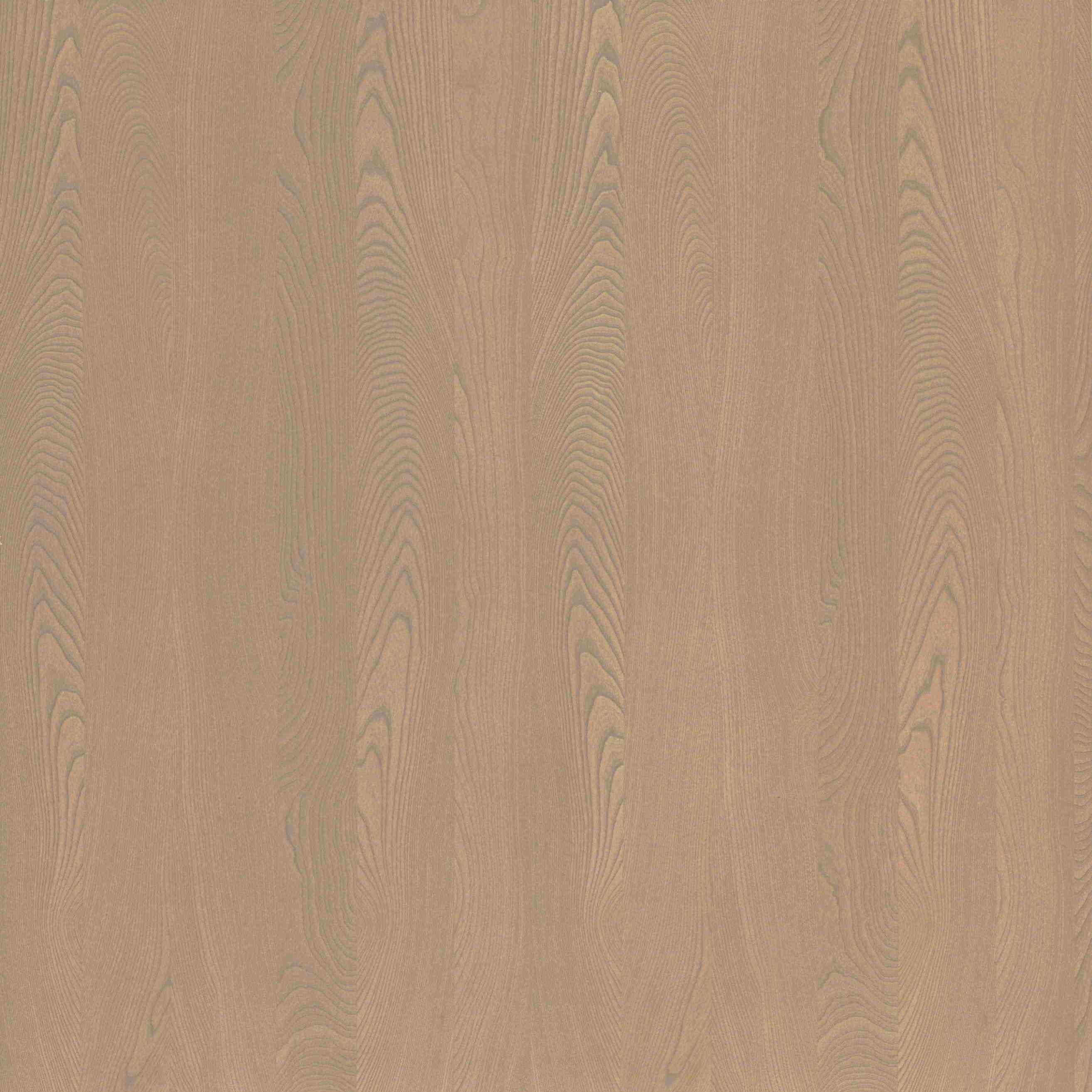
Modern digital printing gives us limitless design customization for interior spaces. We can print family photos, complex geometries, or perfect natural mimics directly onto surfaces. However, your chosen surface finish ultimately dictates the physical longevity, daily maintenance, and overall visual success of any installation.
Buyers often select finishes based purely on aesthetics. They skip evaluating crucial room lighting conditions, spatial functionality, and substrate compatibility. This oversight frequently leads to frustrating glare, premature surface wear, or surprisingly high daily maintenance burdens. Replacing degraded materials disrupts business operations and home life.
We built this guide to help you make smarter material choices. We provide a purely functional, evidence-based evaluation framework below. You will learn exactly how to match the perfect surface finish to your specific commercial or residential applications. You will avoid costly mistakes by following these professional guidelines closely.
Key Takeaways
Function over form: High-traffic and moisture-prone areas require non-porous, highly durable finishes, while textured finishes are best reserved for low-touch accent walls.
The lighting rule: High-gloss finishes amplify space but create severe glare under direct natural light; matte and suede finishes absorb light, ideal for focused environments.
Material specifications matter: Aesthetic finishes must be paired with the correct structural grade (e.g., High-Pressure Laminate [HPL] for horizontal use vs. Low-Pressure Laminate [LPL] for vertical applications).
Maintenance realities: Deep textures hide scratches but trap dust; gloss finishes wipe clean easily but highlight fingerprints.
1. Evaluating the Core Finish Categories for Digital Laminate Sheets
Before purchasing materials, you must understand how different surface treatments behave. Each finish category offers distinct optical and physical properties. We can categorize Digital Laminate Sheets into three primary finish types.
High-Gloss Finishes
High-gloss surfaces feature a mirror-like topcoat. This coating reflects incoming light waves directly back into the room. It makes compact spaces appear much larger and brighter.
Visual Effect: Gloss enhances the vibrancy of underlying inks. It deepens dark tones and makes bright colors pop. Digital prints look incredibly sharp and photorealistic under a high-gloss layer.
Drawbacks: Glossy surfaces act as fingerprint magnets. They are highly susceptible to showing micro-scratches from regular wiping. Smudges become highly visible under certain angles. High-touch zones require daily upkeep to maintain a pristine look.
Matte and Suede Finishes
Matte finishes utilize a micro-rough surface. This scatters incoming light rather than reflecting it directly. Suede finishes take this further by adding a soft, velvety tactile layer.
Visual Effect: These finishes deliver a muted, highly sophisticated look. Low light reflection ensures the digital print remains visible from any angle. Suede adds subtle tactile warmth. It transforms cold structural panels into inviting surfaces.
Advantages: Matte naturally conceals fingerprints. It hides minor scuffs beautifully. You will spend far less time on daily maintenance. These finishes suit busy environments perfectly.
Textured and Fluted (3D) Finishes
Advancements in pressing technology allow manufacturers to imprint 3D textures over digital designs. These textures interact dynamically with ambient room conditions.
Visual Effect: Textured layers mimic natural materials perfectly. A digital wood print combined with a synchronized wood grain texture fools the eye and hand. Fluted or ridged profiles add architectural depth to flat walls.
Implementation Reality: Deep grooves require specialized cleaning routines. Dust builds up easily inside tiny crevices. Standard wiping often pushes dirt deeper into the ridges. You should utilize deep textures primarily for vertical, low-contact applications like feature walls.

2. The Decision Matrix: Matching Finish to Room Functionality
A beautiful design fails if it cannot survive its intended environment. You must match the surface finish directly to the room's primary daily function.
Kitchens & Wet Zones (High Durability Needed)
Kitchens present harsh operational conditions. Surfaces face boiling water splashes, hot oil splatters, and heavy chemical cleaners.
Criteria: The material must withstand heat, constant moisture, and frequent abrasive wiping.
Recommendation: Choose high-gloss for backsplashes. Gloss allows easy wipe-downs of stubborn grease. Alternatively, select a smooth matte finish featuring specialized anti-fingerprint technology. Avoid deep textures entirely in kitchens. Grime accumulates quickly inside textured grooves, creating severe hygiene risks.
High-Traffic Corridors & Commercial Counters
Public hallways, hotel lobbies, and reception desks endure constant abuse. Bags scrape against walls. Keys drop onto countertops.
Criteria: Scuff resistance and impact durability remain paramount.
Recommendation: Deploy scuff-proof matte finishes. Medium-texture finishes also perform well by hiding daily wear. Crucially, horizontal counters require an HPL (High-Pressure Laminate) core. This dense core withstands heavy blunt impacts without denting.
Living Areas & Bedrooms (Atmosphere & Focus)
Residential living spaces prioritize comfort and relaxation. Harsh reflections cause visual fatigue over long periods.
Criteria: Glare reduction and tactile comfort drive the decision.
Recommendation: Install suede, pastel matte, or fluted finishes. These choices create softer acoustic profiles. They diffuse light beautifully, fostering a calm visual environment. Matte finishes help reduce eye strain for people reading or watching screens.
Room Functionality Comparison Chart
Room / Space | Primary Criteria | Recommended Finish | Finishes to Avoid |
|---|---|---|---|
Kitchen Backsplash | Moisture resistance, grease removal | High-Gloss, Smooth Anti-Fingerprint Matte | Deep Woodgrain, Fluted 3D |
Commercial Desks | Impact resistance, scuff hiding | Scuff-proof Matte, Medium Texture | Standard High-Gloss |
Bedrooms | Glare reduction, tactile warmth | Suede, Pastel Matte | High-Gloss |
Lobby Accent Walls | Architectural depth, visual impact | Fluted (3D), Deep Texture | Plain Smooth Matte |
3. The Lighting Test: How Illumination Impacts Finish Selection
Light fundamentally alters how we perceive digital prints. Ignoring your room's specific lighting profile ruins otherwise perfect design choices.
Direct Natural Sunlight
Rooms featuring large windows or skylights receive intense, direct ultraviolet light throughout the day.
Risk: Gloss finishes create harsh, blinding glare. This glare washes out the underlying digital print completely. Viewers see only a white reflection instead of the intended artwork.
Solution: Deploy matte or satin finishes in sun-drenched rooms. These surfaces diffuse incoming UV rays effectively. They maintain image clarity regardless of the sun's position.
Best Practice: Always request UV-resistant topcoats for rooms facing direct sunlight. Standard inks degrade quickly without chemical UV protection.
Controlled Artificial Lighting (Spotlights/LEDs)
Many commercial spaces rely entirely on controlled track lighting, recessed LEDs, or directional wall washers.
Opportunity: Textured finishes thrive under directional lighting setups. Angled light casts micro-shadows across the ridges. This highlights the 3D depth of the material beautifully. It makes flat walls look like expensive carved stone or milled timber.
Risk: You must watch out for the "oil-canning" effect. This happens when you apply high-gloss laminates over poorly leveled walls. Directional wash lighting exposes every tiny structural imperfection. The glossy surface looks warped, wavy, and cheap.
Common Mistake: Installing glossy panels before verifying wall flatness. Always mandate a Level 5 drywall finish before applying high-gloss architectural panels.
4. Technical Specifications: Evaluating What Lies Beneath the Finish
A beautiful surface fails quickly if the underlying structural specifications do not match your project requirements. You must evaluate the technical data rigorously.
Thickness & Bonding Impact
Laminate sheets come in various thicknesses. Buyers often choose thinner sheets to save upfront material budgets. This strategy carries high risks.
Evaluation: Manufacturers produce 0.8mm sheets for standard vertical decoration. These work fine for low-traffic cabinet doors. However, 1.0mm to 1.2mm sheets provide superior structural stability. They offer better color retention over time. Thicker sheets provide deeper adhesive grip during installation. High-end digital prints demand 1.2mm thickness to prevent warping and ensure long-term flatness.
Manufacturing Grades (HPL vs. LPL)
The manufacturing process dictates the core strength of your panels. You must understand the difference between High-Pressure Laminate (HPL) and Low-Pressure Laminate (LPL).
Shortlisting Logic: HPL undergoes extreme heat and massive hydraulic pressure during pressing. This creates a highly dense, impact-resistant core. Ensure your vendor utilizes HPL for all horizontal surfaces like desks and countertops. Conversely, LPL uses lower pressure during manufacturing. LPL is strictly suitable for vertical, low-impact applications like high shelving or internal cabinet boxes.
Post-Forming Capabilities
Modern interior design often features curved counters, rounded islands, and seamless edges.
Implementation Risk: Standard laminate sheets snap under bending pressure. If your project requires seamless, curved edges, you must verify post-forming certifications. Post-formable laminates handle heat-gun pliability without cracking. The digital image and the surface coat must both stretch safely. Confirm this capability in writing before ordering materials for curved casework.
5. Implementation Risks & Evaluation Pitfalls to Avoid
Even experienced buyers make structural errors during the final procurement phase. Avoid these specific evaluation pitfalls to ensure a successful installation.
Skipping the Physical Sample Phase: You cannot evaluate a finish relying solely on digital renders or PDF catalogs. Monitors display backlit colors. Physical laminates reflect ambient light.
Actionable Step: Always test physical 1:1 swatches in your actual installation environment. Pin them to the wall. Observe light behavior during morning, noon, and evening.Ignoring Health & Sustainability Metrics: Many buyers prioritize looks over indoor air quality. Cheap manufacturing processes often use formaldehyde-heavy glues. These emit toxic volatile organic compounds (VOCs) for years.
Actionable Step: Demand documentation for GREENGUARD Gold or FSC (Forest Stewardship Council) certifications. These ensure low VOC emissions. They are critical for enclosed, climate-controlled commercial spaces and family homes.Overlooking Edge Treatment: Standard laminate sheets leave an exposed, dark core line at every cut seam. Designers often forget this detail until installation day. The exposed brown line breaks the visual continuity of the digital print.
Actionable Step: Pre-plan your edge-banding strategy early. Source matching PVC or acrylic edge bands. Ensure the finish continuity wraps flawlessly around corners without breaking the aesthetic illusion.
Conclusion
Choosing the right surface requires careful analysis of your physical space. The ideal finish always represents a smart compromise between your aesthetic intent and actual maintenance realities. High-gloss options elevate brightness but demand frequent cleaning. Deep textures offer stunning realism but require careful dust management.
Buyers should strictly shortlist suppliers who provide transparent technical data sheets. Ensure they list exact thicknesses and distinct HPL/LPL grading. Exceptional vendors will offer 1:1 physical sampling. They will proudly carry relevant indoor safety and sustainability certifications.
Your immediate next step is securing physical materials. Request a sample pack of your preferred digital prints in both matte and gloss formats. Conduct a localized lighting observation and a basic scratch test in your own room before placing bulk commercial orders.
FAQ
Q: Does a high-gloss finish make the digital print fade faster?
A: No, fading is tied to UV resistance in the ink and protective topcoat, not the gloss level. Ensure the product has UV-resistant properties if exposed to direct sunlight.
Q: Can textured digital laminates be used for horizontal workspaces?
A: It is not recommended. Deep textures create uneven writing surfaces and trap dust or debris easily. Smooth matte or satin finishes are the industry standard for desks and counters.
Q: What is the cost difference between basic matte and specialized finishes?
A: While base matte and gloss are typically cost-equivalent, specialized finishes like anti-fingerprint, fluted, or suede tactile finishes carry a premium, often increasing the cost per square foot by 20% to 40%.
Q: How do you repair a scratch on a digital laminate finish?
A: Laminate is generally unrepairable once deeply scratched because the protective overlay and printed image are compromised. Prevention via scuff-proof finishes and proper maintenance is the only effective strategy.